Pakistan seeks World Bank financing for national AI programme and ML-1
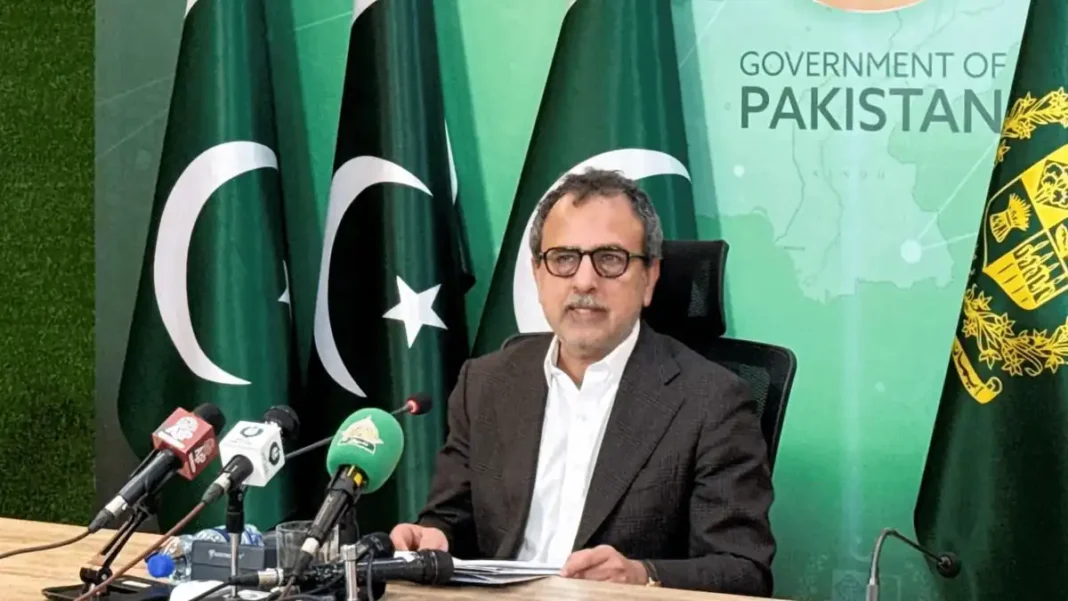
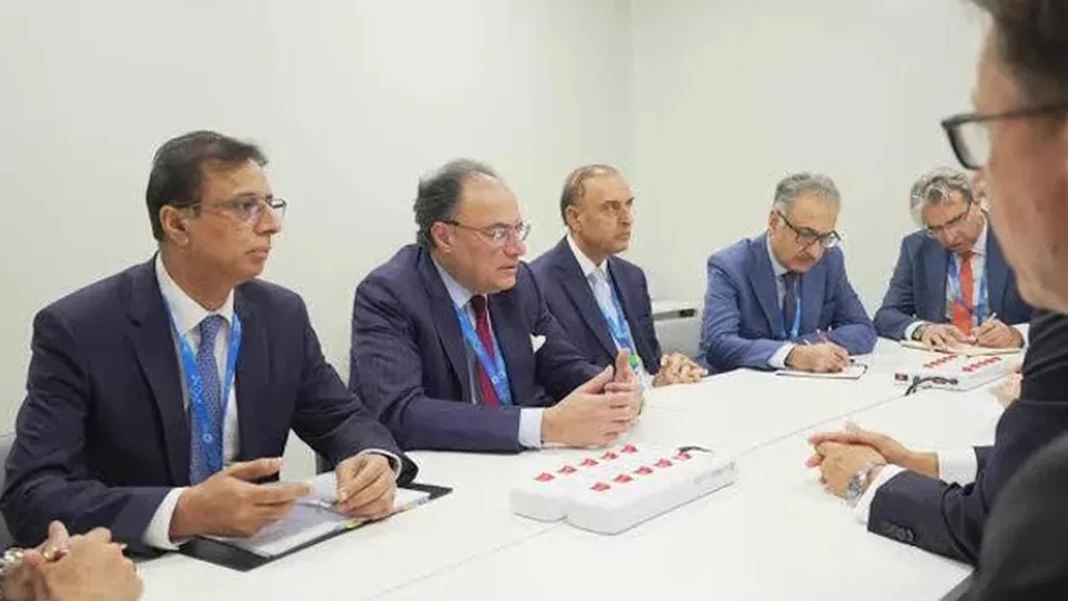
BANGKOK: Federal Minister for Economic Affairs and Pakistan’s Governor to the World Bank Group, Ahad Khan Cheema, sought continued World Bank financing for the ML-1 railway project and the National Artificial Intelligence and Economic Development Programme during a meeting with WBG President Ajay Banga. The World Bank AI programme funding request puts Pakistan’s digital ambitions at the centre of its pitch to the lender. The meeting took place on the sidelines of the 2026 WBG-IMF Annual Meetings in Bangkok, according to a statement issued on Friday.
Both sides discussed translating macroeconomic stabilisation into sustainable, investment-led growth, productive employment and improved livelihoods, building on Banga’s visit to Pakistan in February 2026.
What Pakistan asked for
Cheema underscored the importance of continued WBG financing for strategic initiatives, including the Main Line-1 (ML-1) railway project and the National Artificial Intelligence and Economic Development Programme, to improve connectivity, strengthen competitiveness and support sustainable, employment-generating growth.
He said Country Partnership Framework (CPF) implementation and policy reforms must align with large-scale, high-impact investments in digital transformation and AI, minerals and value addition, primary healthcare, skills development, agricultural value chains, energy and transport infrastructure.
He stressed that the partnership must deliver lasting outcomes with credible monitoring and tangible improvements for end beneficiaries.
Cheema acknowledged the WBG’s operational efficiency gains, including a reduction in average project preparation time from 19 months to nine months and record $112 billion in private capital mobilisation in FY2026.
He highlighted Pakistan’s whole-of-government reform effort, led by the Prime Minister’s Steering Committee on implementation reforms, to address systemic bottlenecks and expedite project execution. Both sides agreed to streamline processes further and accelerate delivery of development outcomes.
World Bank AI programme funding: why this meeting matters
The Bangkok meetings have been a busy stretch for Pakistan’s economic team. Cheema was formally announced as the incoming chairman of the IMF and World Bank Boards of Governors for 2027, the country’s first return to that leadership role since 1953. Finance Minister Muhammad Aurangzeb, meanwhile, sought a roadmap to a BB sovereign rating from Fitch on the same sidelines.
The AI programme push also fits a wider pattern. Sindh has signed an MoU with Huawei for an “AI-native digital province”, and the IMF’s own managing director has warned about AI-driven inequality, which we covered earlier this month. Islamabad now wants the World Bank’s money behind the national version of that bet.
The ML-1 railway, the country’s biggest planned rail upgrade, has been in the financing queue for years. Bundling it with the AI programme signals that Pakistan wants the Bank to treat connectivity, physical and digital, as one package.
Pakistan remains engaged with the IMF under a $7 billion Extended Fund Facility and a $1.4 billion Resilience and Sustainability Facility. Earlier this month, Pakistan and the Fund reached a staff-level agreement following the fourth review under the EFF and the third review under the RSF, qualifying the country to draw about $1.2 billion.
The original reporting on this development was published by ProPakistani and The Express Tribune.
FAQ
What did Pakistan ask the World Bank for?
Economic Affairs Minister Ahad Cheema sought continued WBG financing for the ML-1 railway project and the National Artificial Intelligence and Economic Development Programme during a meeting with WBG President Ajay Banga in Bangkok.
What is the Country Partnership Framework?
The CPF is the World Bank Group’s multi-year partnership strategy with Pakistan. Cheema said its implementation must align with large-scale investments in digital transformation, AI, minerals, healthcare, skills, agriculture, energy and transport.
How has the World Bank’s efficiency improved?
Cheema noted the average project preparation time has fallen from 19 months to nine months, and the Bank mobilised a record $112 billion in private capital in FY2026.