IMF chief warns of AI economic inequality as AI boom bypasses most nations
IMF chief warns of AI economic inequality as AI boom bypasses most nations
SINGAPORE: The IMF chief warned on Wednesday that the global AI boom is fast becoming a key driver of economic fortunes but risks leaving most countries behind, deepening AI economic inequality worldwide.
She said AI investment relative to GDP could eventually surpass what nations once spent on railways, power grids and telephone networks, but the gains sit with a handful of economies.
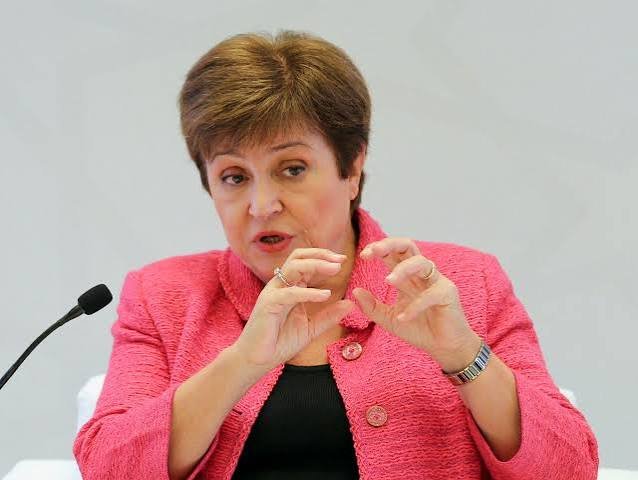
“Love it, hate it, or fear it, AI is here, rapidly becoming a key driver of countries’ relative fortunes in the world economy,” Georgieva said in a speech in Singapore ahead of the IMF and World Bank annual meetings in Bangkok next week.
“Yet as this drives forward today’s AI economies, it largely bypasses most others, increasing the risk of widening economic inequality across the globe,” she warned.
AI economic inequality: where the money is going
AI-related trade and investment are concentrated in the United States, China and India, where companies are pouring billions of dollars into data centres and supporting infrastructure. Other countries are picking up work in semiconductors, robotics and related technology, but most economies sit entirely outside the supply chain.
Georgieva said the benefits of AI would need to reach countries around the world if its full potential was to be realised. “Success requires everybody be taken along to harvest the transformative power of AI, which is why it will be so important to deliver AI access around the globe,” she said.
She called for greater international coordination, arguing cooperation was self-interest, not charity.
Debt and energy add to the strain
The IMF chief paired her AI warning with a blunt message on public finances. She criticised the lack of “decisive action” in heavily indebted advanced economies and called for “very tough policy choices” to repair their balance sheets.
“We don’t see decisive action in high-debt advanced economies where the need of the hour is for credible medium-term fiscal consolidation plans, supported in some cases by upfront fiscal measures,” she said.
Higher borrowing costs are inflating interest bills just as governments juggle tight budgets and competing demands, including defence spending. High energy prices add to the pressure: with the Middle East conflict dragging on, oil stays near $100 a barrel, squeezing refiners and pushing fuel costs higher for consumers. Rising interest rates are making short-term borrowing more expensive at the same time.
Markets riding the boom
Investor enthusiasm for AI has powered a long market rally. Chipmaker Nvidia hit a record high on Tuesday, taking its market value to almost $5.7 trillion.
Georgieva cautioned that the rally rests on earnings that may not materialise. “Should earnings fall short, however, hyperscaler leverage and large and growing global holdings of US equities could turn a disappointment into a far-reaching shock,” she said.
The IMF will release new forecasts at the Bangkok meetings. Its July outlook put 2026 growth at 3.0 per cent, rising to 3.4 per cent in 2027, on assumptions about the Strait of Hormuz reopening and $89 oil that now look shaky.
What happens next
All eyes turn to Bangkok, where finance ministers and central bank governors from 191 member countries will review the global economy next week. The new forecasts will show which economies the IMF expects to downgrade hardest, and whether the meetings produce concrete steps on AI access and debt relief will decide if the warning turns into action.
Frequently asked questions
What did the IMF chief warn about AI?
Georgieva warned the AI investment boom is concentrated in a few economies and risks widening inequality, leaving most countries behind unless access spreads globally.
Which countries are leading the AI boom?
The United States, China and India are attracting the bulk of AI investment, particularly in data centres, while others benefit mainly through semiconductors and robotics.
What did Georgieva say about government debt?
She criticised the lack of “decisive action” in heavily indebted advanced economies and called for “very tough policy choices”, including credible medium-term consolidation plans.
When are the IMF and World Bank meetings?
The annual meetings take place in Bangkok next week, where the IMF will release its latest global growth forecasts.