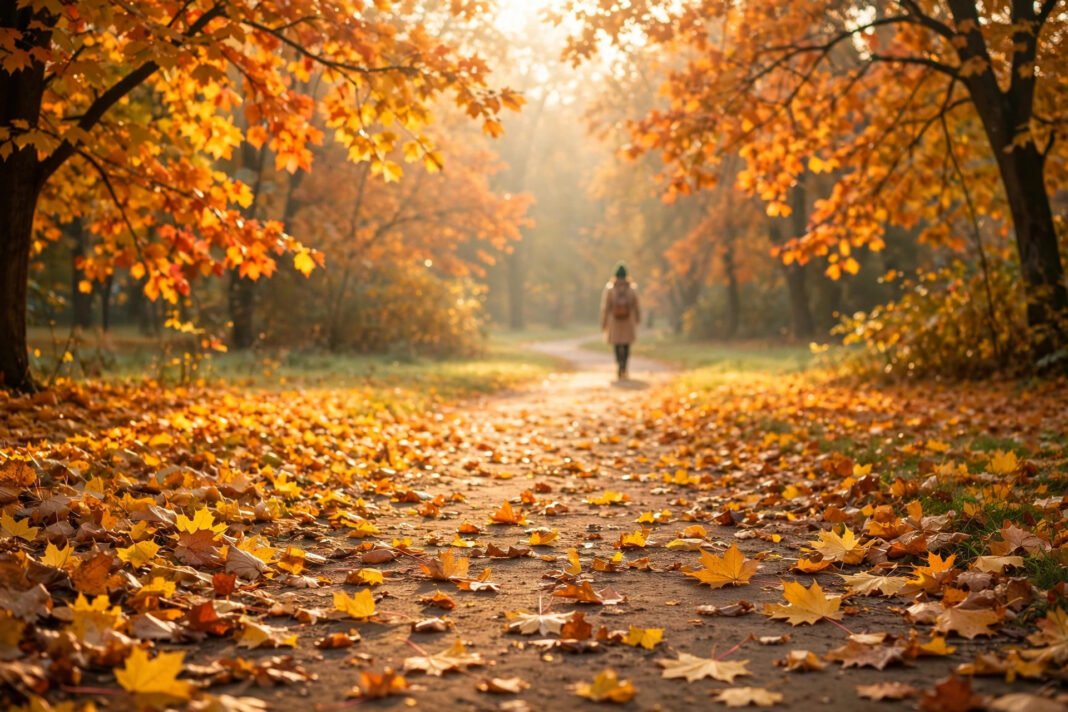
The air turns crisp, the leaves change color, and suddenly you can’t stop sneezing. Your nose is running, your eyes are itchy, and you’re reaching for tissues before you’ve even had your morning coffee. Is it the start of a cold — or are your fall allergies symptoms kicking in? For many people, autumn brings more than pumpkin spice and sweater weather. It brings weeks of sneezing, congestion, and watery eyes caused by pollen and mold that peak just as the season turns.
If every autumn leaves you sniffling while everyone around you enjoys the season, this guide is for you. We’ll walk through what fall allergies are, what actually triggers them, how to tell them apart from a cold or the flu, and what really works to get relief — from everyday medicines to long-term treatment options.
What Are Fall Allergies?
Fall allergies, also called autumn allergies, are allergic reactions triggered by substances that become common in the air during the autumn months. Like all allergies, they happen when your immune system mistakes something harmless — a grain of pollen, a mold spore — for a threat and overreacts.
When that happens, your body releases histamine and other chemicals that cause inflammation in the nose, eyes, and airways. That inflammation is what produces the familiar symptoms: sneezing, itching, congestion, and watery eyes. It’s not an infection, and it isn’t contagious.
Many people associate allergies with spring, when trees and flowers are blooming. But autumn has its own powerful set of triggers, and for some people, the fall season is worse. The triggers are different — mostly ragweed pollen and outdoor mold — but the misery can be just as real, and it often lasts longer because the season stretches from mid-August until the first hard frost.
The Three Main Autumn Triggers
Understanding what’s behind your symptoms is the first step to managing them. Autumn allergies are usually driven by one or more of three culprits.
Ragweed: The Biggest Autumn Offender
Ragweed is the main autumn allergen, responsible for more fall allergy trouble than anything else. This unassuming weed starts releasing its pollen in mid-August, peaks around September, and keeps going until the first hard frost of the season ends its cycle.
What makes ragweed so potent is its pollen itself. Ragweed pollen grains are very light, and a single plant can release enormous amounts of them. Because they’re so light, they travel for miles on the wind — which means you don’t need a ragweed plant in your garden to be affected by one. Even city dwellers who have never seen ragweed growing nearby can spend weeks breathing its pollen.
Ragweed grows widely across many regions, in fields, along roadsides, and in vacant lots. Its pollen is at its worst on warm, dry, windy days, when the grains are easily lifted and carried. Rain, by contrast, temporarily washes pollen out of the air and brings short-lived relief.
One more thing worth knowing: goldenrod is often blamed for fall allergies because it blooms at the same time as ragweed. But goldenrod’s heavier pollen is carried by insects, not the wind, so it rarely reaches the airways in amounts that cause symptoms — the real culprit is the ragweed blooming quietly nearby.
Mold: The Hidden Trigger in Fallen Leaves
The second major autumn trigger is mold. As leaves fall and begin to decay, they create the perfect damp environment for mold to grow. Piles of fallen leaves, damp gardens, compost heaps, and shady areas where moisture lingers are all rich sources of mold spores in autumn.
Mold spores, like pollen, float in the air and can be breathed in, triggering the same kind of allergic reaction — sneezing, congestion, itchy eyes, and coughing. Outdoor mold levels rise as autumn progresses and leaf decay accelerates, which is why some people’s symptoms get worse later in the season even after pollen counts start to drop.
Mold isn’t only an outdoor problem. Damp basements, bathrooms, and any indoor space with moisture can harbor mold year-round. In autumn, when people spend more time indoors and ventilation drops, mold exposure inside the home can quietly add to the burden on sensitive airways.
Dust Mites: The Indoor Seasonal Shift
The third trigger isn’t new in autumn — it’s just more present. Dust mites are tiny creatures that live in bedding, mattresses, upholstered furniture, and carpets. They’re around all year, but exposure tends to rise in autumn for a simple reason: the heating comes on and the windows close.
As the weather cools, people seal up their homes, turn on heating systems, and spend far more time indoors. Central heating can stir up settled dust when it first kicks on, and closed windows mean less fresh air circulating through the house. The result is a steady increase in dust-mite exposure exactly when ragweed and mold are already irritating the airways — a combination that can make autumn feel like the worst allergy season of the year.
Fall Allergies Symptoms: What They Feel Like
The classic fall allergies symptoms look a lot like the symptoms of spring allergies, because the immune reaction is the same — only the trigger is different. Common symptoms include:
- Sneezing, often in fits of several sneezes in a row
- Runny nose with thin, clear mucus
- Stuffy, congested nose that makes breathing through the nose difficult
- Itchy or watery eyes, sometimes with redness
- Itchy throat, and sometimes itchy ears or an itchy roof of the mouth
- Postnasal drip — mucus trickling down the back of the throat, which can cause throat irritation or a mild cough
- Coughing, especially at night or first thing in the morning
- Fatigue, largely because congestion and coughing disrupt sleep
In people with asthma, fall pollen can also worsen breathing symptoms, leading to wheezing, chest tightness, or shortness of breath. If you have asthma and notice it flaring each autumn, your allergies and your asthma are likely connected, and it’s worth discussing with your doctor.
There’s one more unusual symptom some people experience. Those with a ragweed allergy can develop what’s called oral allergy syndrome: an itchy mouth or throat after eating certain raw foods. For ragweed allergy, the foods most often involved are raw banana, cucumber, melon, and zucchini. The reaction happens because the proteins in these foods resemble ragweed pollen proteins closely enough to confuse the immune system. Cooking the food usually breaks down the proteins and prevents the reaction, and the itching typically fades on its own — but it’s a sign worth mentioning to your doctor.
Fall Allergies vs Cold vs Flu: How to Tell Them Apart
The hardest part of autumn sniffles is figuring out what they actually are. Allergies, colds, and the flu can all start with sneezing and a runny nose, but they are very different conditions — and telling them apart matters, because they need different treatment.
Allergies tend to bring itchy eyes and an itchy throat, which are uncommon with colds. There’s no fever. The mucus is usually thin and clear. And the biggest clue: symptoms linger for weeks, following the pattern of the season rather than getting better in a few days. If your sneezing starts every September and lasts until the frost, that’s allergies talking, not a virus.
Colds are caused by viruses. They tend to bring a sore throat, body aches, and sometimes a low fever. The nasal discharge often thickens and changes color after a few days. Most importantly, colds resolve on their own within days — typically a week or so — rather than dragging on for weeks.
The flu is more severe and comes on suddenly, with high fever, strong body aches, chills, and significant fatigue. It rarely causes the itchy eyes and itchy throat that mark allergies.
A simple rule of thumb: itching and no fever that lasts for weeks points toward allergies; sore throat, aches, or fever that clears within days points toward a cold. If you’re unsure — especially if there’s a fever involved — it’s worth checking with a doctor or pharmacist rather than guessing.
How Doctors Diagnose Fall Allergies
If your autumn symptoms return year after year, getting a proper diagnosis is worth it. A doctor starts with a symptom history: when your symptoms appear, how long they last, what they feel like, and whether anything seems to make them better or worse. That conversation alone is often enough to identify seasonal allergies with confidence.
When confirmation is needed, two tests are commonly used. A skin-prick test involves placing tiny amounts of suspected allergens — like ragweed pollen or mold — on the skin, usually the forearm or back, and watching for a small raised reaction. It’s quick and gives results within minutes. The alternative is a blood test that measures allergy antibodies (IgE) in your blood.
Both tests are widely available and straightforward. Knowing exactly what you’re allergic to is useful not just for peace of mind — it helps your doctor choose the most effective treatment and decide whether longer-term options like immunotherapy are worth considering.
Treatment Options That Actually Work
There’s no instant cure for allergies, but there’s a well-established ladder of treatments that genuinely help. Most people find good relief with the first level, and work upward only if needed.
Everyday Medicines
Nasal corticosteroid sprays, such as fluticasone, are widely considered the most effective single treatment for allergic nasal symptoms. They reduce inflammation directly in the nasal passages. They work best when used daily and consistently — they’re a preventive habit, not a quick fix, and they typically reach full effect after several days of regular use.
Second-generation oral antihistamines, such as cetirizine or loratadine, block histamine and relieve sneezing, itching, and runny nose. The newer generation is preferred because it generally doesn’t cause the drowsiness associated with older antihistamines. They’re available over the counter in most places and can be used daily through the allergy season.
For itchy, watery eyes, allergy eye drops — either antihistamine or anti-inflammatory drops — can bring direct relief. Oral antihistamines help the eyes too, but drops target the problem at its source.
As always, follow the instructions on the packaging, and talk to a pharmacist or doctor if you’re taking other medications, are pregnant, or are giving allergy medicine to a child.
Nasal Care and Saline Rinses
Medicines work better when the nasal passages are clear. A saline nasal rinse — using a neti pot, squeeze bottle, or pre-mixed saline spray — flushes pollen, mold spores, and mucus out of the nose. It’s simple, drug-free, and surprisingly effective at easing congestion and reducing the amount of allergen sitting in your nasal passages.
The key safety point: always use sterile, distilled, or previously boiled and cooled water for rinsing — never straight tap water — and clean the device after each use according to its instructions. Used correctly, saline rinsing is a safe daily habit through the allergy season.
Long-Term Relief: Immunotherapy
For people whose symptoms persist despite medicines, or who would rather not take medication every autumn for the rest of their lives, there’s a longer-term option: allergen immunotherapy.
This comes in two main forms. Allergy shots are regular injections given over several years that gradually train the immune system to stop overreacting to the allergen. Sublingual allergy tablets — tablets dissolved under the tongue daily — work on the same principle and can be taken at home. Both are decided together with a doctor, after proper allergy testing confirms what you’re sensitive to.
Immunotherapy is a commitment — it takes months to start working and years to complete — but it’s the only treatment that can change the underlying allergic response rather than just masking symptoms. For people with severe ragweed allergy, it can genuinely transform their autumns.
Your Daily Prevention Plan for Autumn
Treatment matters, but prevention reduces how much treatment you need. A few consistent habits through the autumn months can meaningfully cut your exposure:
- Check local pollen counts. Many weather apps and websites publish daily pollen forecasts. On high-pollen days, plan accordingly.
- Keep windows closed on high-pollen days — at home and in the car — and use air conditioning if you have it.
- Shower and change clothes after spending time outdoors. Pollen clings to hair, skin, and fabric.
- Don’t wear outdoor clothes to bed. Change into clean sleepwear so you’re not lying in pollen all night.
- Time your outdoor hours. Pollen counts are highest in the morning, so save longer outdoor activities — walks, gardening, exercise — for later in the day when counts typically fall.
- Consider a HEPA air purifier for the bedroom. It won’t eliminate allergies, but it can reduce the indoor pollen and dust load while you sleep.
- Rake smartly. If you’re sensitive to mold, wear a mask when raking leaves or working with compost, and don’t let leaf piles sit and rot in the garden.
- Wash bedding regularly in hot water to keep dust-mite numbers down as you spend more time indoors.
None of these steps is dramatic on its own. Together, they lower your total allergen exposure day after day — and that can be the difference between a manageable season and a miserable one.
When to See a Doctor
Most fall allergies can be managed with over-the-counter medicines and the prevention habits above. But there are times when professional help is the right call:
- Your symptoms don’t improve with over-the-counter treatments after a couple of weeks
- Allergies are disrupting your sleep, work, or daily life
- You develop wheezing, chest tightness, or shortness of breath — especially if you have asthma
- You get frequent sinus infections, ear infections, or headaches alongside your allergy symptoms
- You experience mouth or throat itching after eating raw fruits or vegetables (possible oral allergy syndrome)
- You want to discuss whether immunotherapy is right for you
- You’re unsure whether your symptoms are allergies, a lingering cold, or something else
A doctor can confirm the diagnosis, adjust your treatment, check whether your asthma action plan needs updating for the season, and refer you to an allergy specialist if needed.
The Bottom Line
Fall allergies are real, common, and — for many people — more disruptive than spring allergies. Ragweed pollen drifting for miles on the autumn wind, mold rising from decaying leaves, and dust mites thriving in sealed-up homes combine to make autumn a triple threat for sensitive airways. But the condition is well understood, the treatments are proven, and the prevention habits are simple. Identify your triggers, build a daily routine around them, use the right medicines consistently, and talk to a doctor if the season is still getting the better of you. Autumn is too beautiful a season to spend sneezing through it.
This article is for general information only and is not medical advice. Allergies and their treatments vary from person to person, so talk to a qualified health professional about your symptoms and before starting any new medicine or treatment.