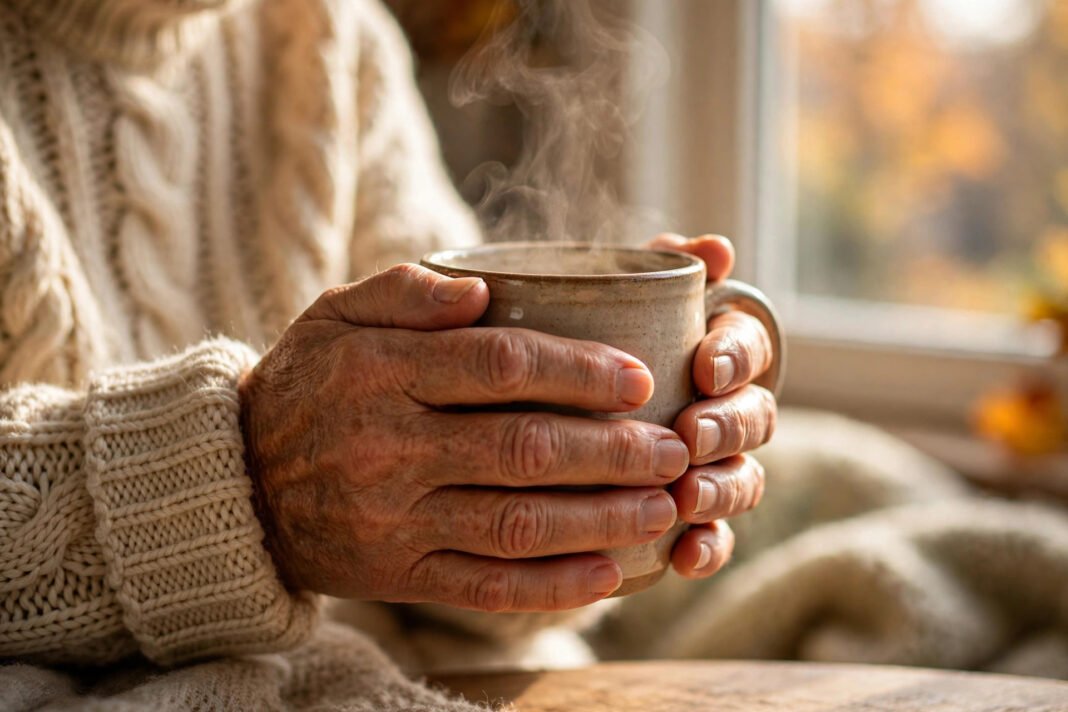
Autumn arrives with golden light, cooler evenings, and that first crisp breath of air that makes a jacket feel like a treat. It also arrives with something far less welcome: the season of sniffles, sore throats, and the flu making its annual rounds. If it feels like everyone around you starts coughing within weeks of the leaves turning, you are not imagining it. Autumn is genuinely prime time for respiratory illness — but it does not have to knock you flat.
The good news is that prevention is mostly about a few simple habits that genuinely make a difference. There is no miracle cure, and nobody is immune forever, but the basics that public-health agencies recommend still work better than anything else. This guide walks through each of them, so you can face the season with confidence instead of dread.
Why autumn is prime time for colds and flu
Respiratory viruses do not suddenly appear in autumn out of nowhere. The viruses that cause the common cold — mainly rhinoviruses — circulate year-round, and influenza viruses have their own seasonal patterns. But autumn creates the perfect conditions for all of them to spread at once. Several factors come together in this season.
First, schools reopen. Classrooms full of children who share everything — desks, water bottles, snacks, coughs — are one of the most efficient transmission engines for respiratory viruses. A child catches a cold at school, brings it home, and within days the whole family is sniffling. Even if you have no children, this ripple effect touches offices, buses, and every shared space around you.
Second, social mixing increases. After the more spread-out days of summer, autumn pulls people back into offices, lectures, gatherings, and indoor events. More contacts mean more chances for a virus to jump from person to person.
Third, we move indoors. As the weather cools, life shifts into enclosed, often poorly ventilated spaces — classrooms, offices, trains, living rooms with the windows shut. Respiratory viruses spread far more easily in crowded indoor air than in the open outdoors.
Fourth, the air itself changes. Cooler, drier air — and, once the heating goes on, warm but very dry indoor air — helps respiratory viruses linger in the air and on surfaces. Dry air also dries out the mucous membranes in your nose and throat, which are your first line of defense against inhaled viruses.
And finally, it is not just one virus. In autumn and winter, several circulate at once: influenza, common-cold rhinoviruses, RSV (respiratory syncytial virus), and at times COVID-19. That is why the season can feel like one illness after another — sometimes it really is several different viruses taking their turns.
None of this means getting sick is inevitable. It means the odds are higher, so your prevention habits need to be better. Here is the plan.
1. Get your flu shot in autumn
The single most effective flu-specific step you can take is annual influenza vaccination, taken in autumn before the season peaks. Public-health agencies recommend yearly flu vaccination for most people, because the protection from one year’s vaccine fades over time and the vaccine is updated to match the strains expected to circulate.
Timing matters. Getting vaccinated in autumn means your body has time to build protection before the worst of the season arrives. The flu shot will not protect you against the common cold or other respiratory viruses, but influenza is one of the most severe seasonal illnesses — it can cause high fever, body aches that last for days, and complications, especially for older adults, young children, pregnant women, and people with chronic health conditions.
Ask your doctor or pharmacist about local availability and timing, and whether the vaccine is recommended for you and your family. If you are in a high-risk group — or live with someone who is — vaccination protects them through you as well.
2. Wash your hands like it actually matters
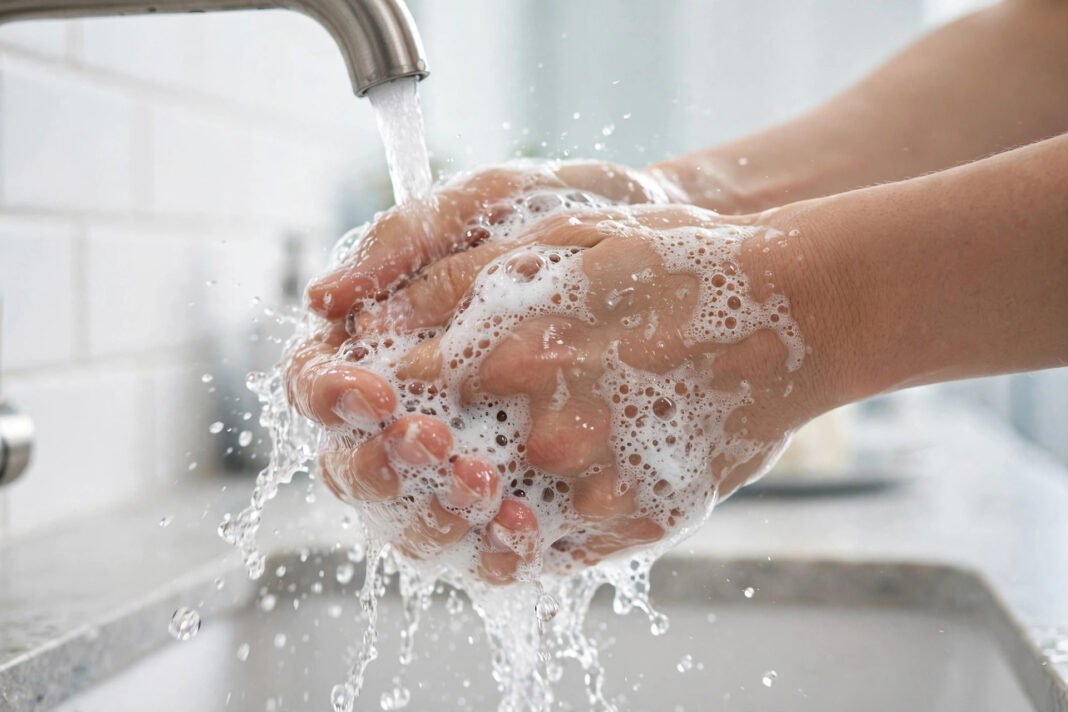
Hand hygiene sounds so basic that it is easy to dismiss — but it remains one of the most reliable defenses against both colds and flu. These viruses often reach your nose, eyes, or mouth through your hands. You touch a contaminated doorknob, a shared pen, a phone screen, then you rub your nose, and the virus has found its entrance.
Do it right:
- Wash with soap and water for at least 20 seconds — about as long as it takes to hum “Happy Birthday” twice. Pay attention to fingertips, thumbs, and the backs of your hands, which are easy to miss.
- Use hand sanitizer when soap is not available — a sanitizer with enough alcohol content is a good fallback for the commute, the shopping trip, or anywhere without a sink nearby.
- Avoid touching your face with unwashed hands, especially your eyes, nose, and mouth.
- Cover coughs and sneezes — into your elbow or a tissue, then wash your hands. A tissue goes straight in the bin; your hands get washed right after.
- Stay home when you are ill. This is not just courtesy; it is how transmission chains break. Keep your distance from others while you have symptoms.
- Disinfect high-touch surfaces regularly — doorknobs, phone screens, light switches, remote controls, and counters. These are the surfaces your whole household touches every day.
None of this is glamorous, but respiratory viruses spread through ordinary, everyday contact, and ordinary, everyday hand hygiene is what interrupts them.
3. Let fresh air in — and mind the humidity
When we spend autumn and winter sealed inside with the windows shut, the air we share gets recycled again and again — along with whatever viruses it is carrying. Ventilation is a quiet but powerful layer of protection.
Air out your rooms regularly. Even in cold weather, opening windows for a few minutes several times a day exchanges stale indoor air for fresh outdoor air and dilutes anything floating in it. In offices and classrooms, this matters even more, since so many people share the same air.
Humidity deserves attention too. Very dry heated air is less friendly to you and more friendly to viruses than moderately humid air. Indoor humidity around 40–60% is generally considered comfortable and is less hospitable to virus survival than very dry air. It also keeps your nasal passages from drying out, which helps your natural defenses do their job. If your home gets extremely dry in the cold months, a humidifier can help — just avoid overdoing it, since too much humidity brings its own problems, like mold.
4. Sleep like it matters — because it does
Sleep is one of the most underrated pillars of immunity. When you sleep, your body produces and releases signaling proteins that help your immune system respond to infection. Cutting sleep short is not just a matter of feeling groggy — it measurably weakens your defenses.
There is well-known research behind this. A study by Prather and colleagues, published in the journal Sleep in 2015, found that people who slept six hours or less a night were more than four times as likely to develop a cold after being exposed to the virus than those who slept more than seven hours. That is a striking difference for something as simple as sleep.
Aim for 7–9 hours a night. Easier said than done, of course, but autumn is a good time to recommit to it:
- Keep a consistent sleep schedule — the same bedtime and wake time, even on weekends.
- Wind down before bed: dim the lights, put the screens away, and give your mind a chance to slow down.
- Keep your bedroom cool, dark, and quiet.
- Avoid heavy meals, caffeine late in the day, and alcohol close to bedtime — all of these fragment sleep.
If a cold is circulating through your home, the single best thing you can do for your immune system is to go to bed on time. No supplement compensates for chronic short sleep.
5. Move every day
Regular moderate activity supports immune defenses. You do not need intense training — in fact, grueling workouts followed by exhaustion can temporarily run your defenses down. What helps is consistent, moderate movement: brisk walking, cycling, swimming, dancing, gardening, anything that gets your heart rate up and leaves you feeling better afterward.
Around 150 minutes of moderate activity a week is a good general target, plus daily movement worked into ordinary life: take the stairs, walk part of the commute, stretch between meetings. Outdoor walks have a double benefit in autumn — movement plus fresh air and whatever daylight is still available.
The key word is regular. One exhausting weekend workout does not protect you; a daily brisk walk for weeks does. Find something you will actually keep doing once the weather turns grey, because autumn is when motivation fades fastest.
6. Eat and hydrate for immunity
Your immune system runs on nutrients, and the foundation is a balanced diet — plenty of fruit, vegetables, and whole grains, with enough protein to keep your body repaired and defended. Colorful produce brings a wide range of vitamins, minerals, and plant compounds your immune cells rely on. None of this is exotic advice; it is the ordinary balanced eating that health authorities recommend year-round, and it matters more when viruses are everywhere.
Stay hydrated, too. Your mucous membranes — that first-line barrier in your nose and throat — work better when you are well hydrated. Water is the main event; herbal teas and soups count too, and a bowl of warm soup is both hydration and comfort when a household cold is going around. Limit sugary drinks and heavy alcohol, which do your defenses no favors.
It is worth being honest about what food can and cannot do. No single fruit, spice, or “immune-boosting” product will prevent a cold or flu on its own, despite the claims you will see every autumn. The benefit comes from the pattern — consistently eating well over weeks — not from one heroic dose of anything.
7. The honest truth about vitamin D
Vitamin D deserves its own section because it is one of the most hyped — and most misunderstood — autumn health topics. As the days shorten and sunlight weakens, many people in northern regions do not get enough sun exposure to maintain vitamin D levels, and deficiency is common in the darker months.
Where sunlight is limited, health authorities such as the NHS in the UK advise considering a daily vitamin D supplement during autumn and winter. That advice is sensible general guidance for bone health and overall wellbeing.
But here is the honest part: the evidence that vitamin D supplements prevent respiratory infections is mixed. Some studies suggest a benefit, others find little or none. What vitamin D is not, under any reading of the evidence, is a substitute for vaccination and hygiene. If you are considering a supplement, think of it as general winter support — not as your shield against the flu. And as with any supplement, it is worth mentioning to your doctor or pharmacist, especially if you take other medications or have a health condition.
8. Masks and crowds: use them wisely
Masks fell out of everyday habit for many people, but they remain a practical tool in specific situations. In crowded indoor settings during peak season — a packed train, a busy clinic waiting room, a full lecture hall — a well-fitted mask reduces transmission risk. It is most valuable when illness levels are high around you, or when you are visiting someone vulnerable, such as an elderly relative or a newborn.
You do not need to wear one everywhere all season. Think of masks the way you think of an umbrella: keep one handy, use it when the conditions call for it.
9. Protect the kids
Children are often the household’s front line of infection — they catch colds at school and distribute them generously. A few targeted habits make a real difference:
- Teach thorough handwashing — make it a routine: after school, before meals, after the bathroom. Turn it into a game for younger children rather than a lecture.
- Do not share water bottles, cups, or utensils. Label bottles for school so there is no confusion.
- Teach them to cough and sneeze into their elbow, not their hands — and not into the air.
- Keep sick children home from school. It protects their classmates, and a child who rests recovers faster. Send them back when they are genuinely better, not just slightly improved.
- Keep their sleep and nutrition steady — overtired, underfed children catch everything going around. Regular bedtimes and proper breakfasts are immunity habits too.
- Ask your pediatrician about flu vaccination for your children and about the timing of any other recommended vaccines.
Children will still catch colds — that is normal, and each one builds their immune memory. The goal is fewer of them, and less spread to the rest of the family.
When to seek care
Most colds are miserable but harmless, and most flu cases resolve with rest, fluids, and time. But some symptoms are warning signs that need prompt medical attention. Seek care promptly for any of the following:
- Difficulty breathing or rapid, labored breathing
- Persistent high fever that does not come down
- Extreme lethargy or difficulty waking up
- Refusal to eat or drink, or signs of dehydration
- Chest pain or pressure
- Symptoms that improve and then clearly worsen — this can signal a secondary infection such as pneumonia or a sinus infection
Infants, older adults, pregnant women, and people with chronic conditions such as asthma, diabetes, or heart disease should have a lower threshold for calling their doctor. If you are ever unsure, err on the side of asking.
Also note: antibiotics do not work against viruses, including the viruses that cause colds and flu. They are only useful if a bacterial complication develops, and your doctor will make that call. Taking antibiotics “just in case” does not help and contributes to antibiotic resistance.
The bottom line
Knowing how to prevent cold and flu in autumn comes down to a handful of proven habits: vaccinate in autumn, wash your hands properly, ventilate your rooms, sleep 7–9 hours, move every day, eat well and stay hydrated, and keep masks handy for crowded indoor moments. Add steady routines for the children, and you have covered nearly everything within your control.
None of these is complicated. Their power comes from doing them consistently, all season long — not perfectly, but persistently. Autumn will always be sniffle season for someone. With these habits in place, it does not have to be you.
This article is for general information only and is not medical advice. For personal health decisions, including vaccination, supplements, and any concerning symptoms, please talk to a qualified health professional.