Chinese IPPs warn Rs498 billion in unpaid dues threaten loan defaults
The Chinese IPPs unpaid dues dispute has reached a new pitch. Chinese power plants under the China-Pakistan Economic Corridor (CPEC) have raised the alarm. They say the Central Power Purchasing Agency-Guarantee (CPPA-G) owes them Rs498 billion in outstanding payments. The figure was reported by Business Recorder and carried by ProPakistani on Sunday. In fact, it reflects a cash crunch. As a result, the producers have written repeatedly to CPPA-G. On several occasions, they have also taken the matter to the Prime Minister’s Office.
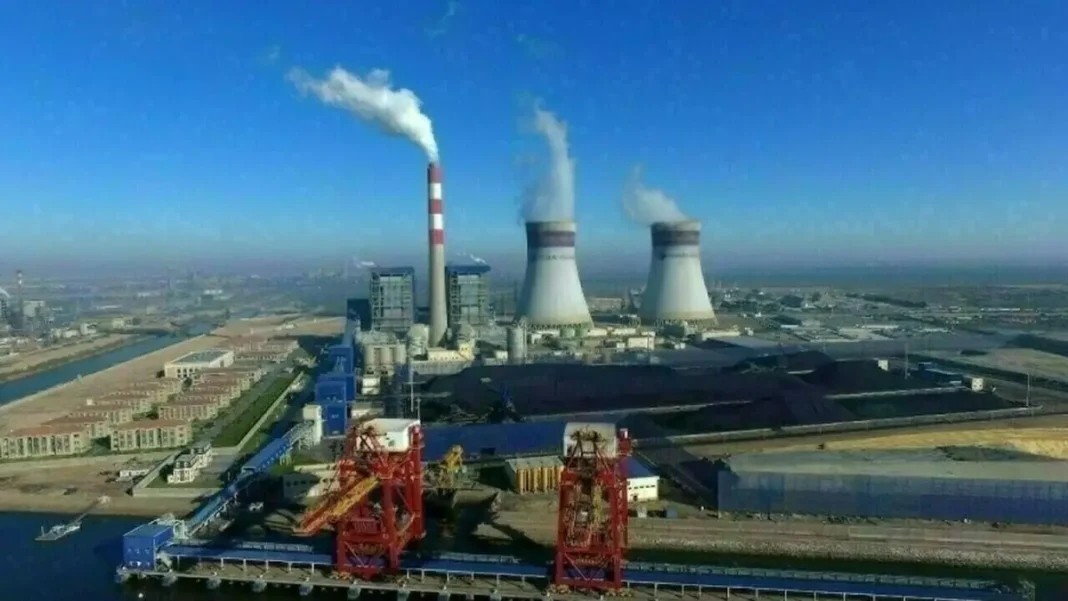
Port Qasim Electric Power Company (PQEPC) operates a 1,320-megawatt coal-fired plant at Port Qasim under CPEC. It has now written directly to the ministers for finance, planning and energy. Chief Executive Officer Wang Dongfeng sought the government’s intervention. Specifically, he wants to recover the company’s dues. In addition, he warned that payment delays could undermine the project’s financial viability.
How the Rs498 billion bill built up
A September 29, 2026 letter put PQEPC’s outstanding receivables at Rs79 billion. That is about $285.4 million. In fact, payments had been overdue for more than six months. Moreover, the company warned the receivables could grow further if the delays continued.
The company said prolonged nonpayment could threaten the sustainability of electricity generation. It could also trigger defaults under its loan agreements and the government’s sovereign guarantee. Meanwhile, its Chinese and Qatari shareholders and sponsors have expressed serious concern over the delays. They have called for immediate action to reduce the outstanding liabilities.
PQEPC acknowledged efforts by the government and CPPA-G to arrange funding. Moreover, these efforts aim to make payments to independent power producers. However, the company said the delays had placed the project under considerable financial pressure. Furthermore, it also pointed out a key fact. Its energy purchase price tariff is lower than that of oil-fired plants. It is also lower than re-gasified liquefied natural gas (RLNG)-based plants. The company argues that clearing its dues on time is necessary. This would keep generation steady. It would also avoid defaults on its loans and sovereign-guaranteed obligations.
The pressure is not limited to Port Qasim. In addition, the 1,320-MW Sahiwal coal-fired plant is owned and operated by China Huaneng. It is reportedly owed around Rs80 billion. The company has repeatedly approached the government for payment. It has also accused Pakistani authorities of pressing it to accept a “give-and-take” arrangement. This concerns long-pending deductions from capacity payments. In addition, China Huaneng has sought intervention from the Prime Minister’s Office. Its dispute with CPPA-G has reportedly remained unresolved for around four years.
Port Qasim and Sahiwal together account for roughly Rs159 billion of the reported receivables. Indeed, the wider outstanding amount is larger. CPPA-G owes CPEC power projects Rs498 billion, according to the sources cited in the report.
Chinese IPPs unpaid dues: a recurring standoff with a heavy backdrop
The Chinese IPPs unpaid dues figure lands against a power sector already straining at both ends. While producers wait on CPPA-G, consumers are also feeling the pressure. For example,power consumers face a Rs33 billion hit in their November bills, as we reported earlier this month. Industry is squeezed too, asFaisalabad’s power-loom crisisshows. As a result, the sector’s cash shortfall is being carried by generators, households and industry alike.
This is also not the first time Port Qasim has raised the alarm. In October 2024, the company’s chief executive warned that operations could be suspended over Rs88.2 billion in dues. The company repeated the warning in March 2025, according to published reports. Each episode ended with partial payments. However, the arrears kept rebuilding.
One caution is in order. However, as the report itself notes, the available information does not establish a default. Neither plant has defaulted on its loans. Nor has either suspended electricity generation. The warnings describe risks, not outcomes.
FAQs
How much do CPEC power plants say they are owed?
Rs498 billion in total. The Central Power Purchasing Agency-Guarantee (CPPA-G) owes it to them, according to sources cited by Business Recorder.
Why can’t CPPA-G pay?
The sources cited in the report say CPPA-G cannot clear the liabilities. They blame its own financial constraints. The producers have written to it repeatedly. In addition, the issue has reached the Prime Minister’s Office several times.
What did the Port Qasim CEO’s letter warn?
In his September 29, 2026 letter, CEO Wang Dongfeng issued a clear warning. Receivables of Rs79 billion were overdue for more than six months. He said they could undermine the project’s financial viability. They could also threaten sustainable power generation. Finally, they could trigger defaults under loan agreements and the government’s sovereign guarantee.
Has any Chinese IPP stopped generating power?
No. As a result, the available information does not establish a default by either plant. Neither the Port Qasim nor the Sahiwal plant has defaulted on its loans. Neither has suspended electricity generation.