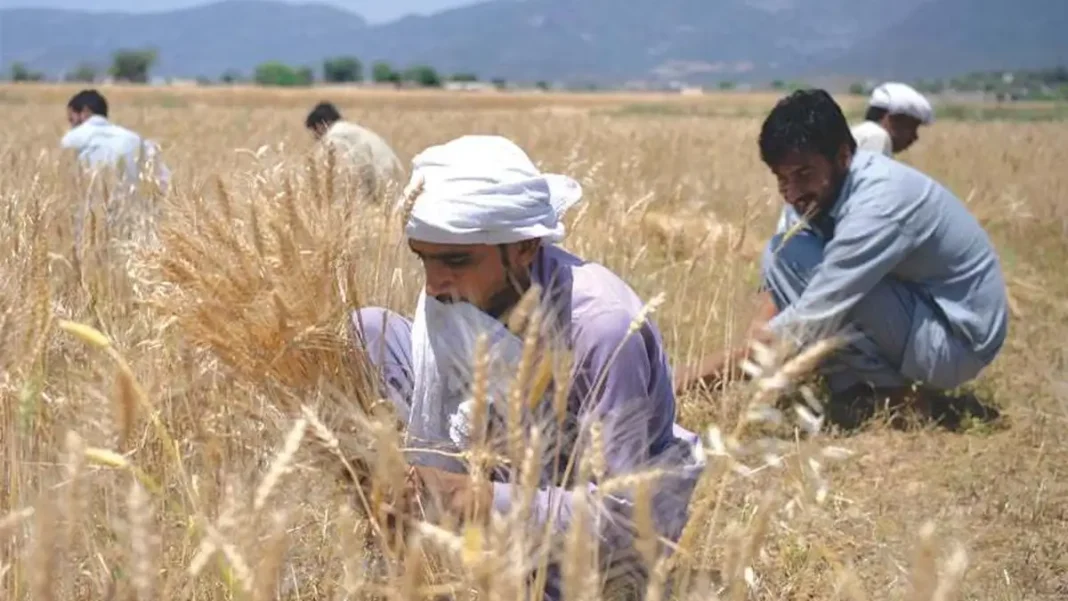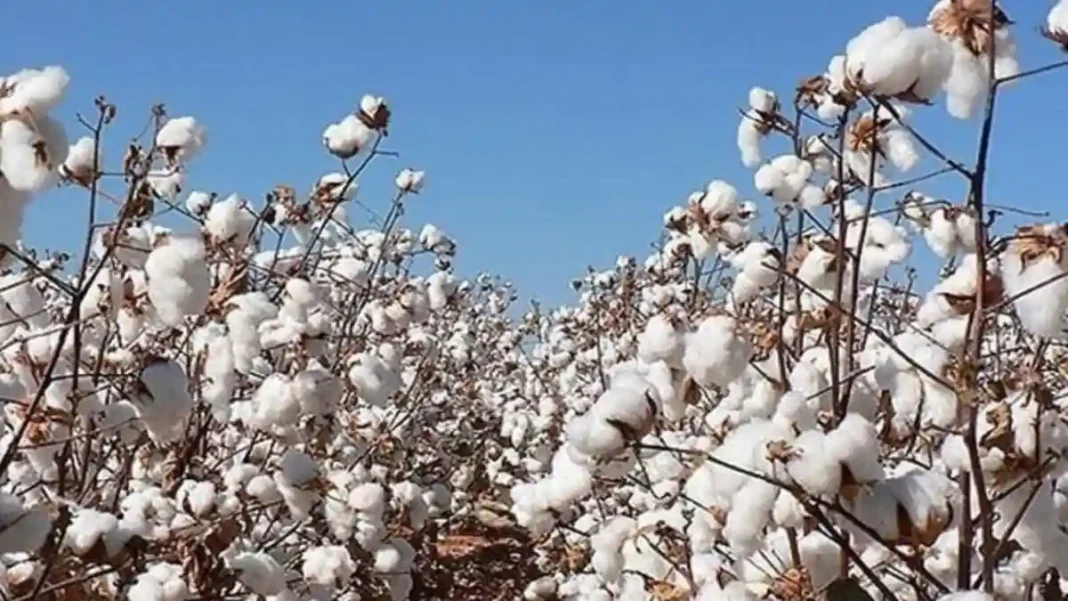
Pakistan’s cotton production 4 million bales milestone arrived sooner than many in the trade expected: ginning factories received 4,081,265 bales by October 15. 2026, up 7.53 per cent from the same point last year, according to the Pakistan Cotton Ginners Association (PCGA). Moreover, the gain of roughly 285,000 bales came on the back of dry, hot weather and relatively favourable domestic cotton prices.
Moreover, the report, the latest consolidated statement from the association, shows Sindh holding firmly as the country’s largest cotton-producing province, while Balochistan recorded the fastest regional growth.
Where the bales came from
| Region | Arrivals (bales) | Share of national total |
|---|---|---|
| Sindh | 2.262 million | 55.43% |
| Punjab | 1.638 million | 40.15% |
| Balochistan | 180,000 | 4.43% |
Sindh, excluding Balochistan, contributed 2.262 million bales, an increase of 167,226 bales or 7.35 per cent over last year. Moreover, punjab ranked second with 1.638 million bales, up 118,402 bales or 7.79 per cent, broadly in line with national growth. Moreover, balochistan recorded the strongest expansion at 30.36 per cent. Moreover, lifting its share of national arrivals to 4.43 per cent from 3.65 per cent a year earlier.
Moreover, the district-level figures underline the concentration of the crop. Furthermore, sanghar in Sindh emerged as the country’s leading cotton-producing district with 1,137,903 bales. More than double Bahawalnagar, Punjab’s top district, which recorded 418,750 bales. Sanghar alone accounted for roughly half of Sindh’s arrivals, with Sukkur (264,500 bales), Naushahro Feroze (223,200) and Khairpur (213,900) following.
The fortnight itself was busy: 872,863 bales arrived in the reporting period. In addition, business Recorder reported that 471 ginning factories were operating nationwide and that about 3.549 million bales had been sold. Textile mills purchased 86.7 per cent of total arrivals. While unsold stocks were 15.7 per cent lower than a year earlier. A sign that mills are absorbing the crop as it reaches the ginning stage.
What the cotton production 4 million bales figure means for textiles and farmers
The milestone matters for two reasons: demand and timing. Mills have taken up the bulk of arrivals. Unsold stocks are down, which points to steady downstream demand from the textile sector. With around 15 to 20 days of picking still remaining. According to Sajid Mahmood, head of the Transfer of Technology Department at the Central Cotton Research Institute in Multan, the final tally for the season could move higher.
The recovery is also notable given how the season began.Sindh’s 2026 monsoon fell short of normal, a deficit we tracked earlier in the season. However, the dry, hot finish to the crop cycle then helped arrivals pick up pace. The acceleration is visible in the data: the PCGA’s September 30 statement had put arrivals at 3.208 million bales. Up a slim 5.39 per cent, Dawn reported at the time. The October 1 to 15 fortnight pushed the year-on-year gain to 7.53 per cent.
Quality is the next question. As a result, the report expects staple length to improve as colder weather sets in, supporting the availability of higher-grade cotton. The price gap between low-grade and high-quality cotton stands at Rs2,000 per maund and could widen to Rs2,500 as buyers keep paying premiums for better fibre.
Related: subsidised wheat releases and flour prices in Sindh, the NA body’s Rs5,000 wheat support price for rabi and Punjab’s agriculture reforms in 2026.
FAQs
How much cotton had arrived by October 15?
Ginning factories had received 4,081,265 bales, up 7.53 per cent from the corresponding period last year, an increase of roughly 285,000 bales, according to PCGA data.
Which province produces the most cotton?
Sindh, with 2.262 million bales, or 55.43 per cent of national arrivals. For example, punjab is second with 1.638 million bales (40.15 per cent). Balochistan contributed 180,000 bales (4.43 per cent) with the fastest growth.
Why did cotton production rise this year?
Dry, hot weather and relatively favourable domestic cotton prices supported arrivals, according to the PCGA report. The October 1 to 15 fortnight alone brought 872,863 bales.
What does the 4 million bale figure mean for textile mills?
Mills purchased 86.7 per cent of total arrivals. Meanwhile, unsold stocks were 15.7 per cent lower than a year earlier, signalling steady demand. With 15 to 20 days of picking remaining, the final season tally could rise further.