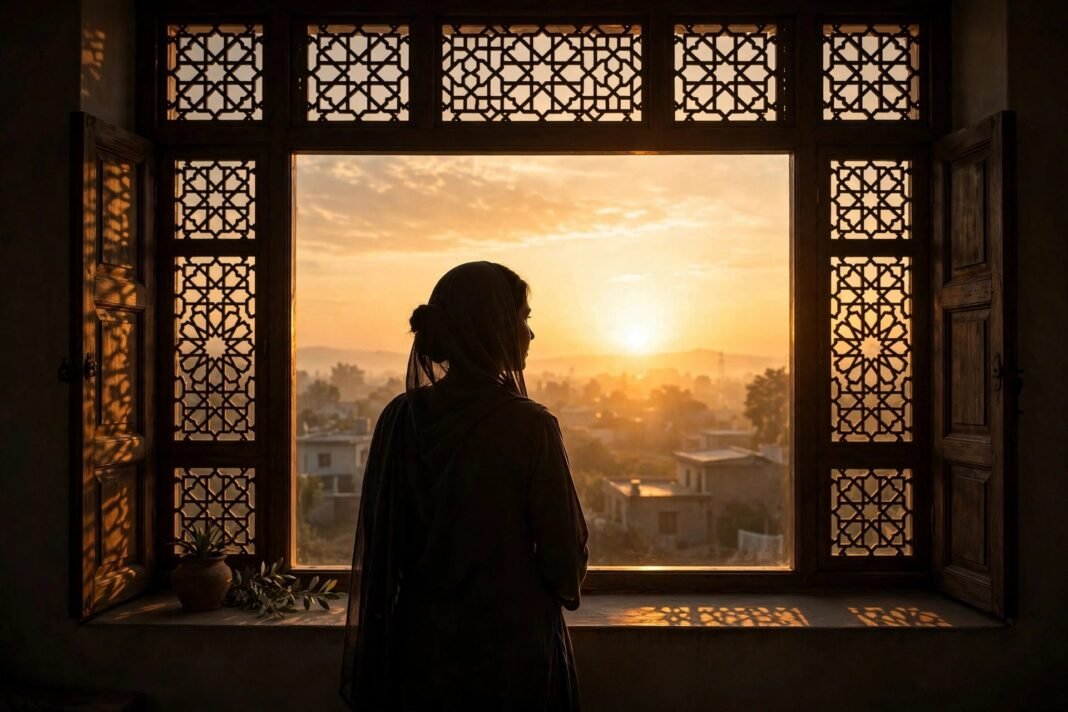
Thousands of women in Pakistan endure violence inside their own homes because they believe the law offers them no escape. That belief is wrong. Pakistan has dedicated domestic-violence protection laws in Punjab, Sindh, Balochistan, Khyber Pakhtunkhwa and the federal capital — laws that let a victim walk into a magistrate’s court and get immediate legal protection against an abuser.
This guide explains what counts as domestic violence under Pakistani law, which statute applies where you live, the exact helplines to call, how protection orders work, and what happens step by step after a complaint is filed.
What Counts as Domestic Violence Under the Law
Domestic violence is far wider than physical beating. The statutes recognise physical, emotional, psychological, verbal, sexual and economic abuse committed within a domestic relationship — between spouses, parents and children, in-laws, or other family members sharing a household.
- Physical violence: beating, assault, throwing or breaking things to intimidate, and any use of force against the body.
- Emotional and verbal violence: threats, insults, name-calling, repeated humiliation, and intimidation.
- Economic violence: controlling or withholding a wife’s money, stopping her from working, denying basic household expenses, or seizing her property or earnings.
- Stalking, harassment and cyber-harassment within a domestic relationship are also covered.
- Wrongful confinement — locking a woman inside the house or preventing her from leaving — counts as well.
This broad wording matters enormously: many victims suffer cruelty that leaves no bruises, and the law protects them too.
Which Law Applies Where You Live
Domestic violence legislation in Pakistan is provincial, so the exact statute depends on your location:
- Punjab: The Punjab Protection of Women against Violence Act, 2016 — the most detailed of the provincial laws. It created the District Women Protection Officer system and Violence Against Women Centers.
- Sindh: The Sindh Domestic Violence (Prevention and Protection) Act, 2013 — the first provincial domestic-violence law in the country.
- Balochistan: The Balochistan Domestic Violence (Prevention and Protection) Act, 2014.
- Khyber Pakhtunkhwa: The KP Domestic Violence (Prevention and Protection) Act, 2021.
- Islamabad Capital Territory: The Domestic Violence (Prevention and Protection) Act, 2020 — notably, its definition of domestic violence expressly includes emotional, psychological and economic abuse.
All of these laws share the same architecture: a complaint mechanism, emergency protection orders issued by a magistrate, residence orders, monetary relief, and criminal penalties for violating court orders.
Helplines: Who To Call Right Now
If you or someone you know is in immediate danger, call now — do not wait to “be sure”:
- 1099 — National helpline of the Ministry of Human Rights (free legal advice and referral; also on WhatsApp at 0333-9085709).
- 1043 — Punjab Women’s Toll-Free Helpline, run by the Punjab Commission on the Status of Women, available 24/7 with women call agents, legal advisors and psychosocial counsellors. It also accepts online complaints.
- 15 — Police emergency (all provinces).
- 1815 — Islamabad’s Online Women Police Station helpline (24/7), launched by ICT Police — complaints can be registered by phone, video call or online chat without visiting a police station, and FIRs are delivered to the complainant’s doorstep.
- 0800-70806 — Sindh Legal Advisory Call Centre (toll-free).
- 0800-39393 — Digital Rights Foundation’s Cyber Harassment Helpline (for online abuse and blackmail).
What a Court Can Order: Protection, Residence, Money
Once a complaint reaches a magistrate or family court, the law provides a toolkit of orders designed to protect the victim immediately — not after a years-long trial:
- Protection order: Directs the abuser to stop the violence, stay away from the victim, and not contact or harass her. Breaching a protection order is itself a punishable offence.
- Residence order: Secures the victim’s right to remain in the shared household — the abuser can be ordered to leave, even if the house is in his name. This directly answers the most common threat victims hear: “leave my house.”
- Monetary relief: The court can order the abuser to pay maintenance, medical expenses, compensation for injuries and property damage, and household expenses. Under the federal 2020 Act framework, fines imposed can be directed to the victim as compensation.
- Custody orders: Temporary custody of children can be granted to the victim as part of the protection proceedings.
- Counselling directions: Courts may direct either or both parties to undergo counselling.
Protection orders are meant to be fast. The Punjab 2016 Act provides for interim orders at the very first hearing — a victim does not have to wait for the full trial to get the abuser out of the house.
Step by Step: What Happens After You Complain
Step 1 — Get safe and preserve evidence. If you are in immediate danger, call 15 or go to the nearest police station. From day one, preserve evidence: screenshot abusive messages with dates, keep medical reports from any hospital visit, save voice notes, and note witnesses — the neighbour who heard it, the lady health worker who saw bruises.
Step 2 — Contact a helpline or walk into a Violence Against Women Center (VAWC). Punjab and Sindh operate VAWCs — one-stop centres where police, a female medico-legal doctor, and lawyers are available under one roof. You will meet a District Women Protection Officer, who records your statement in a private setting and guides the case forward.
Step 3 — Medical examination. If there has been physical hurt, a female doctor conducts a medico-legal examination. The medico-legal report is the single most important piece of evidence in the case — insist on getting one.
Step 4 — The complaint before the magistrate/court. The protection officer (or the victim directly, or through a lawyer) files an application before the magistrate. The court can grant interim protection immediately and then hears both sides.
Step 5 — FIR where a criminal offence is involved. Beating, grievous hurt, criminal intimidation and threats are offences under the Pakistan Penal Code independent of the domestic-violence statutes. The VAWC or the police facilitate lodging the FIR.
Step 6 — Trial and orders. The court decides on protection, residence, monetary relief and custody. Violation of any order can lead to arrest and imprisonment.
Punishments: What the Abuser Faces
Penalties vary by statute, but the direction is consistent and serious. Under the federal framework, domestic violence is punishable with imprisonment and fines running into tens of thousands of rupees — with fines payable as compensation to the victim, not merely to the state. Breach of a protection order carries its own separate punishment, typically imprisonment and/or fine. Where the violence amounts to hurt or grievous hurt under the Pakistan Penal Code, the PPC’s own punishments apply on top — which can mean years of imprisonment.
Importantly, abetment is also punishable: family members who orchestrate, encourage or facilitate the abuse face the same liability as the principal offender.
Common Fears — Answered Honestly
“The police won’t take me seriously.”
This is why the VAWCs and women-specific helplines exist. Walk into a VAWC or call 1043/1099 instead of a general police station if you fear dismissal — you will be received by trained women officers whose job is exactly these cases. Islamabad’s online women police station (1815) lets you register without entering a station at all.
“I have nowhere to go.”
That is precisely what residence orders are for: the law can remove the abuser from the house rather than forcing you out. Government-run shelters (Dar-ul-Amans) exist in every province for women who cannot safely return home.
“He will take the children.”
Courts can grant you interim custody as part of protection proceedings, and the welfare of the child — not the father’s assertions — is the legal standard in custody matters.
“My family will be shamed.”
Proceedings under these laws protect the victim’s privacy, and helplines offer confidential counselling. But weigh this honestly: the shame belongs to the abuser, and silence is what allows the violence to continue.
“I can’t afford a lawyer.”
Helplines 1099 and 1043 provide free legal advice and referral. The Legal Aid Society and district legal aid committees take domestic-violence cases for women who cannot pay. VAWCs have lawyers on site.
What To Do If Someone You Know Is Being Abused
You do not need to be the victim to act. A protection officer, and in most statutes any concerned person, can bring the situation to the authorities’ notice. What helps most: believe her, help her preserve evidence, give her the helpline numbers (1043, 1099, 15), offer to accompany her to a VAWC, and never pressure her to “compromise” with the abuser. Leaving is a process — on average it takes several attempts — and your steady support matters more than any single intervention.
The law is on her side. The system built to enforce it — helplines, protection officers, one-stop centres, fast protection orders — exists in 2026 in a form that did not exist a decade ago. The remaining gap is awareness: too many women still believe they have no escape. They do.