Islamabad: The Hormuz toll waived for the next 60 days has emerged as a major development following renewed diplomatic engagement between the United States and Iran.
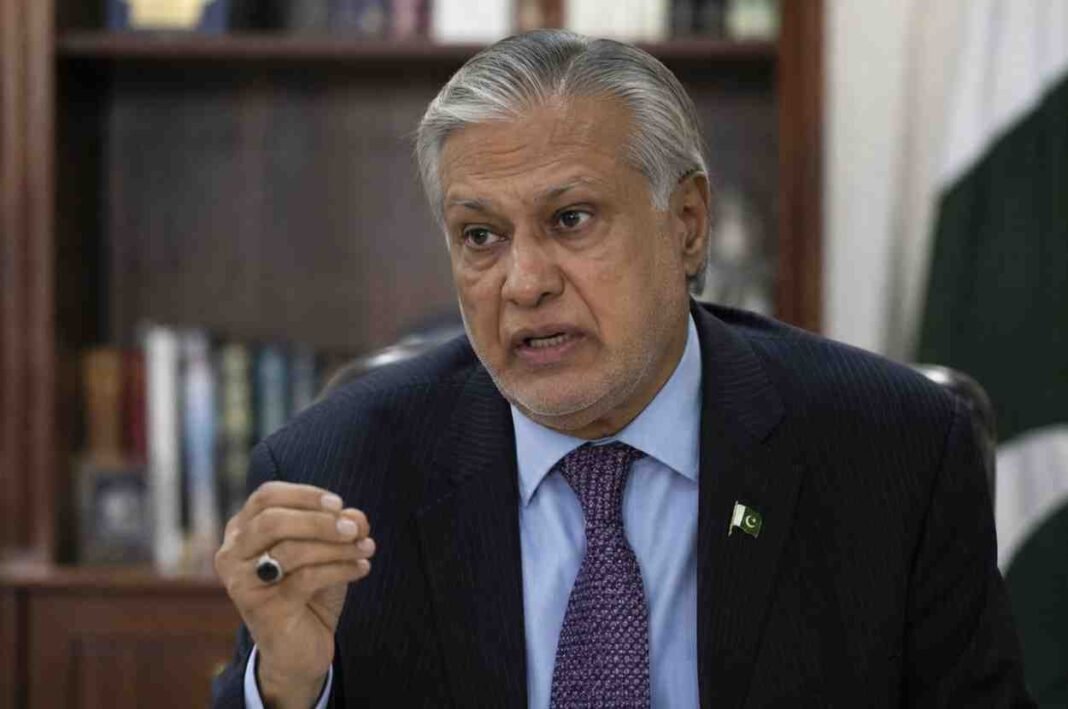
Deputy Prime Minister and Foreign Minister Ishaq Dar announced that authorities will not collect any toll tax from vessels passing through the Strait of Hormuz during this period.
Dar shared the update during an interview with Al Arabiya TV. He said the decision aims to support trade activity, reduce pressure on shipping routes, and encourage stability in a region that remains highly sensitive.
The Strait of Hormuz is of major importance to global energy supplies and commercial shipping. Many oil tankers and cargo vessels use this narrow waterway to travel between the Gulf and international markets.
Therefore, the Hormuz toll waived decision could offer temporary financial relief to shipping companies and businesses that depend on the route. It could also help reduce concerns over transport costs at a time when regional tensions have affected markets.
Ishaq Dar said Pakistan played an important role in bringing the United States and Iran to the negotiating table. He stated that Pakistan helped create direct diplomatic contact between the two countries for the first time in 47 years.
He added that Pakistan worked closely with its international partners to support the mediation effort. According to Dar, the engagement required detailed coordination and serious diplomatic work from all sides.
Dar also highlighted the economic impact of the conflict between Washington and Tehran. He said the confrontation caused severe damage and created uncertainty for regional trade, energy markets, and wider economic activity.
The foreign minister explained that three technical teams now continue discussions between the United States and Iran. These teams are focusing on key matters that require detailed negotiations beyond political statements.
One technical committee is discussing Iran’s nuclear program. Another team is examining the issue of frozen Iranian assets and possible steps for their return.
The talks also cover Lebanon and the broader regional security situation. Dar said the teams are reviewing developments that could affect peace efforts and future diplomatic progress.
Meanwhile, the Hormuz toll waiver move may help create a more positive atmosphere around these talks. It signals that practical steps can support diplomacy while technical teams work on difficult issues.
Shipping firms and oil markets will closely watch how the decision affects movement through the Strait of Hormuz. Any reduction in operating costs could support trade flows and ease immediate concerns for businesses using the route.
However, long-term stability will depend on progress in the wider negotiations. The United States and Iran still face complex differences over security, regional conflicts, nuclear concerns, and financial restrictions.
Pakistan has continued to call for dialogue and peaceful engagement. Dar said the country wants to help prevent further conflict and support a diplomatic path that benefits the entire region.
The Hormuz toll waived arrangement will remain in place for 60 days. During this period, regional leaders and international markets will monitor whether the ongoing negotiations can yield tangible progress and further reduce tensions.
For now, the decision offers a short-term measure that may support commercial activity while diplomatic teams continue their work on deeper regional issues.