Lahore: Jamaat-e-Islami Pakistan Emir Hafiz Naeem ur Rehman has welcomed the government’s decision to reduce petrol and diesel prices significantly. He described the latest Fuel Price Relief as the outcome of sustained public pressure and a nationwide campaign led by his party.
In a statement shared on social media, Hafiz Naeem ur Rehman said the government announced a reduction of Rs74 per liter in petrol prices and Rs67 per liter in diesel prices in response to growing public demand. He added that ordinary people had struggled for months under rising transportation and living costs. Therefore, he viewed the latest Fuel Price Relief as a positive step for consumers nationwide.
The Jamaat-e-Islami chief stated that his party consistently raised its voice against high fuel prices. Moreover, he said party workers and supporters highlighted the issue through public meetings, media engagements, and community outreach campaigns. As a result, he believes public awareness played an important role in bringing attention to the burden faced by citizens.
However, Hafiz Naeem ur Rehman made it clear that his movement would not stop with the current reduction. Instead, he pledged to continue efforts until the government completely abolishes the petroleum levy and fixes petrol prices at Rs225 per liter for the next three years. According to him, long-term stability remains essential for households and businesses that depend heavily on transportation and fuel.
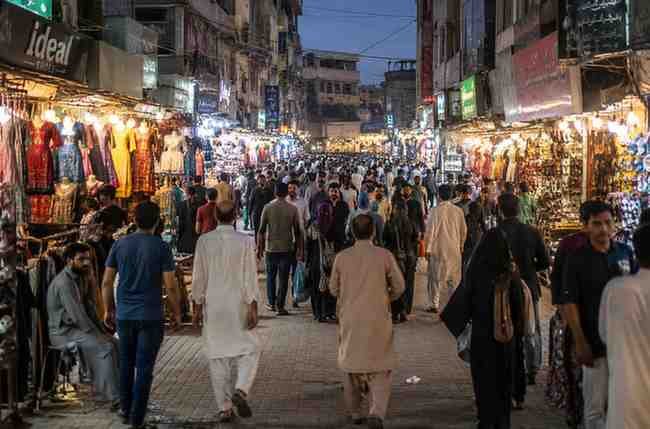
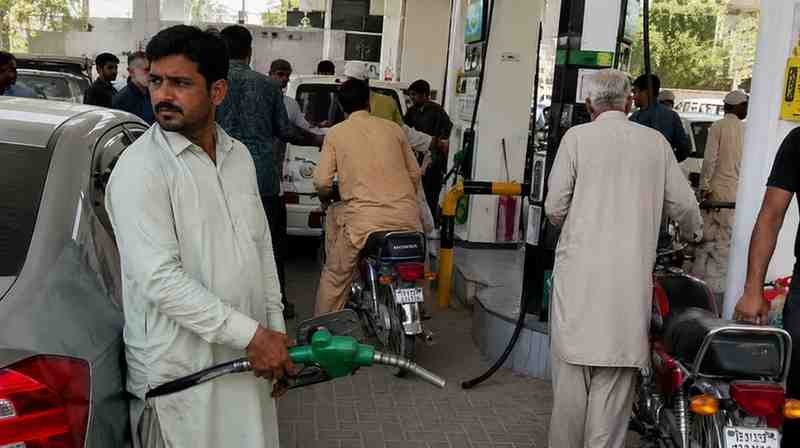
The announcement of Fuel Price Relief came shortly after the federal government officially revised petroleum product rates. Citizens across Pakistan welcomed the reduction because fuel prices directly affect transportation expenses, food costs, and business operations. Consequently, many people hope the latest cut will ease inflationary pressure in the coming weeks.
A day before the announcement, Hafiz Naeem ur Rehman addressed a press conference in Mansoorah. During the briefing, he urged the government to bring petroleum prices down to Rs225 per liter immediately. Furthermore, he demanded the removal of petroleum levies and additional taxes that increase the final cost paid by consumers.
He argued that global energy trends no longer justified excessively high fuel prices. Therefore, he called on policymakers to transfer the benefits of lower international energy costs directly to the public. In his view, citizens deserve greater economic relief at a time when many families continue to face financial challenges.
The latest Fuel Price Relief has also revived the debate over indirect taxation of petroleum products. Economists and political leaders have frequently discussed the impact of fuel-related taxes on inflation. Meanwhile, consumers often argue that high fuel prices create a chain reaction that affects the prices of essential goods and services.
Hafiz Naeem ur Rehman also addressed the prices of other commodities. He said several products became more expensive after the regional conflict involving Iran, the United States, and Israel earlier this year. However, he argued that market prices have not returned to previous levels despite changing circumstances.
As a result, he urged the government to review the prices of goods that increased after February 28. He specifically called for restoring prices to their pre-conflict levels. According to him, consumers should benefit whenever economic conditions improve.
The Jamaat-e-Islami leader further emphasized that lower fuel prices should translate into broader economic benefits. For example, transportation companies, manufacturers, retailers, and service providers all rely on fuel for daily operations. Therefore, reductions in fuel costs can help reduce business expenses and improve affordability for consumers.
In addition, he encouraged authorities to monitor market behavior closely. He said businesses should pass the benefits of Fuel Price Relief to customers rather than keeping prices unchanged. Consequently, stronger oversight could help ensure that consumers experience meaningful savings in daily life.
Hafiz Naeem ur Rehman also warned that his party would continue public mobilization if authorities failed to provide additional relief. He stated that Jamaat-e-Islami remains committed to protecting the interests of ordinary citizens. Therefore, the party will continue raising economic issues through democratic and constitutional means.
The latest Fuel Price Relief has become one of the most discussed economic developments in Pakistan. While many citizens have welcomed the reduction, political leaders continue to debate whether further cuts remain possible. At the same time, public expectations have increased as consumers seek lower prices for fuel and other essential goods.
For now, the government’s decision offers immediate relief to motorists, transport operators, and businesses. Nevertheless, political pressure for additional reforms continues to grow. As discussions over taxation and fuel pricing continue, the debate over Fuel Price Relief is likely to remain at the center of Pakistan’s economic and political landscape.