India-US Trade Deal Nears Completion, Says Goyal
India said on Friday it was close to finalising a long-awaited trade deal with the United States, after Washington proposed higher tariffs on Indian goods if negotiations fail. The India-US trade deal has been under negotiation since the two countries reached an interim accord in February.
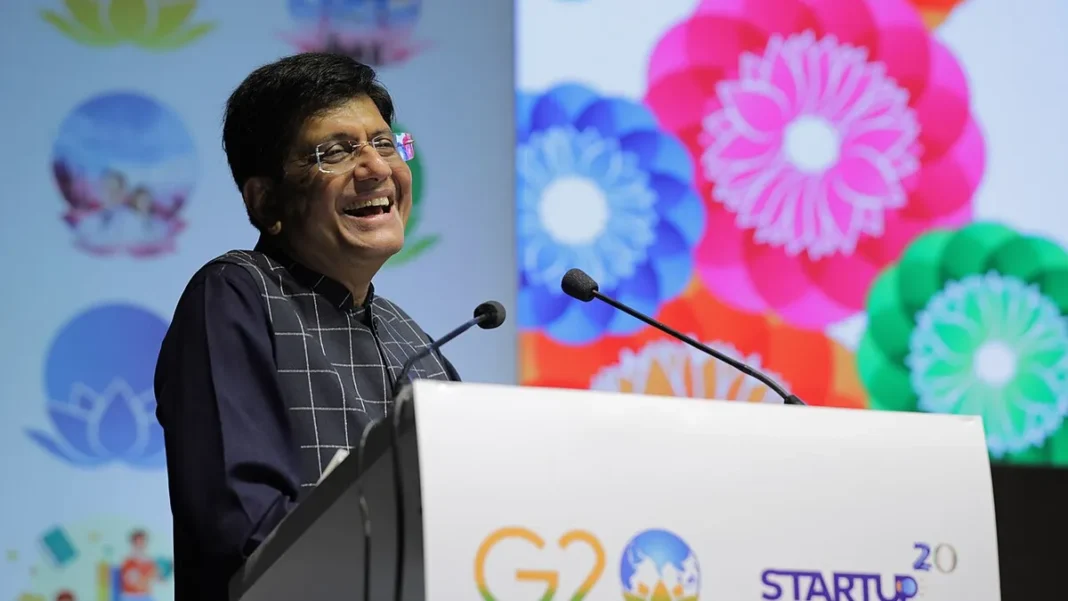
“The US trade deal is close to culmination,” Commerce Minister Piyush Goyal told an industry conference. He added that differences were beginning to be resolved.
“The process and pathway, which was always something which held back finalising the deal, is now taking some shape,” he said, addressing the India Debt Capital Market Summit 2026 virtually.
India-US trade deal hinges on tariff offer
Goyal’s comments came after US Trade Representative Jamieson Greer said on Wednesday that Indian goods would face tariffs of 17 per cent if a trade deal is reached, but rise to as much as 25 per cent if not.
The new tariffs face a period of public consultation before taking effect next year. Written comments are due by January 5, 2027, and public hearings begin on January 25 in Washington.
The 25 per cent duties would replace, rather than be added to, the existing 10 per cent tariffs. Importers will therefore pay only the higher of the two rates, so the burden would rise by seven percentage points at 17 per cent, or by 15 points at 25 per cent.
The United States is India’s largest trading partner, and the two have been negotiating a trade deal since reaching an interim accord in February. Under the February framework, US tariffs on Indian goods would have fallen to 18 per cent from a combined rate of 50 per cent.
Months of talks and a tariff probe
New Delhi has sought access to the US market for key export sectors including textiles, pharmaceuticals and engineering goods. Washington has pushed for greater access for American products and closer alignment on trade rules.
Since February, several rounds of talks have taken place but have been complicated by Washington launching a probe into unfair trade practices against multiple countries, including India.
Last month, New Delhi’s Finance Minister Nirmala Sitharaman said trade deal talks between India and the US had reached a “plateau”, after negotiations dragged on for months with the sides struggling to resolve sticking points.
On Wednesday, the US unveiled proposed tariffs on 14 economies, including India, after a months-long probe into alleged excess production. The duties came over allegations that the economies “are promoting production and capacity divorced from the realities of demand and market principles,” a senior US official said.
The proposed levies are being imposed under Section 301 of the 1974 Trade Act, which allows Washington to investigate foreign trade practices it believes are discriminatory to US commerce.
What the 17 per cent rate would mean
At 17 per cent, India would sit below Bangladesh, Cambodia, Indonesia, Malaysia and Thailand, which face 18 per cent, though above the European Union, Japan, South Korea, Switzerland and Taiwan at 15 per cent.
Without a deal, India’s rate would rise to 25 per cent. The eight-point gap between the two rates could decide who wins orders for products like shirts or phones shipped to America.
Goyal also said the India-European Union free trade agreement was expected to be signed later this year and could come into effect by March or April 2027.
On November 18, Commerce Secretary Rajesh Agrawal said India and the US were close to finalising negotiations for the bilateral trade agreement, but the deal will not be signed until Washington sets up a new tariffs framework.
Pakistan’s exporters gained an advantage from US tariff changes earlier this month. A deal that keeps India’s rate at 17 per cent would narrow that edge for Pakistani textiles and clothing in the US market.
Pakistan’s trade gap with Gulf countries narrowed recently as exports grew. Islamabad is watching regional trade shifts closely as it pushes its own export targets.
Pakistan’s farm exports to the European Union gained from GSP Plus status. Preferential access has already proved its worth for Pakistani exporters in Europe.
Pakistan’s mango exports fell 36 per cent this year, showing how fragile farm exports can be. Tariff barriers and market access decide whether exporters win or lose orders.
Shehbaz Sharif praised Musadik Malik’s recent Delhi visit. Trade and regional diplomacy remain linked for both neighbours.
Frequently asked questions
How close is the India-US trade deal?
Commerce Minister Piyush Goyal said on Friday that the deal is “close to culmination” and that the process and pathway for finalising it are now taking shape.
What tariffs will Indian goods face?
US Trade Representative Jamieson Greer said Indian goods would face tariffs of 17 per cent if a trade deal is reached, but as much as 25 per cent if not.
When will the new US tariffs take effect?
The proposed tariffs face a period of public consultation before taking effect next year. Written comments are due by January 5, 2027, and public hearings begin on January 25 in Washington.
What has India sought from the deal?
New Delhi has sought access to the US market for textiles, pharmaceuticals and engineering goods, while Washington has pushed for greater access for American products and closer alignment on trade rules.
How long have the talks been going on?
India and the US have been negotiating since reaching an interim accord in February, with several rounds of talks since then.