


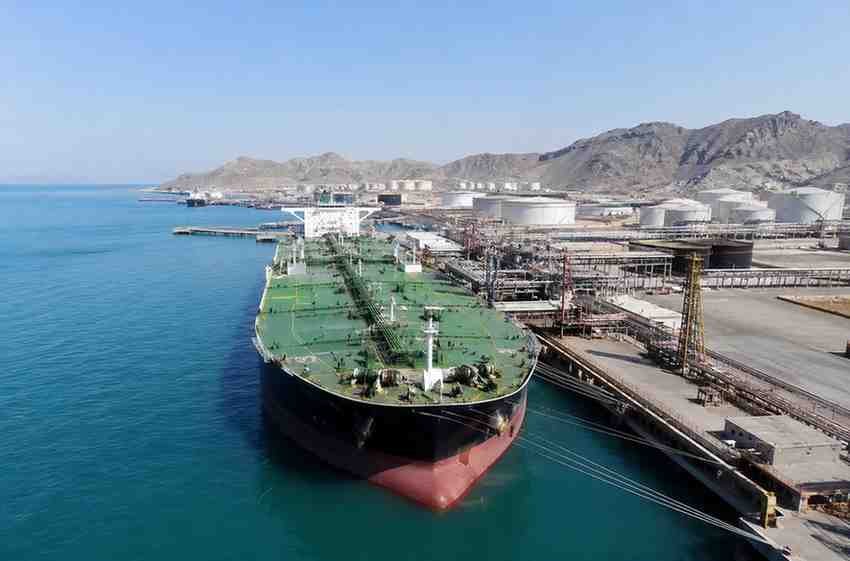
Tehran: Iranian media outlets have claimed that China, North Korea, and Japan have started buying larger volumes of crude from Tehran. The reports link the renewed activity to easier movement of oil through regional shipping routes. As a result, Iran’s oil imports have become a major point of discussion in energy markets.
Moreover, Iranian outlets say stronger demand from Asian buyers has increased the flow of Iranian crude into international trade. These reports describe China as a key buyer due to its large refining capacity and longstanding demand for discounted energy supplies. Meanwhile, the reports also name North Korea and Japan among countries increasing their purchases.
However, the reports do not provide official import data from the three countries to confirm the scale of these purchases. Therefore, market observers may need to review shipping records, customs figures, and official statements before concluding. Still, the claims have drawn attention because Iran Oil Imports can influence regional supply expectations.
Furthermore, Iranian media says higher crude availability has helped ease pressure on global oil prices. According to the reports, additional Iranian supply has entered the market through the Strait of Hormuz. Consequently, traders have started watching the route closely because it remains vital for energy shipments from the Gulf region.
The Strait of Hormuz carries a major share of global oil and gas trade each day. Therefore, any improvement in shipping conditions can affect oil supply, freight costs, and market confidence. Iranian media argues that smoother movement through the waterway has supported Iran’s oil imports and added more supply options for international buyers.
In addition, the reports claim that the growing availability of Iranian crude could help reduce inflationary pressure in some countries. Lower oil prices can reduce transport costs and ease fuel expenses for businesses and households. As a result, governments and central banks often monitor oil trends when they assess inflation risks.
Meanwhile, the United States has reportedly given Iran temporary permission to produce, transport, and sell crude oil. Iranian media reports that the United States issued a 60-day general license allowing Iran to continue certain oil-related activities during the temporary period. Therefore, the move could create more space for Iran’s oil imports to grow in selected markets.
The reported license could also affect trading companies, shipping firms, and refineries seeking clarity before entering into new deals. However, businesses may still review legal requirements, sanctions rules, insurance conditions, and payment channels before they make commercial decisions. Consequently, the actual impact may depend on how companies respond during the 60 days.
The US Treasury Secretary reportedly linked the decision to wider diplomatic efforts aimed at improving global security and economic stability. At the same time, Iranian officials reportedly assured the international community that ships could move freely through the Strait of Hormuz. Therefore, Iran’s oil imports may increase further if shipping companies and buyers gain greater confidence in the route.
China remains especially important in this situation because it ranks among the world’s largest crude buyers. Moreover, even limited new purchases from other Asian countries could strengthen demand for Iranian supplies. This development could also encourage traders to compare Iranian crude prices with supplies from other major exporters.
Still, the market needs independent confirmation before it can measure the full effect of the reported buying activity. Oil prices can change quickly because of production levels, shipping risks, political decisions, and global demand. For now, Iran’s oil imports remain a closely watched issue for governments, energy firms, and consumers around the world.