The United States has announced a major change to its sanctions policy by removing restrictions on an Iraqi airline that had previously faced penalties over alleged ties to Iran’s Islamic Revolutionary Guard Corps. The decision marks an important development in Washington’s approach while fresh sanctions continue against other individuals and companies linked to Iran’s energy sector.
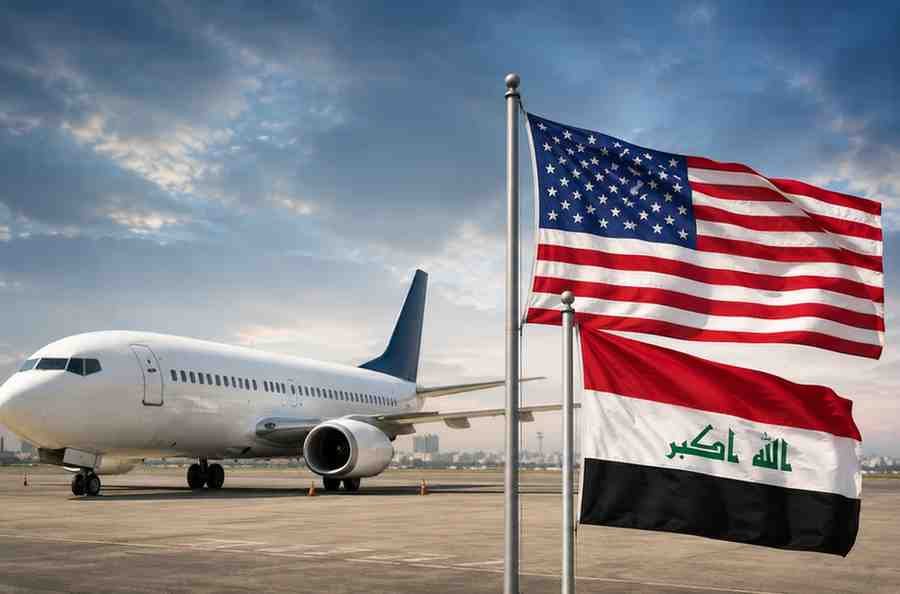
According to the U.S. Department of the Treasury, IRGC Airline Sanctions no longer apply to Fly Baghdad Airlines. The airline can now move forward without the counterterrorism restrictions that had affected its operations since 2024. Officials also confirmed that two Boeing 737 aircraft operated by the carrier have been removed from the sanctions list.
The airline came under international attention after U.S. authorities claimed it maintained links with Iran’s Islamic Revolutionary Guard Corps, commonly known as the IRGC. Those allegations resulted in strict financial and operational restrictions that limited the company’s international activities.
The latest decision changes that situation significantly. Government officials stated that Fly Baghdad Airlines no longer appears on the U.S. sanctions list. The removal also applies to two of the airline’s Boeing 737 aircraft that previously faced the same restrictions.
The IRGC Airline Sanctions decision has attracted global attention because it comes at a time when tensions in the Middle East continue to influence diplomatic and economic policies. Aviation experts believe the move could improve the airline’s ability to conduct business with international partners.
Although the United States lifted restrictions on the airline, Washington introduced new sanctions against other targets connected to Iran. This shows that American authorities continue to enforce economic measures against individuals and organizations they believe support activities that violate U.S. sanctions policy.
Among the newly sanctioned individuals is Iraq’s Deputy Oil Minister, Ali Maarij Bhadili. U.S. officials accused him of cooperating with Iran in petroleum industry matters. As a result, financial restrictions now apply to him under the latest sanctions package.
International media reports indicate that American authorities also targeted several businesses connected to the same network. Three oil companies have joined the sanctions list following the latest announcement. Officials believe these companies played a role in activities linked to Iran’s energy sector.
In addition, companies maintaining business relationships with Ali Maarij Bhadili have also been added to the blocklist. The decision expands the scope of the sanctions and increases pressure on organizations that continue commercial dealings with designated individuals.
The IRGC Airline Sanctions update reflects a mixed policy approach. On one hand, the United States removed restrictions from an airline that had remained under sanctions for nearly two years. On the other hand, it expanded measures against officials and businesses connected to Iran’s petroleum industry.
Analysts say the decision may influence regional aviation and commercial activity. Airlines often face financial challenges when sanctions limit access to international banking services, aircraft maintenance, insurance, and commercial partnerships. Therefore, the removal of restrictions could create new business opportunities for Fly Baghdad Airlines.
Meanwhile, the newly announced sanctions demonstrate that Washington continues to focus on Iran’s energy network. Economic measures remain one of the primary tools the United States uses to address activities it considers harmful to regional stability and international security.
The IRGC Airline Sanctions announcement also highlights how quickly sanctions policies can change in response to diplomatic developments and government reviews. Companies operating in the region closely monitor these decisions because they directly affect investment, trade, transportation, and financial transactions.
Observers expect governments, airlines, and energy companies across the Middle East to watch future developments carefully. Any additional policy changes could influence regional trade routes, commercial aviation, and cross-border business partnerships in the months ahead.
The removal of restrictions on Fly Baghdad Airlines, together with fresh sanctions on Iraq’s Deputy Oil Minister and several oil companies, reflects the evolving nature of U.S. foreign policy. While one organization has regained access to broader commercial opportunities, others now face tighter economic restrictions under the latest American sanctions framework.