

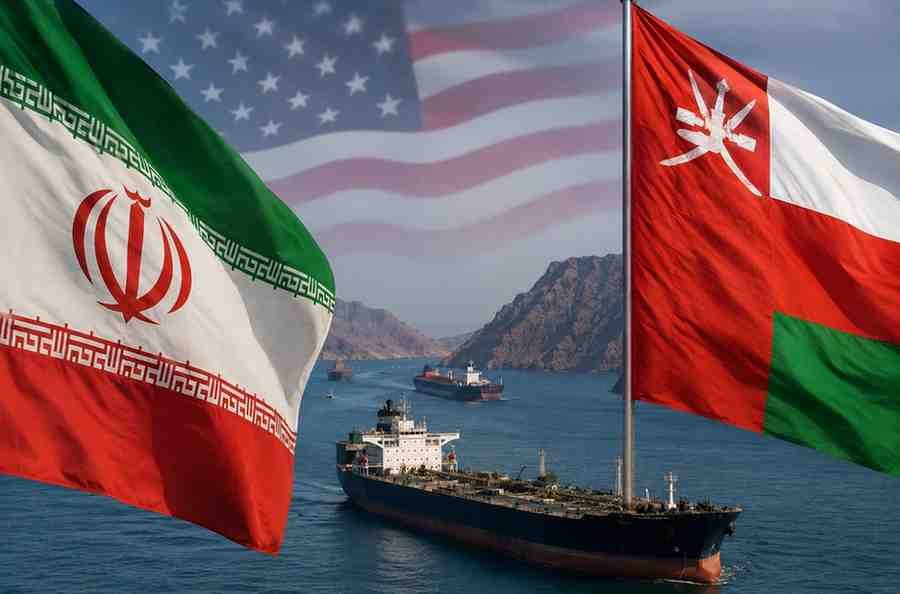
Iran says an Oman Deal concerning shipping routes through the Strait of Hormuz has entered its final stages. However, Tehran says reopening the strategic waterway will depend on the United States meeting several conditions.
Iranian officials said on Sunday that Tehran and Muscat have moved closer to completing an arrangement on new shipping lanes. However, Iran stressed that the agreement itself does not automatically mean the Strait of Hormuz will reopen.
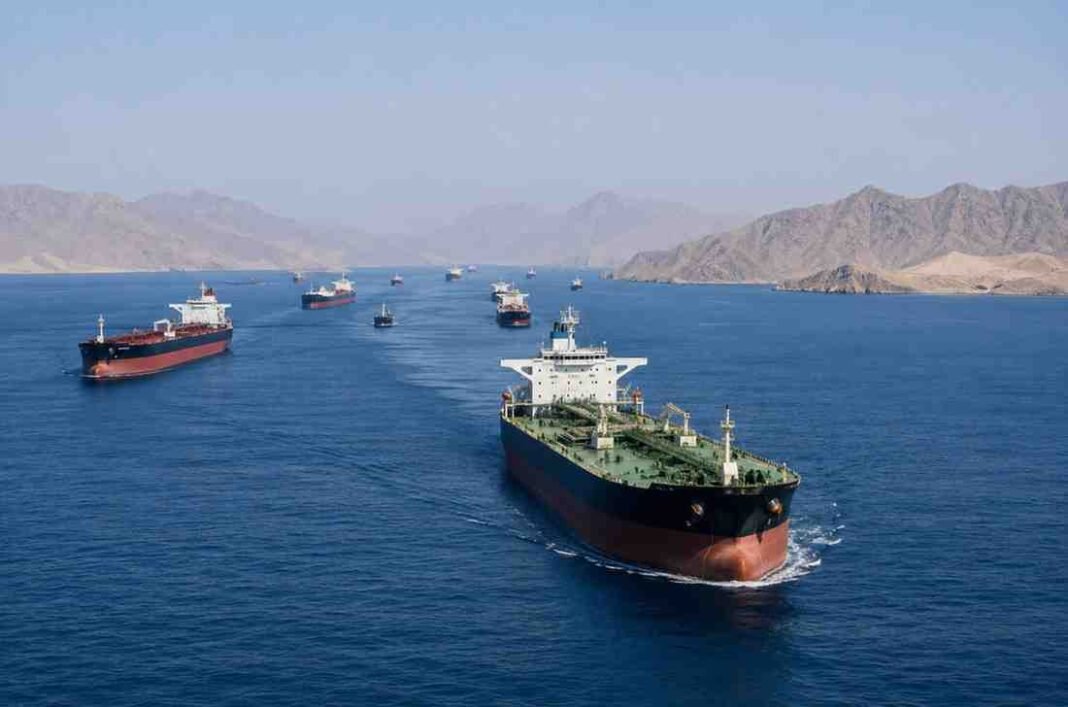
The development carries major importance for international energy markets. The Strait of Hormuz has historically served as one of the world’s most important routes for oil and liquefied natural gas shipments.
According to a US official cited by Reuters, Iran and Oman could reach an agreement soon. The official also suggested that the development could eventually help reopen the crucial maritime passage.
Still, Tehran has presented a more cautious picture of the situation. Iranian Foreign Minister Abbas Araghchi said discussions with Oman mainly focus on determining shipping routes for future use.
Araghchi explained that the Oman Deal should not create an impression that Iran has already decided to reopen the Strait of Hormuz. Instead, officials are working on arrangements that would apply whenever the waterway reopens.
Therefore, negotiations with Muscat currently focus on the practical framework for maritime movement. Iran wants to establish how vessels would travel through the area once the necessary conditions allow shipping activity to resume.
Meanwhile, Araghchi also addressed Iran’s relationship with the United States. He said Tehran and Washington are not currently holding formal negotiations.
However, both sides continue to exchange messages through intermediary countries. Araghchi stressed that Iran does not classify these indirect contacts as official negotiations between Tehran and Washington.
At the same time, mediating countries continue efforts to find a path toward renewed diplomatic talks. These efforts could become important if Iran and the United States decide to restart formal negotiations.
Iran has also linked future negotiations to actions from Washington. According to Araghchi, Tehran expects the United States to stop what Iran describes as violations of a memorandum of understanding and address previous breaches.
Until Washington takes those steps, Araghchi said Iran sees little possibility of restarting negotiations. Therefore, diplomatic progress between the two countries remains connected to Tehran’s conditions.
The Oman Deal could still represent an important step toward easing concerns surrounding the Strait of Hormuz. However, Iran continues to separate its discussions with Oman from its conditions for reopening the waterway.
The Strait carries enormous strategic importance because energy producers across the Gulf rely heavily on the route. Any prolonged disruption can therefore affect oil supplies, shipping costs and international energy prices.
Furthermore, global markets closely follow developments involving the waterway because of its role in international trade. Even signs of disruption or reopening can influence expectations among energy traders and shipping companies.
Oman has often played an intermediary role in sensitive regional diplomacy. Consequently, its discussions with Iran could help establish practical arrangements while other countries continue efforts to reduce political tensions.
The reported progress on the Oman Deal also highlights the difference between technical discussions and broader diplomatic negotiations. Tehran says the talks with Muscat concern shipping arrangements rather than a direct political agreement with Washington.
Araghchi made that distinction clear when discussing contacts with the United States. He said intermediary countries continue carrying messages, but Iran does not regard those exchanges as negotiations.
Meanwhile, mediators continue searching for a formula that could bring both sides back to formal talks. Their success may depend on whether Washington and Tehran can resolve disagreements surrounding previous commitments.
Iran’s position also suggests that reopening the Strait of Hormuz involves more than defining a shipping lane. Tehran wants progress on its wider conditions before it supports a full return to normal maritime movement.
For that reason, completion of the Oman Deal may solve only one part of the broader issue. The agreement could establish the route for vessels, while political and diplomatic conditions determine when ships can actually use it.
International attention will likely remain focused on the situation because of the Strait’s importance to global energy flows. Oil-producing countries, importers and shipping companies all have a major interest in reliable access to the passage.
Moreover, uncertainty surrounding the waterway can increase concerns about global energy security. Any progress toward reopening it could therefore reduce pressure on shipping networks and improve confidence among international markets.
However, Tehran has made clear that it expects specific US actions before further diplomatic progress. Iran also continues to insist that indirect exchanges through mediators do not amount to formal talks.
The Oman Deal may now be nearing completion, but the future of the Strait of Hormuz still depends on wider political developments. Iran says it will consider reopening the route only after its stated conditions receive attention.
For now, Oman and Iran continue working on the proposed shipping framework. At the same time, intermediary countries continue their diplomatic efforts to bring Tehran and Washington closer to renewed negotiations.
The coming developments could have consequences far beyond the region because of the Strait’s role in global energy transportation. Therefore, governments, energy markets and shipping companies will closely watch what follows the Oman Deal and Iran’s conditions for reopening the Strait of Hormuz.