LHC Haq Mehr Ruling Protects Abused Wives’ Dower
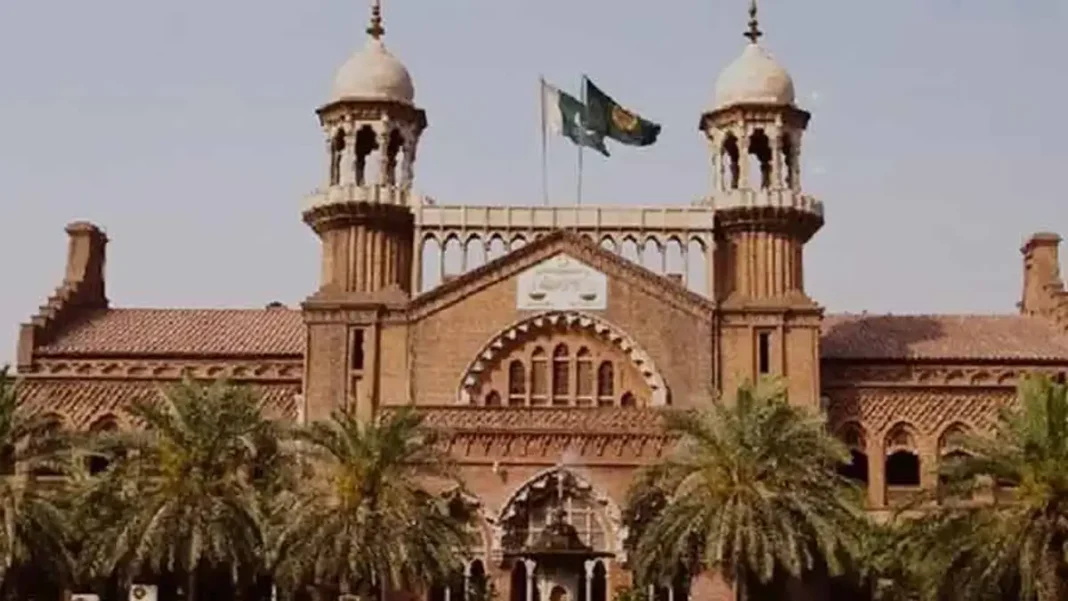
The Lahore High Court has ruled that a wife who ends her marriage because of her husband’s cruelty keeps her full haq mehr, in a judgment that treats mental and emotional abuse as cruelty under the law. The LHC haq mehr ruling came from the court’s Multan Bench on Thursday, November 26, and ordered the husband to pay Rs500,000 in damages to his wife.
Justice Chaudhry Muhammad Iqbal gave the 10-page judgment in Maryam Zafar’s petition. She had sought her dower, dowry articles and dissolution since 2020. The lower courts had dissolved the marriage on khula. The High Court changed the ground, holding it stood dissolved because of her husband’s mental and physical abuse.
Dunya News reported the judgment on Thursday. 24NewsHD also reported the ruling, and said the court had relied on a Supreme Court decision that torture is not merely physical, but also mental.
What the LHC haq mehr ruling decided
The court held that cruelty is not limited to physical violence. Causing psychological distress, humiliating a spouse, adopting insulting behaviour and consistently ignoring a spouse all amount to cruelty, it said.
The court stressed that trust, respect and mutual dignity are fundamental to married life, and observed that the lower courts had failed to properly examine her statement, the witness accounts and the medical reports.
The judgment declared her entitled to the dower agreed in the marriage contract, and directed her husband to pay Rs500,000 in special damages. 24NewsHD reported the damages were ordered because she endured torture during the marriage and after its dissolution, when she was implicated in a false case.
Why the ground for divorce changed the dower outcome
The distinction between khula and dissolution on the ground of cruelty decides what happens to the dower. In a standard khula, the wife seeks release and the court can direct her to return dower or other benefits received. When a court dissolves a marriage because the husband’s cruelty is proved, the wife keeps her dower in full.
That is why the change of ground mattered. The lower courts had treated the matter as khula, which put the woman’s dower at risk. By recording the dissolution on the ground of cruelty instead, the court protected her right to the full dower in the nikahnama. Torture, it added, could be gauged from whether a woman could live with her husband or not.
The facts the court relied on
The woman told the court she had been taunted because the couple had no children after two years of marriage. Medical examinations, taken voluntarily by both, showed an issue affecting the husband’s ability to father children. She advised treatment, but he remained medically unfit.
The court also noted that the husband had denied that he had married her at all. That denial, the court said, was enough to prove that he was a liar. The case had run for six years.
A week of court rulings on women’s marriage rights
The ruling arrives in a week when the courts have moved on more than one question of women’s marriage rights. The Sindh High Court restored the dissolution of marriage provision in the Christian divorce law, reviving a right that had been removed from the statute in 1981.
The Punjab Women Protection Authority has also launched campaigns for 16 Days of Activism Against Gender-Based Violence. The price of silence around domestic violence remains high for many women.
For women who want to know where they stand, our guide to the laws every woman in Pakistan should know sets out the rights on marriage, dower, maintenance and custody, and our explainer on child custody law covers custody after separation.
Frequently asked questions
What is haq mehr?
Haq mehr, or dower, is the mandatory gift a husband agrees to give his wife under the nikahnama. It can be paid at marriage or deferred, and it belongs to the wife.
Does a wife lose her haq mehr if she seeks khula?
Not always. In a standard khula, the court can direct the wife to return dower received. But when a marriage is dissolved because the husband’s cruelty is proved, the wife keeps her full dower.
What counts as cruelty under the ruling?
Cruelty covers physical, mental and emotional abuse. Psychological distress, humiliation, insulting behaviour and consistently ignoring a spouse all amount to cruelty. The test is whether it is possible for a woman to live with her husband or not.
What did the Supreme Court say about torture?
The court relied on a Supreme Court decision that torture is not merely physical, but also mental. The test is whether it is possible for a woman to live with her husband or not.
What happened in Maryam Zafar’s case?
Maryam Zafar sought her dower, dowry articles and dissolution in proceedings that began in 2020. The lower courts dissolved the marriage on the basis of khula. The Multan Bench changed the ground to her husband’s mental and physical abuse, and ordered her full dower and Rs500,000 in damages.