DRAFT — for review (not published)
- Suggested slug: moitt-wise-lab-women-led-startups-support
- Category: Business
- Focus keyphrase: women-led startups Pakistan
- SEO title: Pakistan to Back 20 Women-Led Startups Yearly
- Meta description: The IT ministry’s proposed WISE Lab will support at least 20 women-led startups and train 200 female micro-entrepreneurs every year in Pakistan.
- Tags: women-led startups, WISE Lab, MoITT, women entrepreneurs Pakistan, digital skills training, tech startups, female micro-entrepreneurs
- Original element: own data point — places the plan against our prior coverage of the Mobilink Bank WIN incubator, where 13 women-led startups secured growth support, showing the gap this public programme would fill
- Source: ProPakistani (“Govt to Support 20 Women-Led Startups Every Year”, published 16 Oct 2026, 20:59 PKT)
Pakistan to Back 20 Women-Led Startups Yearly
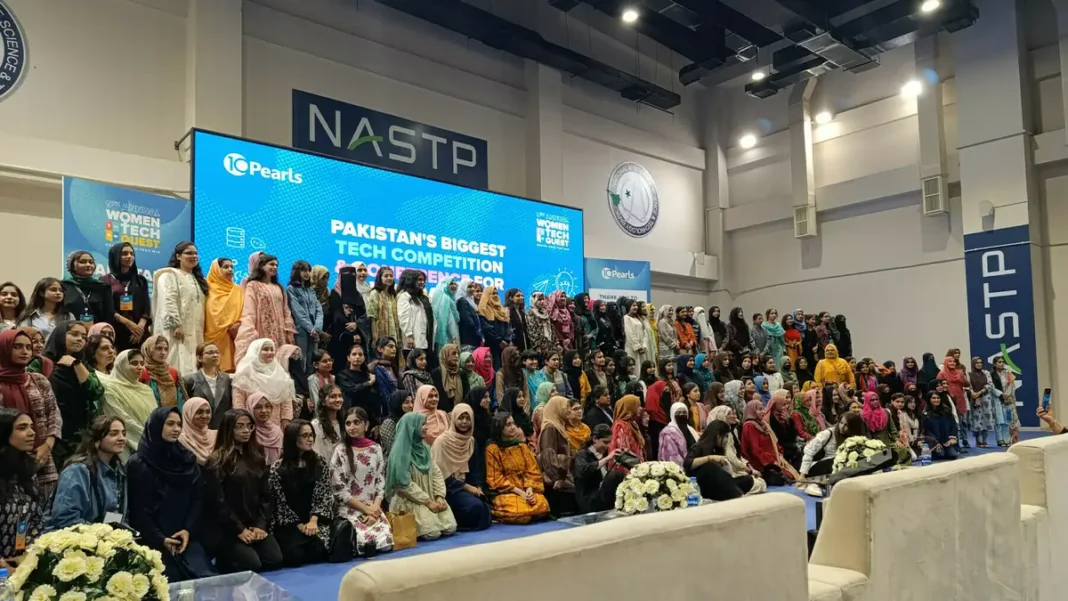
The Ministry of Information Technology and Telecommunication has outlined plans to support women-led technology startups and female micro-entrepreneurs through dedicated startup assistance and annual digital skills training.
At the heart of the plan is a proposed Women Innovation and Startup Empowerment (WISE) Lab. Under the proposal, the ministry would support at least 20 women-led startups every year, helping founders develop their business ideas, strengthen their commercial potential, and expand their participation in Pakistan’s technology sector.
The plan also includes training 200 female micro-entrepreneurs each year to improve their use of digital tools and technology-enabled business solutions — a parallel track aimed at women running small businesses rather than tech startups.
What the WISE Lab will do
The lab is conceived as a support system for women turning technical knowledge into working businesses. Participating startups would get help refining their ideas, building commercially viable models, and finding their footing in a sector where women remain underrepresented.
The emphasis on commercial potential matters. Many women-led ventures in Pakistan stall not for lack of ideas but for lack of structured guidance on pricing, marketing, and scaling — the unglamorous work that decides whether a startup survives its first two years.
By committing to a yearly cohort of at least 20 startups, the ministry is signalling that this will be a standing programme rather than a one-off scheme.
Training for micro-entrepreneurs
The second track targets a different audience: the hundreds of thousands of women running micro and small businesses across the country. The proposed training would cover digital tools for managing operations, reaching more customers, and exploring opportunities in digital marketplaces.
For a woman running a home-based clothing business or a small food venture, practical skills — taking online payments, listing products on e-commerce platforms, managing orders on a phone — can matter more than formal business education. The programme appears designed with exactly that audience in mind.
This kind of grassroots digital training has shown results before. Stories like Eman Miraj’s digital skills award and the rise of Gen Z freelancers show how quickly Pakistani women adopt digital tools when training reaches them.
The barriers it targets
The ministry’s plan explicitly names the obstacles holding women back in technology entrepreneurship: limited access to relevant skills, weak business networks, and thin institutional support.
These are well-documented problems. Women founders in Pakistan often struggle to find mentors, to be taken seriously by investors, and to access the informal networks where deals and partnerships are made. A government-backed lab cannot fix culture on its own, but it can give founders a credible platform and a network to belong to.
The private sector has been moving in the same direction. Earlier this year, 13 women-led startups secured growth support through Mobilink Bank’s WIN incubator, showing there is both talent and appetite. A public programme like the WISE Lab would widen that pipeline beyond what corporate incubators can cover.
Part of a wider push
The initiatives form part of broader efforts to increase women’s participation in emerging technologies and technology-driven economic activity. The goal, as framed by the ministry, is to create more opportunities for women to establish technology businesses and contribute to Pakistan’s digital economy.
That framing matters because women’s economic participation in Pakistan remains among the lowest in the region. Programmes that combine startup support with practical digital skills — like Samina Rizwan’s freelancing journey shows at an individual level — attack the problem from both ends: creating founders and equipping earners.
For now, the WISE Lab remains a proposal. Its impact will depend on funding, execution, and whether the support on offer matches what women entrepreneurs actually need. But as a statement of intent, it puts women’s technology entrepreneurship firmly on the government’s agenda.