You check the mirror in the morning and there they are again: dark shadows under your eyes, making you look exhausted in every photo. You slept eight hours. You ate well. Yet the circles remain. If this sounds familiar, you are far from alone. Dark circles are one of the most common cosmetic concerns women report, and in Pakistan they seem almost universal. The reasons range from genetics and thin skin to iron deficiency, sun exposure, and everyday habits that quietly make everything worse.
The good news is that dark circles are rarely a sign of anything dangerous, and many respond well to home care, lifestyle changes, and targeted skincare. This guide explains why they happen, what actually works, and when it is time to see a dermatologist instead of trying one more home remedy.
What Dark Circles Actually Are
Before fixing the problem, it helps to understand what you are looking at. Dermatologists broadly divide dark circles into four categories, and the treatment depends on the type.
Pigmented dark circles appear brownish or grey, caused by excess melanin from genetics, sun exposure, or post-inflammatory pigmentation. This is the most common type in Pakistani women.
Vascular dark circles look bluish or purple. They happen when thin under-eye skin lets blood vessels and pooled blood show through. Lack of sleep and dehydration make them more visible.
Structural dark circles are shadows cast by tear troughs, puffy lower eyelids, or hollow areas that develop with age. No cream can lighten a shadow; the fix is addressing volume or puffiness.
Mixed dark circles combine two or more of the above, which is what most women have.
Knowing your type saves money and frustration. Brightening ingredients like vitamin C help pigmentation but do almost nothing for structural shadows, while caffeine improves puffiness but cannot erase melanin.
The Main Causes of Dark Circles in Women
Genetics and Skin Tone
For many women, dark circles are simply inherited. If your mother or grandmother has them, you are far more likely to have them too. Genetic pigmentation tends to appear in childhood or the teenage years and stays fairly constant. South Asian skin tones are more prone to under-eye pigmentation, partly because melanin production is naturally higher and partly because the under-eye area has some of the thinnest skin on the body.
Genetic dark circles do not respond to sleep or creams the way acquired ones do. They can be softened with brightening treatments and sun protection, but completely erasing inherited pigmentation is usually unrealistic.
Lack of Sleep and Poor Sleep Quality
When you sleep poorly, blood vessels under the thin under-eye skin dilate and blood pools there, creating a bluish tint. Sleep deprivation also makes your skin paler overall, which increases the contrast and makes the circles look even darker.
It is not just hours in bed that count. Restless, interrupted sleep can be just as damaging as short sleep. New mothers are a classic example: they may lie in bed for seven hours but get broken, shallow sleep because of night feeds, and their eyes show it. If broken sleep is part of your life right now, a realistic skincare routine for busy moms matters more than a perfect one.
Better sleep quality often makes a visible difference to the eyes within a week or two. Research on saffron supplements for mood and sleep suggests natural options may support better rest, helping the under-eye area recover overnight.
Iron Deficiency and Anemia
This one deserves special attention because iron deficiency is remarkably common among women in Pakistan. Surveys consistently show that a large share of women of reproductive age in the country are anemic, driven by dietary patterns, frequent pregnancies, and limited intake of iron-rich foods. Anemia reduces the oxygen-carrying capacity of your blood, and the under-eye area is one of the first places where poor oxygenation shows up as a bluish-purple tint.
Signs that your dark circles might be linked to iron deficiency include persistent fatigue, pale skin and nails, shortness of breath on mild exertion, and brittle hair. If you recognize this combination, get a blood test for hemoglobin and ferritin rather than buying another eye cream. Follow a doctor’s guidance on supplementation rather than self-dosing.
Sun Exposure
Ultraviolet light triggers melanin production everywhere on the face, but the under-eye area shows it most dramatically. Many women apply sunscreen to their cheeks and forehead but skip the delicate area right under the eyes because it stings. The result is pigmented circles that deepen every summer.
Sunglasses are the under-eye area’s best friend. A good pair of UV-blocking sunglasses protects the skin that sunscreen cannot reach, and prevents squinting. Apply a gentle sunscreen around the orbital bone too, stopping just short of the lash line.
Allergies and Eye Rubbing
Seasonal allergies, dust sensitivity, and chronic sinus congestion all contribute to dark circles. Nasal congestion causes blood to pool in the veins around the eyes, creating what dermatologists call “allergic shiners.” Rubbing itchy eyes makes everything worse.
If your circles flare up in spring or whenever dust levels are high, allergies may be a bigger factor than you think. Managing the allergy itself under a doctor’s guidance often does more than any cream. Breaking the rubbing habit is equally important; cold compresses on itchy eyes calm the urge without damaging the skin.
Aging and Volume Loss
After your mid-twenties, the skin naturally loses collagen and elastin, and the under-eye area, already thin, gets thinner. The fat pads that cushion the eye socket gradually shift, creating hollow tear troughs that cast shadows. This is why so many women notice their eyes looking more tired in their thirties and forties even when their lifestyle has not changed.
Aging-related under-eye changes overlap with general early wrinkle formation. Learning how to prevent wrinkles after 25 builds habits, like daily sunscreen and gentle skincare, that protect the eye area too.
Screen Time and Eye Strain
Staring at screens for hours strains the eyes and reduces how often you blink, leading to dryness, rubbing, and tired-looking eyes. Regular breaks and adjusted screen brightness make a small but real difference.
Dehydration and Diet
Dehydrated skin looks duller and the eyes appear more sunken, which deepens the appearance of circles. High-salt diets worsen morning puffiness because the body retains water overnight. Smoking and excessive alcohol both degrade skin quality and circulation, making dark circles more pronounced.
Home Care That Actually Helps
Start with the basics before spending money on specialized products. Many cases of dark circles improve significantly with simple, consistent habits.
- Sleep on your back with your head slightly elevated. This prevents fluid from pooling under the eyes overnight.
- Use a cold compress in the morning. A chilled spoon or cold damp cloth constricts blood vessels and reduces both puffiness and the bluish tint of vascular circles. Ten minutes is enough.
- Wear sunglasses and sunscreen daily. UV protection stops pigmented circles from deepening and prevents new pigmentation.
- Stop rubbing your eyes. Treat allergies or dryness at the source instead; every rub contributes to long-term pigmentation.
- Stay hydrated and limit salty evening meals. Both reduce overnight fluid retention and the sunken look of dehydrated skin.
- Cut back on smoking and alcohol. Both worsen circulation and skin quality around the eyes.
- Manage nasal congestion. Blocked sinuses darken the under-eye area through venous congestion; addressing it often lightens the circles.
Over-the-Counter Options Worth Trying
When habits alone are not enough, targeted skincare ingredients can help. Give any new product six to eight weeks of consistent use before judging the results.
Vitamin C
Vitamin C inhibits tyrosinase, the enzyme that drives melanin production, making it genuinely useful for pigmented dark circles. It also supports collagen production, which can slightly thicken under-eye skin over time. Use it in the morning under sunscreen, starting with a lower concentration for this sensitive area.
Niacinamide
Niacinamide, a form of vitamin B3, brightens skin by slowing the transfer of melanin to skin cells. It also strengthens the skin barrier and improves moisture retention, which helps the under-eye area look plumper and less shadowed.
Caffeine
Caffeine constricts blood vessels and reduces fluid buildup, which is why it is the star ingredient in most de-puffing eye creams. It works best for morning puffiness and vascular circles, but does little for pigmentation, so pair it with a brightener for brown-toned circles.
Retinol (With Caution)
Retinoids boost collagen production and can gradually thicken thin under-eye skin. However, the eye area is extremely sensitive, and standard-strength retinol can cause irritation or even worsen pigmentation if the skin becomes inflamed. Use only products formulated for the eye area, start slowly, and moisturize well. A beginner-friendly guide to retinol benefits, side effects, and beginner tips is worth reading before you begin, because retinol mistakes around the eyes take weeks to calm down.
Other Helpful Ingredients
Kojic acid and azelaic acid are additional brightening agents sometimes found in eye products. Hyaluronic acid does not lighten anything, but by plumping the skin it reduces the sunken, shadowed look.
Professional Treatments
For persistent circles that do not respond to home care and over-the-counter products, dermatologists offer in-clinic options: chemical peels for the eye area, laser treatments for pigmentation and visible vessels, dermal fillers to correct structural shadows, and prescription-strength creams used under medical supervision.
These treatments can be effective, but they are not risk-free around the eyes. A good dermatologist will first identify whether your circles are pigmented, vascular, structural, or mixed, because the treatment differs for each.
When to See a Doctor
Most dark circles are cosmetic, but see a doctor or dermatologist if they appeared suddenly and are getting worse, if only one eye is affected, if they come with swelling, pain, unresolved itching, or vision changes, or if they are accompanied by fatigue, pale skin, or other symptoms of anemia. A thyroid problem can also cause puffiness and discoloration around the eyes, and it is easily checked with a blood test.
If you suspect iron deficiency, ask your doctor for hemoglobin and ferritin testing. Do not start high-dose iron supplements on your own, as excess iron has its own risks.
Myths About Dark Circles: What Is True and What Is Not
Does toothpaste remove dark circles?
No, and please do not try it. Toothpaste contains menthol, fluoride, and detergents that irritate the delicate under-eye skin. At best it does nothing; at worst it causes redness and pigmentation that makes the circles darker.
Does cucumber really work?
Partly. The cold temperature of cucumber slices constricts blood vessels and reduces puffiness. A cold spoon works just as well. Cucumber is harmless and mildly soothing, but it will not erase pigmentation.
Do tea bags help?
Black and green tea contain caffeine and tannins, so used cold, tea bags can mildly constrict blood vessels and reduce puffiness. They will not fix pigmented or structural circles, but as a morning de-puffing step they are reasonable.
Can concealer fix dark circles permanently?
Concealer is camouflage, not treatment. It can make circles invisible for the day, but it changes nothing underneath. Use it while the real treatments do their slow work.
Will drinking more water alone cure dark circles?
No. Hydration helps the skin look better overall and reduces the sunken look, but it cannot fix pigmentation, thin skin, or structural shadows.
Building Your Under-Eye Routine
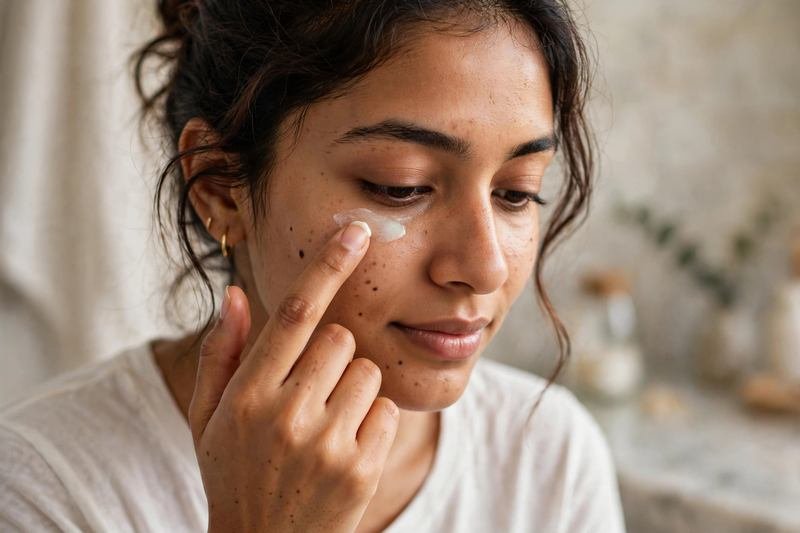
A practical routine does not need to be complicated. In the morning, cleanse gently, apply a vitamin C or niacinamide product around the eyes, follow with moisturizer, and finish with sunscreen around the orbital bone plus sunglasses when you step out. In the evening, remove makeup thoroughly without tugging, apply your eye treatment of choice, and moisturize. Keep retinol-based eye products to nighttime and introduce them gradually.
Consistency matters far more than the number of products. Most brightening ingredients need six to twelve weeks to show visible change. Pick a simple routine, give it three months, and photograph your eyes in the same lighting every few weeks to judge progress objectively.
The Bottom Line
Dark circles are common, multifactorial, and usually manageable rather than curable overnight. Genetics and skin tone set the baseline, but sleep, sun protection, iron levels, allergies, and consistent skincare all move the needle. Fix the lifestyle factors first, add one or two evidence-backed ingredients, and give everything time to work.
If your circles are stubborn, sudden, one-sided, or accompanied by symptoms like fatigue or swelling, skip the home remedies and see a dermatologist or doctor. A professional can identify the exact type of dark circle you have and match the treatment to it, which no cream or internet myth can do on its own.