Pakistan Economic Survey 2024-25: Key Points & Highlights
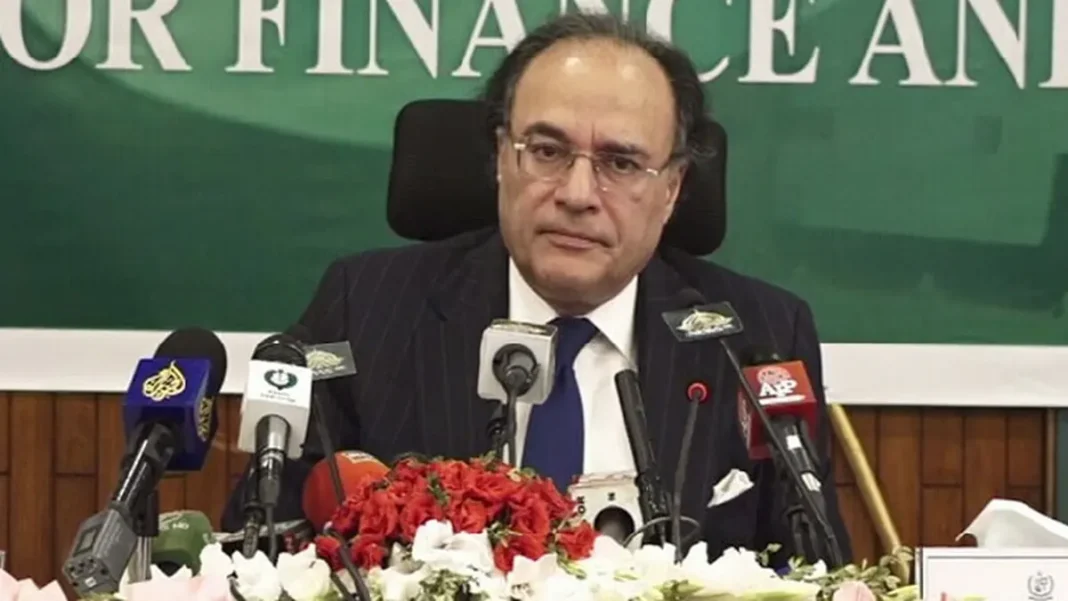
The turnaround year: 2.7% growth, inflation crushed from 29% to 4.6%, and the first current-account surplus in recent memory. This is the Economic Survey 2024-25 — key points from the edition launched 9 June 2025.
Quick answer: The Economic Survey 2024-25 (launched 9 June 2025 by Muhammad Aurangzeb) recorded 2.7% GDP growth (target was 3.6%), 4.6% inflation (down from 29%), a 2.6% fiscal deficit, a $1.9b current-account surplus, $38b remittances (+30.9%) and per capita income of $1,824. The policy rate was cut from 22% to 11%.
In this guide
Key Points
- GDP growth 2.7% — up from 2.5%, below the 3.6% target; 4.2% projected for FY26.
- Inflation 4.6% (Jul–Apr average) — April 2025 hit a historic low of 0.3%.
- Fiscal deficit 2.6% of GDP; primary surplus Rs 3,468.7b (3.0% of GDP).
- Tax revenue +26.3% to Rs 9,300.2b; non-tax revenue +68%.
- Public debt Rs 76,007b ($87b external); debt-to-GDP improved to 73.6%.
- Policy rate 22% → 11%; private-sector credit Rs 681b.
- Exports +7%; IT exports $3.1b; freelancers earned ~$400m.
The Inflation Victory
The standout achievement: inflation fell from a peak of 29% to 4.6%, with April 2025 recording 0.3% — a historic low. The State Bank responded by cutting the policy rate from 22% to 11%, restarting private-sector lending.
External Sector
- Current account: $1.9b surplus — reversing a $1.3b deficit.
- Remittances: $38b (+30.9% Jul–Apr).
- Forex reserves: $16.64b.
- CPEC: 8 transport projects ($6.7b) completed; 888 km of motorways/highways built; New Gwadar International Airport operational.
More: survey guide · 2025-26 survey · GDP growth trend.
Related Guides
Frequently Asked Questions
What was Pakistan’s GDP growth in 2024-25?
2.7% — up from 2.5% the previous year, though below the 3.6% target.
When was the Economic Survey 2024-25 launched?
9 June 2025, by Finance Minister Muhammad Aurangzeb — a day before the federal budget.
What was Pakistan’s inflation in 2024-25?
4.6% on average (July–April), down from 29% at the peak — with April 2025 recording a historic 0.3%.