Pakistan Refinery Upgrade: $5.7bn to Double Petrol Output
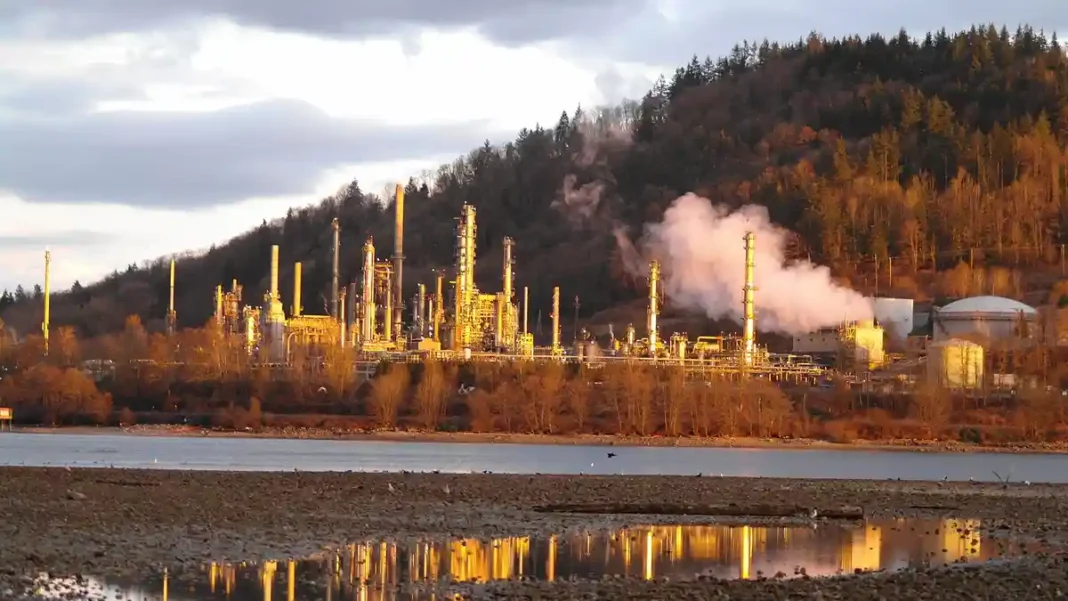
Pakistan plans to spend an estimated $5.7 billion upgrading its five major oil refineries, in a move that could nearly double domestic petrol production and cut the country’s reliance on imported fuel. The Pakistan refinery upgrade would lift daily petrol output from 10,702 tonnes to 21,251 tonnes, while high-speed diesel production would rise by about 47 percent, from 21,237 tonnes to 31,288 tonnes a day, according to a document from the Oil and Gas Regulatory Authority (OGRA) cited by ProPakistani.
The plan would also save about $1 billion in foreign exchange each year, and all five refineries would raise their petrol and diesel to Euro-V standards.
What the Pakistan refinery upgrade will deliver
The five refineries in the plan are Attock Refinery, Pakistan Refinery Limited (PRL), National Refinery Limited (NRL), Cnergyico and Pak-Arab Refinery Company (PARCO). Each plant has its own budget and completion date.
| Refinery | Investment | Completion |
|---|---|---|
| Pakistan Refinery Limited | $1.7 billion | 2028 |
| PARCO | $1.4 billion | 2029 |
| National Refinery Limited | $1 billion | 2029 |
| Cnergyico | $1 billion | 2030 |
| Attock Refinery | $600 million | 2029 |
PRL carries the largest single investment at $1.7 billion, and the earliest finish, in 2028. PARCO, NRL and Attock Refinery are due to finish in 2029, and Cnergyico in 2030. The total bill is about Rs1,600 billion.
Why the upgrades matter for fuel imports
Pakistan still buys a large share of its fuel from abroad, so the gap between what local refineries make and what the country uses is wide. In a written reply to the Senate in October, the government said domestic refineries produced an average of 7,035 tonnes of petrol a day between July and September, against sales of 21,583 tonnes a day. Diesel output averaged 14,065 tonnes a day, against sales of 16,866 tonnes. Imports fill the rest.
The upgrades would narrow that gap. Petrol output of 21,251 tonnes a day would come close to current sales, and diesel output of 31,288 tonnes would pass them. That is the basis for the estimated $1 billion a year saving.
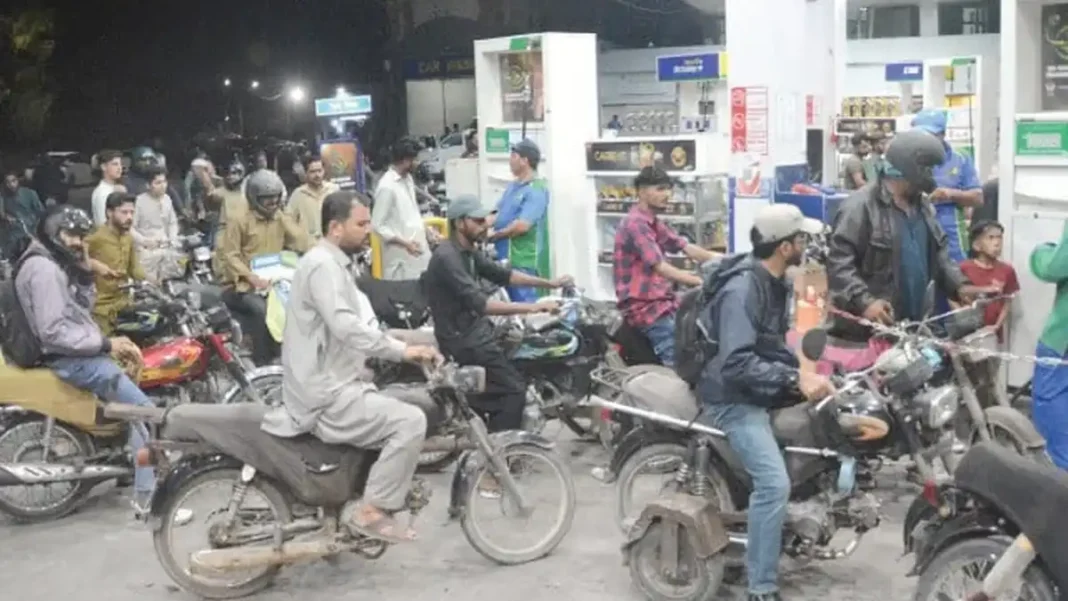
The timing also matters for drivers. Petrol now costs Rs318 a litre and high-speed diesel Rs353, after the latest price revision took effect on November 25. Cleaner Euro-V fuel would also cut sulphur in exhaust fumes, which would help air quality in cities where traffic is the main source of pollution.
Refineries have had a hard run on returns. Petrol refining margins turned negative in early November, falling to negative $1 a barrel on a seven-day average basis as of November 6, according to Topline Research. The upgrades aim to shift output towards higher-value petrol and diesel and away from furnace oil, improving the product mix once the plants are modernised.
What happens next
The plan builds on the Brownfield Petroleum Refining Policy, which the government approved in July 2026 to push existing refineries to modernise. Reports in September said four refineries had signed upgrade agreements under the policy, while PARCO had yet to sign. The OGRA document now puts PARCO’s upgrade at $1.4 billion, taking the combined total to $5.7 billion.
Energy investment is a live priority for the government. Pakistan and China agreed this week to fast-track energy projects, including fuel storage and an LPG plant, after talks between the petroleum minister and the Chinese ambassador. The government has also moved to tighten oversight of the fuel sector: the prime minister has ordered the recovery of Rs24.4 billion in tax irregularities found at oil marketing companies.
One note of caution remains. The projections come from an OGRA document, and the timing of its release could not be independently confirmed. The figures are projections, not completed work, and the plants must still secure financing and build on schedule. The first test comes in 2028, when PRL is due to finish.
Frequently asked questions
How much will Pakistan spend on refinery upgrades?
An estimated $5.7 billion, or about Rs1,600 billion, across five refineries, according to an OGRA document reported on November 25.
Which refineries will be upgraded?
Attock Refinery, Pakistan Refinery Limited, National Refinery Limited, Cnergyico and PARCO, the five major refineries in the country.
How much will petrol production rise?
Daily petrol output is projected to rise from 10,702 tonnes to 21,251 tonnes, nearly double the current level. Diesel output is projected to rise by about 47 percent, from 21,237 tonnes to 31,288 tonnes a day.
When will the upgrades be complete?
The projects are due to finish between 2028 and 2030. PRL is set to finish first, in 2028, and Cnergyico last, in 2030.
What is Euro-V fuel?
Euro-V is a fuel quality standard that limits sulphur to 10 parts per million. It burns cleaner than older grades and cuts harmful emissions from vehicles.