Petrol Price Rs314, Diesel Rs348 From November 26
The petrol price falls to Rs314 a litre from Thursday, November 26, after the government cut it by Rs4 a litre. High-speed diesel will fall by Rs5 a litre to Rs348. The Oil and Gas Regulatory Authority (OGRA) issued the notification on Wednesday, November 25, and Dawn reported the new rates the same evening.
The cut takes diesel below Rs350 for the first time in four months. Both fuels have now fallen below their July 18 levels, when petrol stood at Rs316.15 a litre and diesel at Rs354.35.
The new rates apply for 24 hours only. The government has been revising fuel prices on a near-daily basis since July 17, in line with movements in international oil prices.
Second cut in two days
This is the second cut in two days. On Tuesday, November 24, the government had already reduced petrol by Re1 a litre to Rs318 and diesel by Rs4 a litre to Rs353. The Express Tribune reported the same new rates for November 26. Those rates took effect on Wednesday morning, November 25, and lasted less than a day.
Taken together, petrol has fallen by Rs5 a litre since November 24, when it stood at Rs319. Diesel has fallen by Rs9 a litre in the same period, from Rs357 to Rs348.
The back-to-back cuts follow a fall in international crude prices. Brent crude eased to its lowest level in about three months this week, and the lower import cost is now passing through to pump prices in Pakistan.
Diesel below Rs350 for first time in four months
The diesel cut matters most for freight and farming. Diesel powers heavy road transport, inter-city freight, agricultural tube wells, power plants and large generators. A Rs5 cut saves Rs500 on every 100 litres, so transporters and farmers feel it at once.
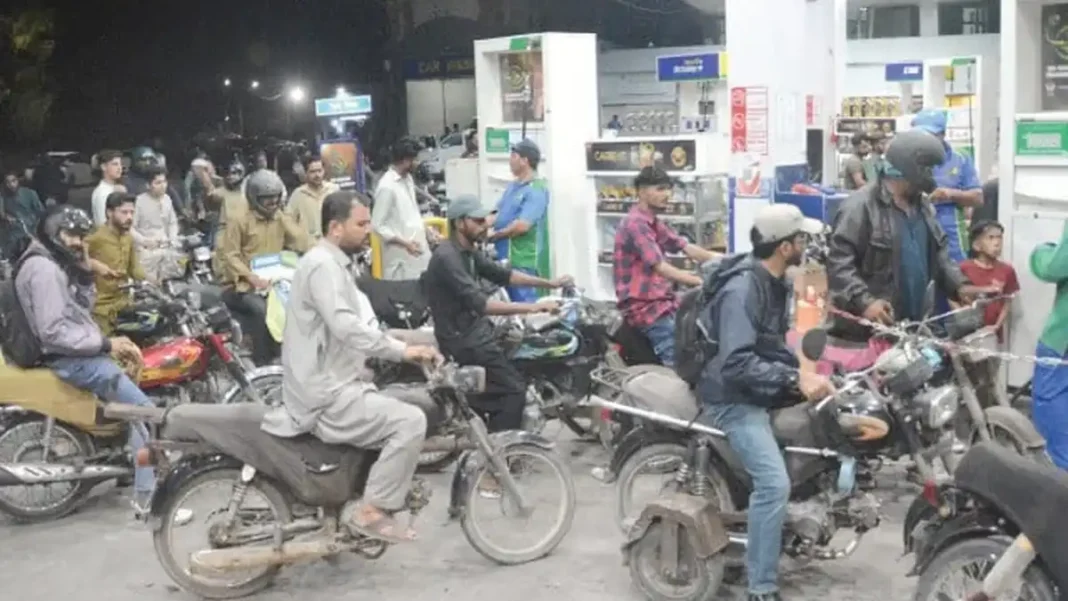
Petrol is used mainly in private cars, small vehicles, rickshaws and two-wheelers. A Rs4 cut saves Rs160 on a 40-litre fill. That relief lands directly on middle and lower-middle income households, who spend a large share of their budgets on fuel.
The taxes and duties on both fuels stay unchanged. The government continues to levy Rs114 a litre in taxes and duties on petrol and Rs100 a litre on diesel.
Why the petrol price is falling now
Fuel prices in Pakistan have moved sharply this year. Diesel rose from Rs281 a litre after the United States-Iran war broke out on February 28, and it peaked at Rs520.35 on April 3. Petrol climbed from Rs266 in the first week of March to a peak of Rs458.41 on April 3.
Since July 17, the government has revised prices on a near-daily basis, after the cabinet and the prime minister gave OGRA the job of setting fuel prices each day on international market trends. Before that, the government had announced weekly revisions since early March.
A second factor is holding prices down. Under an arrangement announced on November 2, oil refineries will contribute to the petroleum levy by bearing a cumulative impact of Rs15 billion over 30 days. The government says this allows a Rs14.71 reduction in the petrol price at the consumer end.
Pakistan is separately investing $5.7 billion to upgrade five oil refineries, a plan that would nearly double domestic petrol output. Pakistan and China have also agreed a fuel storage terminal plan with Beijing, which would strengthen supply security.
Relief scheme and austerity stay in place
The government rolled out the Prime Minister’s Fuel Relief Scheme on September 17 to ease the burden of high fuel prices. The subsidy applies to owners of motorcycles, rickshaws and vehicles of up to 800cc.
At the same time, the government has reintroduced a set of austerity measures in response to rising fuel prices. Markets must close by 9pm, and fuel allocations for official vehicles have been cut by 50 per cent for three months.
The relief is real but short-lived by design. Under the daily pricing system, the next revision is due on Thursday night, so Wednesday’s rates apply for November 26 only. If international prices rise again, pump prices will follow at the next revision.
Fuel theft remains a pressure point on the supply chain. Thieves stole 49,000 litres from a PSO pipeline in Islamabad, a case officials uncovered after noticing a steady drop in pipeline pressure. The fuel cut also comes as food prices keep rising, with November inflation projected at 9.8 per cent on the back of dearer wheat, tomatoes and other staples.
For now, motorists filling up on Thursday will pay less than they did on Wednesday. Diesel users, who have waited four months for the price to fall below Rs350, will see the biggest change.
Frequently asked questions
What are the new petrol and diesel prices?
Petrol will cost Rs314 a litre and high-speed diesel Rs348 a litre from Thursday, November 26, 2026. Petrol is down Rs4 a litre and diesel is down Rs5 a litre.
When do the new fuel prices take effect?
The new rates take effect from midnight on Wednesday night, November 25, and apply for Thursday, November 26, only. The next revision under the daily pricing system is due on Thursday night.
How much have fuel prices fallen in two days?
Petrol has fallen by Rs5 a litre since November 24, when it stood at Rs319. Diesel has fallen by Rs9 a litre in the same period, from Rs357 to Rs348.
Why is diesel below Rs350 significant?
Diesel has not been below Rs350 for four months. It is also below its July 18 rate of Rs354.35 a litre. Diesel powers heavy transport, freight and farm tube wells, so the cut lowers costs across the supply chain.
Have taxes on fuel changed?
No. The government still levies Rs114 a litre in taxes and duties on petrol and Rs100 a litre on diesel. The cut comes from lower international prices and the refinery levy arrangement.