Rajnath Singh warns Pakistan that any further terrorist attack originating from its territory would trigger a bigger Indian military strike than New Delhi’s previous operations.
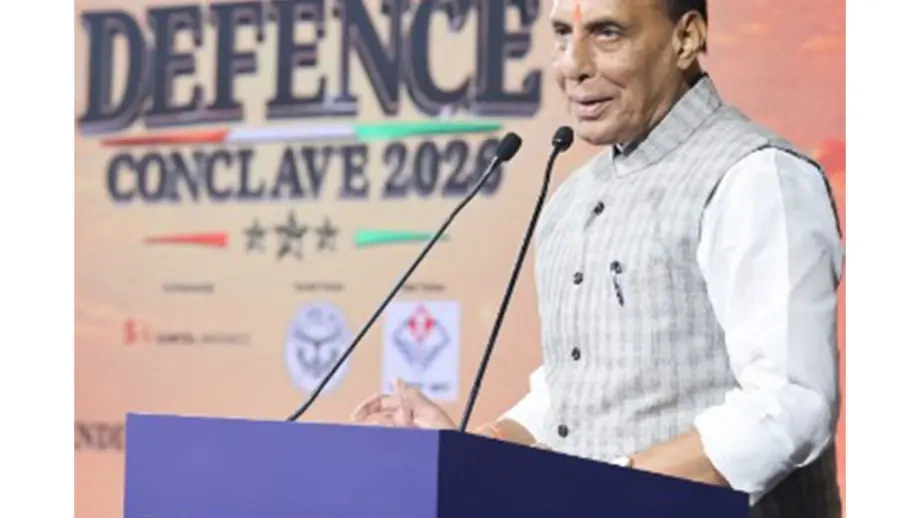
The Indian defence minister issued the warning on Thursday while addressing the Times Network National Defence Conclave 2026 in New Delhi. He said India’s commitment to peace should not be mistaken for weakness, and that strength remained essential to maintaining it.
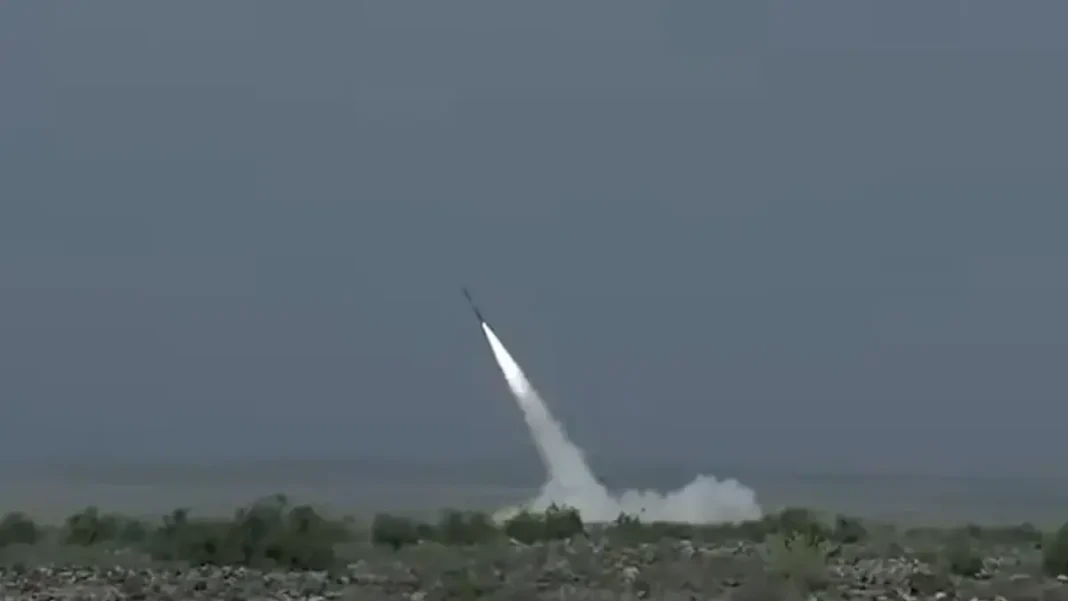
Singh pointed to the 2016 surgical strikes, the 2019 Balakot airstrikes and Operation Sindoor as evidence of what he called a decisive shift in India’s approach. He said New Delhi had moved from diplomatic condemnation to direct military action against suspected militant targets.
Why Rajnath Singh warns Pakistan of a bigger strike now
The minister argued that each past operation had been larger than the one before it, and said the pattern would continue if India faced another attack it linked to Pakistani soil.
He recalled the surgical strikes that followed the 2016 Uri attack, the Balakot airstrikes after the 2019 Pulwama bombing, and Operation Sindoor, which India launched after civilians were killed in Pahalgam last year. According to Singh, the three operations together marked a permanent change in doctrine.
“Operation Sindoor, Balakot airstrikes and surgical strikes weren’t just military operations,” he said. “They symbolised a decisive shift in the nation’s approach, moving from diplomatic condemnation to proactive action aimed at rooting out terrorism by reaching its very source.”
He claimed that since 2014, the average “shelf life” of militants operating against India had fallen to less than a year. Indian security forces, he said, were neutralising most of them within a year of their taking up arms.
India’s defence ministry later confirmed his remarks in an official statement, repeating the warning of a stronger response to any future attack blamed on Pakistan.
What the warning means for Pakistan
For Pakistan, the statement amounts to an explicit threat of escalation beyond the scale of the 2025 military confrontation between the two nuclear-armed neighbours. Singh’s framing suggests New Delhi now treats cross-border strikes as a standing policy option rather than an exceptional response.
Islamabad has consistently rejected Indian allegations linking it to militant attacks, and past Indian claims of surgical strikes have been disputed by Pakistan. There was no immediate official response from Islamabad to Thursday’s remarks at the time of writing.
The warning also lands at a sensitive moment for regional security. Pakistan’s own security establishment remains stretched by a sharp rise in militancy inside the country, and any miscalculation along the eastern border would carry far wider consequences. Readers following the broader rivalry can track related developments in our latest news on India and Pakistan.
The 5D threat doctrine and Captain Machhar’s mention
Singh used the conclave to outline what he termed the “5D Security Threat”: disinformation, destabilisation, disruption, deception and destruction. He cautioned that terrorism was evolving beyond organised groups to include lone-wolf attacks and what he described as “white-collar terrorism”.
He stressed the need for heightened vigilance amid hybrid, high-tech and hyper warfare, and said India’s cultural ethos favoured dialogue and coexistence while remaining prepared for war when necessary to protect the nation.
The minister also praised Captain Smit Machhar for averting what he described as a potential tragedy in a recent incident involving a co-pilot who allegedly attempted to crash a passenger aircraft. He said the episode showed that individual resolve could defeat terror.
When did Rajnath Singh issue the warning?
He spoke on Thursday, October 15, 2026, at the Times Network National Defence Conclave in New Delhi.
What did he say would trigger a bigger strike?
Any further terrorist activity that India links to Pakistani territory, he said, would invite an even stronger military response than previous operations.
Which past operations did he cite?
The 2016 surgical strikes after the Uri attack, the 2019 Balakot airstrikes after Pulwama, and Operation Sindoor after the Pahalgam killings last year.
Has Pakistan responded?
There was no immediate official response from Islamabad at the time of writing.