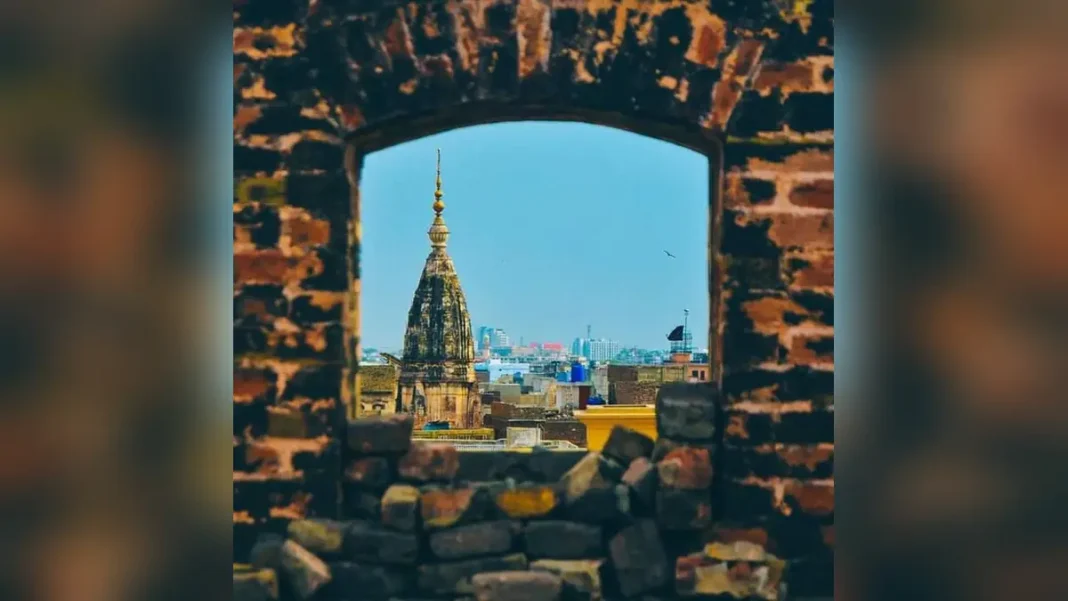
Rawalpindi Walled City Gets Protected Heritage Status
The Punjab cabinet has granted protected heritage status to the Rawalpindi Walled City, clearing the way for a Rs5.886 billion project to restore its historic markets and buildings to their original condition.
The decision came at the 38th meeting of the provincial cabinet, chaired by Chief Minister Maryam Nawaz on Wednesday, ARY News reported. The Tourism, Archaeology and Museums Department will carry out the Heritage Conservation and Urban Revitalisation of Walled City Rawalpindi project.
Eight landmarks have been added to the protected heritage list. They are the Bagh Sardaran Complex, Central Jamia Mosque, Haveli Sujan Singh, Haveli Mohan Singh, Krishna Temple, Haveli Durga Niwas, Kalyan Das Temple and Khurshid Cinema. The protected assets cover 2,546 kanals and six marlas, including Jamia Masjid Road, Purana Qila Bazaar, Sarafa Bazaar, Bhabra Bazaar and Bagh Sardaran Road.
What the Rawalpindi Walled City project will restore
The project aims to restore the historic buildings to their original condition and improve their external facades. It will also develop pedestrian-friendly streets, install underground electricity cables and rehabilitate public spaces across the old city.
Haveli Sujan Singh is among the best known buildings on the list. The four-storey haveli was built in 1890 by Sikh political figure Sardar Sujan Singh in Bhabra Bazaar. It has 45 spacious rooms with English tiles and Kashmiri wood carvings, and its front veranda and central entrance still give it a majestic appearance.
Kalyan Das Temple in Kohati Bazaar is another landmark on the list. It was built in 1850 by a wealthy Hindu resident of Rawalpindi, Kalyan Das of the Suri family, and ranks among the largest temples in the garrison city. The Central Jamia Mosque, Krishna Temple and the old cinemas and havelis of the area complete a streetscape that reflects the Mughal, Sikh and British periods of the city.
Why protection matters now
The decision follows years of warnings that the old city’s heritage was slipping away. Dawn reported on November 9 that the historic buildings of Rawalpindi were crumbling amid official apathy, and that none of them had been declared a national heritage site. The report noted that the land attached to temples and gurdwaras was being lost to encroachments, while rapid urbanisation had obscured much of the area’s historic character.
A senior official of the Evacuee Trust Property Board told Dawn that more than 1,000 buildings in the district were under the board’s administrative control, but limited funds had left it able to do little more than protect the properties from encroachment and maintain their records.
Punjab Archaeology Director General Zaheer Abbas Malik told Dawn at the time that the government had devised a complete heritage city plan covering temples and other historic structures. The cabinet has now acted on the recommendation of the Directorate General of Archaeology and given that plan legal force.
What happens next
Work is already moving. Contractors are being prequalified for Package II of the heritage conservation and urban revitalisation project, estimated at about Rs3.5 billion, with applications due through the Punjab e-Procurement System by November 27.
The same cabinet meeting approved 3,080 prison department jobs and 50 AI-powered electric vehicles for police, and reaffirmed the plan to introduce 5,000 electric buses across Punjab. Punjab has also expanded its welfare schemes this month, with Himmat Card registration open for people with disabilities across the province.
The Punjab Assembly has also debated welfare spending this week after unspent funds triggered an uproar in the house. Rawalpindi’s protected list joins a growing set of heritage sites drawing visitors in Punjab, including Dai Anga’s Mosque in Lahore, which Feature Pakistan covered in a travel guide.
Frequently asked questions
Which buildings in Rawalpindi’s Walled City are now protected?
The protected list covers the Bagh Sardaran Complex, Central Jamia Mosque, Haveli Sujan Singh, Haveli Mohan Singh, Krishna Temple, Haveli Durga Niwas, Kalyan Das Temple and Khurshid Cinema.
How much will the restoration project cost?
The Heritage Conservation and Urban Revitalisation of Walled City Rawalpindi project is estimated to cost Rs5.886 billion.
Who will carry out the restoration work?
The Tourism, Archaeology and Museums Department of Punjab will execute the project.
What area does the protected Walled City cover?
The historic assets cover 2,546 kanals and six marlas, including Jamia Masjid Road, Purana Qila Bazaar, Sarafa Bazaar, Bhabra Bazaar and Bagh Sardaran Road.
Why did the Walled City need protected status?
Its Mughal, Sikh and British-era buildings had fallen into disrepair, with encroachments eating into temple and gurdwara land, and none of them held protected status before this decision.