Rana Sanaullah: Referendum on New Provinces Needs Consensus
Adviser to the Prime Minister on Political Affairs Rana Sanaullah said on Sunday that the decision to hold a referendum on new provinces must be based on consensus. He warned that a disputed exercise would not benefit the country.
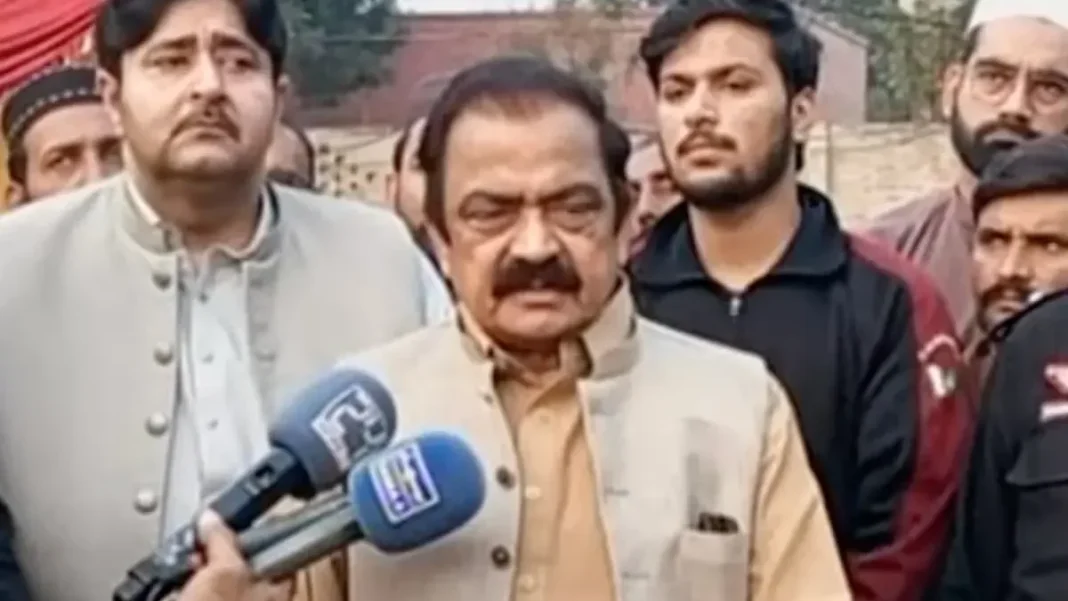
Speaking to reporters in Faisalabad, Sanaullah defended seeking the people’s guidance on creating fresh administrative units. “There is no harm in taking guidance from the people [..] nothing could be better; however, if the referendum is disputed, its results will not benefit the country, and that is why the decision for referendum should be based on consensus,” he said.
Dawn reported that Parliamentary Affairs Minister Tariq Fazal Chaudhry insisted last week that a referendum “will happen”, while Defence Minister Khawaja Asif said discussions were expected to take a “definitive shape” by the end of this year, with the process likely to move forward early next year.
What a referendum on new provinces would decide
A proposal to redraw Pakistan’s administrative map into 12 provinces is under consideration, with a nationwide referendum envisaged before a possible 28th Constitutional Amendment. Under the plan reported by Geo News, Punjab could be divided into four provinces, Khyber Pakhtunkhwa and Balochistan into three each, and Sindh into two.
The amendment could be taken up in the first half of 2027, with preparatory steps possibly beginning in the first quarter. No final decision has been taken on boundaries, administrative structures or the constitutional process. Supporters say the aim is to bring government closer to citizens and improve services, while the referendum would establish a popular mandate before parliament takes up the matter.
Interior Minister Mohsin Naqvi first floated the referendum idea on November 12, after calling in July for new administrative units on the grounds that the governance system had collapsed and needed a reset. The Sindh Assembly passed a resolution on September 3 rejecting attempts to divide the province, and Chief Minister Murad Ali Shah has said there will be no compromise on Sindh’s geographical unity.
Why the PPP is opposed
The PPP has resisted the idea. Its chairman, Bilawal Bhutto-Zardari, said in a speech on Tuesday that a referendum on new provinces would be unconstitutional, and warned that any forced attempt to divide provinces, particularly Sindh, could lead to bloodshed. Bilawal has backed a South Punjab province while opposing a four-way split of the country.
On Saturday, a PML-N delegation led by Deputy Prime Minister Ishaq Dar met Bilawal in Islamabad ahead of the National Assembly and Senate sessions. President Asif Ali Zardari held a separate meeting with Interior Minister Mohsin Naqvi in Lahore. PPP leaders told Dawn the coalition would stay intact, but added that the party would judge government bills one by one. “No blanket agreement. We never had that. We will see bill by bill,” a PPP leader said.
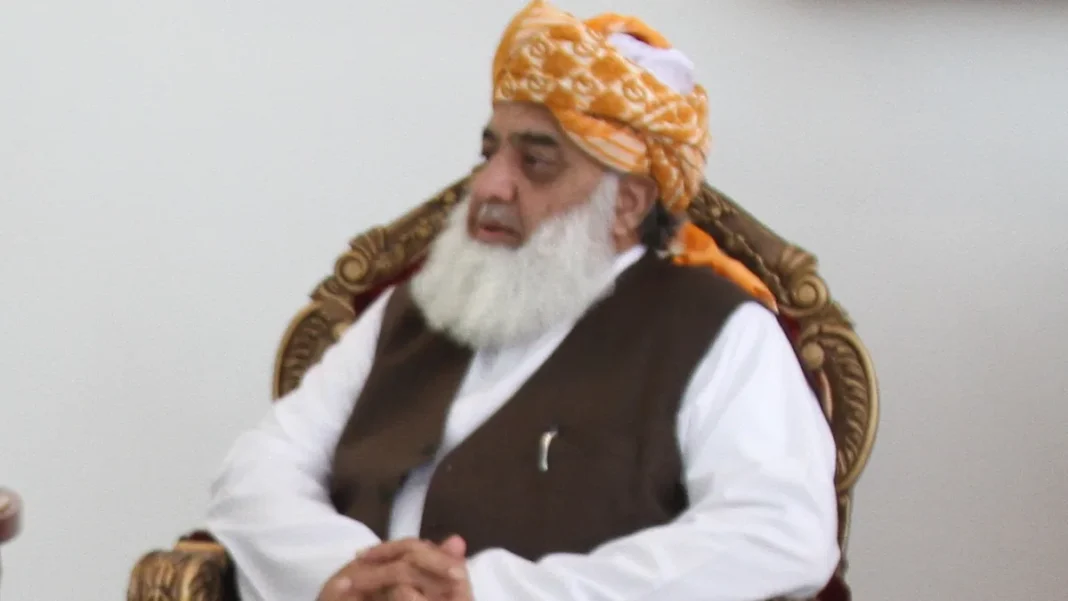
Bilawal also telephoned JUI-F chief Maulana Fazlur Rehman after the meeting to express solidarity over the alleged raid on his residence. The JUI-F has backed Bilawal’s opposition to a referendum, warning that it could be misused.
Support from the PTI and MQM-P
The PTI has backed a referendum. Its chief whip, Aamir Dogar, told reporters outside Parliament House that the people’s opinion should prevail, and noted that a separate South Punjab province had been part of the party’s 2018 election manifesto. He added that the party’s final position would be decided by Imran Khan, and that it would not take a stand until a draft was formally presented in parliament.
The MQM-P has also called for a nationwide referendum, proposing that it be held before the start of 2027. Shahid Khaqan Abbasi has warned that a referendum on new provinces needs a clear roadmap, and Awaam Pakistan’s own party council has backed the creation of new provinces.
What happens next
The debate now moves to parliament. The National Assembly is set to meet on December 1, and the government is reaching out to parliamentary parties to build support. A political coordination committee of senior leaders is expected to hold consultations, and a national political conference has also been proposed. President Zardari has also been meeting political leaders in Lahore, and his meeting with PML-Q chief Chaudhry Shujaat Hussain was part of that outreach.
For now, the positions are clear. The government says a referendum is a legal and constitutional way to gauge public opinion. The PPP says it will not accept a forced division of Sindh. Sanaullah’s message adds a condition both sides may have to accept: no vote without agreement first.
Frequently asked questions
What did Rana Sanaullah say about the referendum?
He said the decision to hold a referendum on new provinces must be based on consensus, warning that a disputed exercise would not benefit the country.
What is the proposal for new provinces?
A proposal under consideration would redraw Pakistan into 12 provinces, with a nationwide referendum before a possible 28th Constitutional Amendment.
Why does the PPP oppose the referendum?
Bilawal Bhutto-Zardari has called the referendum unconstitutional and warned that a forced division of Sindh could lead to bloodshed. The party says it will judge government bills one by one.
Which parties support a referendum?
The PTI and the MQM-P have backed a public vote, while the PML-N government says a referendum is a legal and constitutional way to gauge opinion.
When could the process move forward?
Defence Minister Khawaja Asif has said discussions could take a definitive shape by the end of this year, with the process likely to move forward early next year.