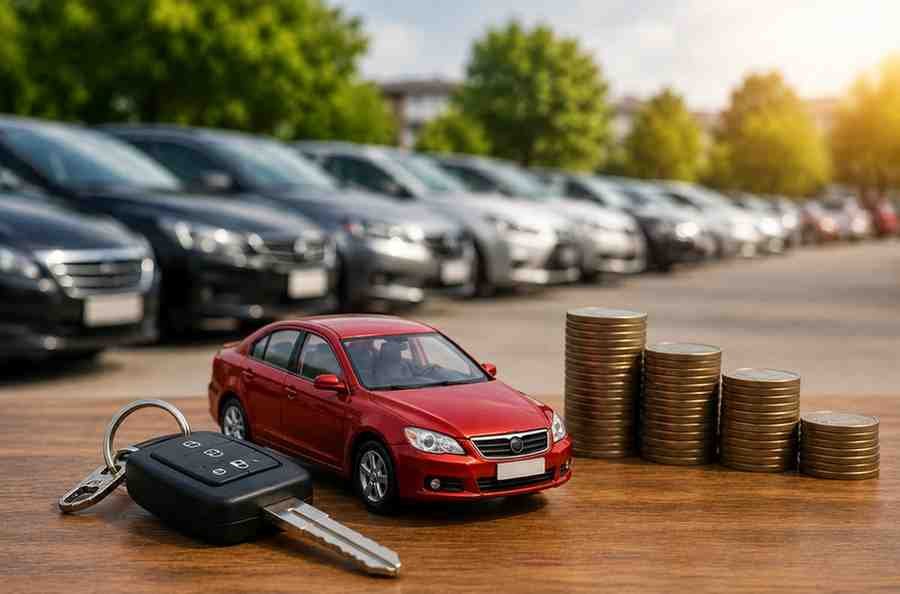
Islamabad: The federal government is preparing major incentives for the auto sector in the upcoming budget, bringing possible relief for car buyers across Pakistan.
Officials are considering several tax reduction proposals to support local vehicle manufacturing and make cars more affordable for consumers. The expected relief for car buyers may also encourage growth in the country’s struggling auto market.
According to sources, the government plans to revise customs duties under the National Tariff Policy. Authorities are reviewing proposals to remove additional customs duties and reduce regulatory duties on different auto-related imports.
Meanwhile, officials are also considering lower customs duty rates for CKD kits used in vehicle assembly. Sources said non-localized parts may face only a 5 percent customs duty, while localized parts could receive a 10 percent rate.
Experts believe these measures can increase local production and create long-term relief for car buyers by reducing manufacturing costs.
In addition, the government may expand the Electric Vehicle Policy to include all new energy vehicles, rather than focusing solely on battery-electric vehicles. The updated policy may cover electric, plug-in hybrid, range-extended, and fuel cell vehicles.
The expected relief for car buyers may also extend to electric bikes and rickshaws. Sources revealed that local manufacturers could receive special incentives for assembling a limited number of electric vehicles and bikes.
Furthermore, each company may receive concessional duty benefits for up to 100 vehicles under the proposed policy. Authorities may keep these incentives active until June 30, 2027.
The government is also considering preferential protection for locally assembled electric vehicles compared to fully imported vehicles. Industry experts say this decision can strengthen domestic manufacturing and improve investment opportunities.
At the same time, proposals are under discussion to keep average tariffs on locally produced vehicles below 6 percent. Officials are also reviewing plans to reduce tariffs on imported petrol-powered vehicles gradually.
The Pakistan Automotive Parts and Accessories Manufacturers Association has welcomed the proposed reforms. The association has recommended exempting electric bikes, vehicles, and rickshaws from certain duty conditions.
Moreover, the association suggested separate tax categories for different types of new energy vehicles. Under the proposal, battery electric vehicles may face only a 1 percent tax, while hybrid and plug-in hybrid vehicles could face a 9 percent tax.
Analysts believe these policy changes can provide significant relief to car buyers and boost confidence in Pakistan’s automobile sector in the coming years.