

The global passport ranking 2026 has once again highlighted the growing gap between countries with strong travel freedom and those facing restrictions. According to the latest report, Singapore continues to dominate the list, while Pakistan remains among the weakest passports globally. This ranking provides a clear picture of how international mobility depends heavily on political stability and global relations.
To begin with, Singapore has successfully maintained its top position. Its citizens can travel to 192 countries without a visa, which reflects strong diplomatic ties and consistent economic growth. Moreover, this level of access makes Singapore’s passport the most powerful in the world. As a result, it sets a benchmark for other countries aiming to improve global mobility.
Meanwhile, Japan, South Korea, and the United Arab Emirates jointly hold the second position. These countries offer visa-free or visa-on-arrival access to 187 destinations. In addition, their steady rise in recent years shows how strategic international partnerships can enhance passport strength. Similarly, Norway and Switzerland follow closely, allowing access to 185 countries, which further reinforces Europe’s strong presence in global rankings.
Furthermore, the report emphasizes that European countries continue to lead overall. On average, European Union nations provide access to around 183 destinations. Interestingly, this level matches countries like Malaysia and the United Kingdom. Therefore, it becomes evident that stable governance and strong economies contribute significantly to higher rankings.
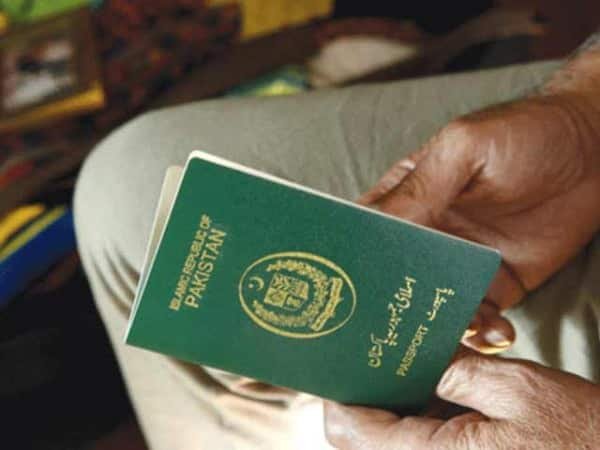
On the other hand, the situation looks very different for countries at the bottom of the list. Afghanistan ranks last, with access to only 23 countries. Subsequently, Syria and Iraq follow as the second and third weakest passports. In comparison, Pakistan stands at the fourth position among the weakest passports in the global passport ranking 2026, which highlights serious travel limitations for its citizens.
In particular, Pakistani passport holders face strict visa requirements for most countries. This restriction affects not only tourism but also business opportunities and international education. Consequently, it limits global exposure and slows economic interaction with other nations.
Experts further explain that several factors contribute to weak passport rankings. Political instability plays a major role, as it reduces trust among nations. In addition, security concerns and ongoing conflicts discourage countries from offering visa-free access. Moreover, rising migration trends also influence visa policies, making travel more difficult for citizens of certain regions.
At the same time, economic conditions cannot be ignored. Countries with stronger economies tend to build better diplomatic relationships, which directly improves their passport strength. Therefore, improving internal stability and international cooperation remains essential for countries like Pakistan.
The global passport ranking 2026 clearly shows how global mobility depends on more than just travel documents. Instead, it reflects a country’s political strength, economic stability, and international reputation. As the gap between powerful and weak passports continues to widen, nations must focus on long-term stability and diplomacy to improve their global standing.