Siemens Power Academy Opens at NED University
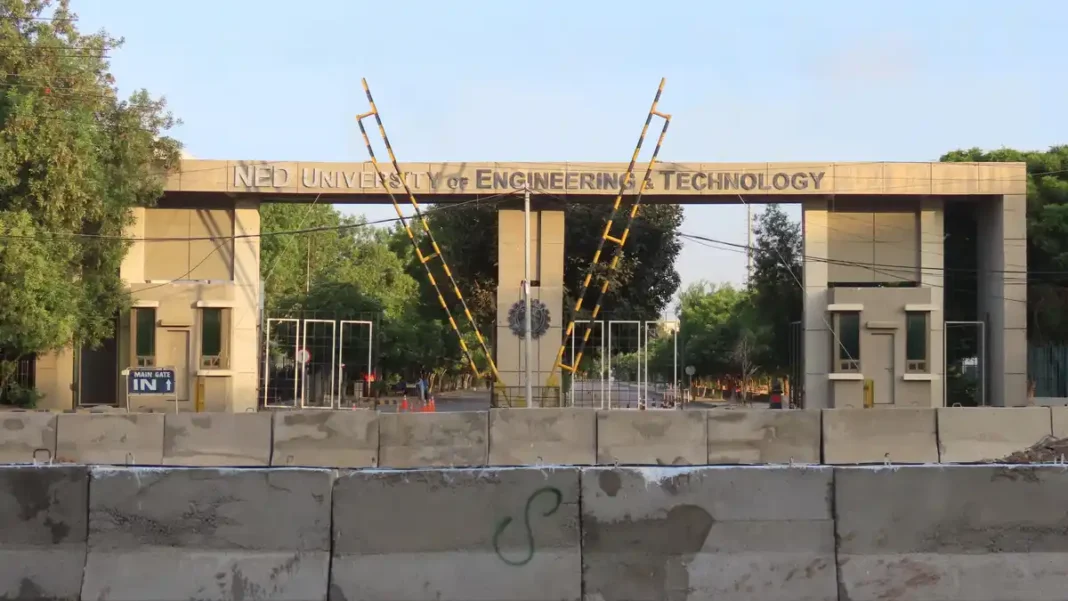
Sindh Chief Minister Murad Ali Shah inaugurated Pakistan’s first university-based Siemens Power Academy at NED University of Engineering and Technology in Karachi on Wednesday, November 25. The academy has been set up through a partnership between Siemens Pakistan and the university, and it will offer specialised technical training and certification to students, customers and industry professionals. Dawn reported the inauguration on Thursday, November 26.
The academy is the first of its kind at an engineering university in Pakistan, and it joins Siemens’ global network of 29 power academies across 28 countries. NED traces its roots to an engineering college founded in 1921 and became a university in 1977, so the partnership places a global training model inside one of the country’s oldest engineering institutions.
What the Siemens Power Academy will teach
The academy will offer training and certification in medium-voltage systems, electrical protection, power quality, substation automation, digital substations, grid planning, operations and cybersecurity. The programmes will also cover AI-enabled technologies, digital twins and connected systems, and they will run in standard, customised, classroom, virtual, digital and blended learning formats.
Students will get access to Siemens technology and practical, industry-relevant learning during their university education, while customers and industry professionals will be able to take the same training for certification. The aim is continuous workforce development, so working engineers can keep updating their skills as power systems change.
The course list reflects how power engineering has changed. Substation automation and digital substations now sit beside older subjects such as electrical protection, and cybersecurity has become part of grid work as control systems connect to networks. Grid planning and power quality, once treated as separate fields, are now taught as parts of the same system.
Why the chief minister backed the project
Speaking at the inauguration, the chief minister said the initiative represented the kind of collaboration needed to bridge the gap between academic learning and industrial practice, enabling graduates to meet the demands of a rapidly changing global economy.
He said he began his career as an engineer with Wapda and later worked at Port Qasim. These experiences taught him that engineering was not merely about classroom learning or designing on paper but about applying knowledge to real-world challenges, understanding ground realities and taking responsibility for decisions.
“That is precisely the kind of practical exposure I want our young people to receive during their university education,” he said. He welcomed the Siemens Power Academy and urged more companies to follow suit.
Siemens in Pakistan
The academy follows Siemens’ wider engagement with Pakistan. In October, Siemens pledged stronger support for Pakistan’s healthcare sector after a meeting between President Asif Ali Zardari and company officials in Berlin. The new academy extends that engagement from healthcare into engineering education and power sector training.
In his remarks, Siemens Pakistan MD and CEO Syed Muhammad Daniyal said the initiative was aimed at looking beyond present industrial requirements and preparing young professionals for the technological challenges of the future.
Paul Fairweather, MD of the Electrification and Automation Business Unit at Siemens Middle East, said, “What makes Pakistan unique is that we are taking a global Siemens training model into a university for the first time. This creates an opportunity to invest in people at every stage, from the professionals driving today’s infrastructure to the engineers who will shape its future.”
German Consul General Thomas E. Schultze also addressed the gathering as guest of honour, highlighting the longstanding cooperation between Germany and Pakistan. Earlier, Vice Chancellor Prof Muhammad Tufail Jukhio welcomed the establishment of the academy, describing it as an important step towards bringing universities and industry closer together.
More technical training on the way
The academy is not the only new route into technical work. A Pakistan-China technology institute is planned for Gwadar port, bringing a second industry-linked training option for young engineers. A free chip design training programme offers a monthly stipend of Rs50,000, giving students a paid way to build hardware skills.
Education policy has stayed in focus at the top as well. President Zardari approved 12 bills covering education, science and tourism, showing how closely the federal government is watching the sector. Sindh is also drawing outside support for its development plans. The province signed a $100 million credit guarantee deal with the IFC to back public-private partnership projects.
The academy is now open at NED University, and its courses will be open to students, customers and industry professionals.
Frequently asked questions
What is the Siemens Power Academy at NED University?
It is Pakistan’s first university-based Siemens Power Academy, set up by Siemens Pakistan with NED University of Engineering and Technology in Karachi to provide specialised technical training and certification.
Who inaugurated the academy?
Sindh Chief Minister Murad Ali Shah inaugurated the academy on Wednesday, November 25, 2026.
What will the academy teach?
Training and certification will cover medium-voltage systems, electrical protection, power quality, substation automation, digital substations, grid planning, operations and cybersecurity, with a focus on AI-enabled technologies, digital twins and connected systems.
Who can take the training?
Students at NED University will have access to the training during their education, and customers and industry professionals can also take the courses for certification.
How many Siemens power academies are there worldwide?
The Karachi academy joins Siemens’ global network of 29 power academies across 28 countries. It is the first of its kind based at an engineering university in Pakistan.