Pakistan China Tech Institute Planned for Gwadar Port
Pakistan and China will collaborate on establishing a new engineering and technology institute in Gwadar to train young people in the specialised skills required by the port, shipping and maritime industries. The Pakistan China tech institute will be built through a five-year cooperation framework running from 2026 to 2030.
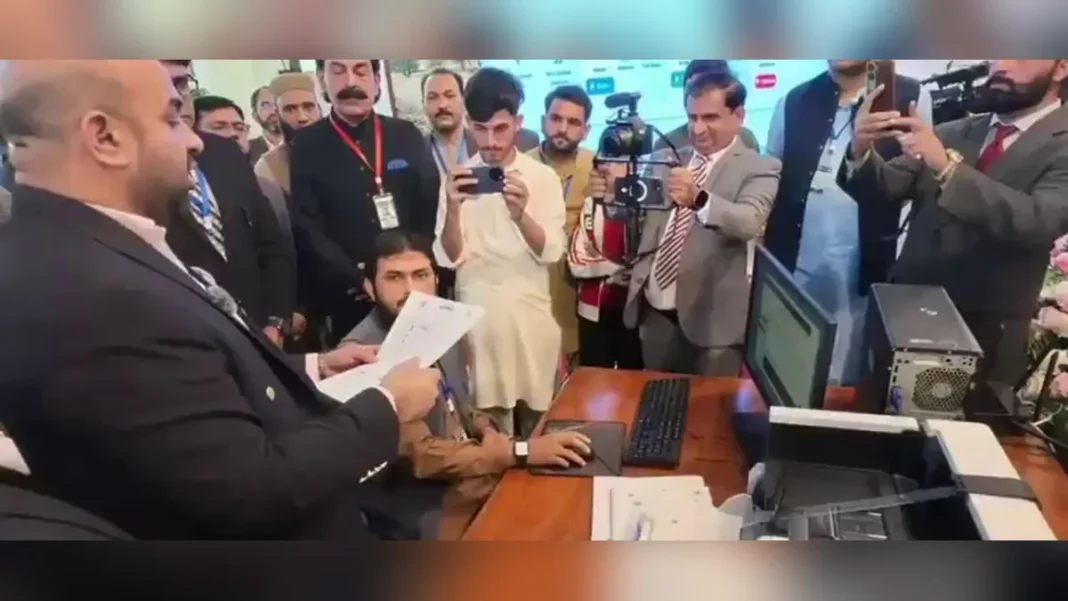
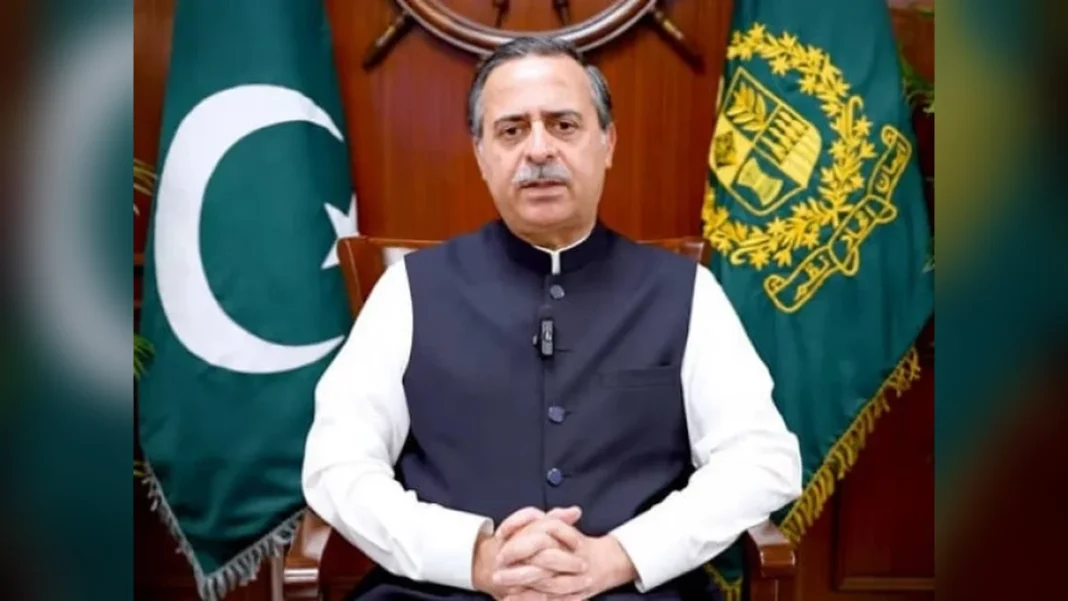
The agreement was announced at a pre-board meeting of the Gwadar Port Authority, where development projects and initiatives to strengthen technical education in the port city were reviewed. Federal Minister for Maritime Affairs Muhammad Junaid Anwar Chaudhry welcomed the initiative and said it would lay the foundation for specialised maritime education, technical training and human resource development.
Who signed the deal
Four institutions signed a memorandum of understanding to establish the Pakistan Overseas Engineering and Technology Institute in Gwadar. They are the Gwadar Port Authority, the Pak-China Technical and Vocational Institute, the University of Gwadar and China’s Qingdao Harbour Vocational and Technical College.
Gwadar Port Authority Chairman Noorul Haq Baloch briefed the meeting on the agreement. The minister said technical education should be aligned with the operational requirements of ports and the maritime industry, so that graduates can move straight into jobs at the port.
The minister described the memorandum as an important milestone in Pakistan-China educational cooperation. He said it would strengthen institutional capacity, promote industry-oriented education and expand professional opportunities for local communities. The Express Tribune reported the agreement.
What the Pakistan China tech institute will teach
The proposed curriculum will cover navigation technology, marine engineering, maritime safety, shipping technology and port machinery. The aim is to prepare students for the changing needs of the shipping and maritime sectors, where ports now need workers who understand both machines and modern logistics.
Under the five-year cooperation framework, the partner institutions will work together on academic programmes, curriculum development, skills training, faculty development, joint research and practical learning. Students will get hands-on experience alongside classroom teaching, rather than theory alone.
The minister stressed the importance of equipping young people in Gwadar and Balochistan with industry-relevant skills. He said technical education would improve employment prospects, support economic growth and develop a skilled workforce for emerging industries.
Why Gwadar needs it
Gwadar is Pakistan’s deep-sea port on the Arabian Sea, and its growth depends on skilled local workers. At present, many of the technical jobs at ports and in shipping go to workers trained elsewhere, because the port city has few specialised training institutes of its own.
The new institute is meant to close that gap. If it works as planned, young people from Gwadar and the rest of Balochistan will be able to train for port jobs without leaving the province. That matters in a province where jobs are scarce and where development projects have often brought in workers from outside.
The government has been pushing development in Balochistan on several fronts. Eleven development projects worth Rs191.8 billion were cleared this month, and a Balochistan investment and trade expo concluded in Quetta this month. The institute adds a skills and education element to that work.
The jobs question is also part of a wider trend. Fewer Pakistanis went abroad for work this year, which makes training for jobs at home more important. Chinese phone maker Transsion is also in talks to expand component manufacturing in Pakistan, another sign that industry wants skilled local workers.
The China link
The Chinese side of the deal brings both a college and a port operator. Qingdao Harbour Vocational and Technical College will help design the curriculum and train faculty, drawing on its experience of running a working port’s training programmes.
The minister also expressed optimism that the Shandong Port Group’s involvement, in collaboration with the University of Gwadar, would strengthen links between industry and academia. Students would gain technical expertise and practical exposure by working with people who run ports for a living.
Field Marshal Munir visited Turbat this month to review the security situation in the region, a reminder that development in Balochistan runs alongside security concerns. The institute’s success will depend on both the training it offers and the stability of the region around it.
What happens next
The five-year framework runs to 2030. The partner institutions will now work on academic programmes, curriculum development and faculty training, with the first courses expected to follow once those plans are in place. No date for admissions has been announced yet.
For the young people of Gwadar, the test will be simple: whether the institute opens its doors, teaches skills the port actually needs, and helps its graduates find work.
Frequently asked questions
What is the Pakistan Overseas Engineering and Technology Institute?
It is a new engineering and technology institute planned for Gwadar, set up by Pakistan and China to train young people in skills needed by the port, shipping and maritime industries.
Who signed the agreement?
The Gwadar Port Authority, the Pak-China Technical and Vocational Institute, the University of Gwadar and China’s Qingdao Harbour Vocational and Technical College signed a memorandum of understanding.
What will students study?
The proposed curriculum covers navigation technology, marine engineering, maritime safety, shipping technology and port machinery.
How long will the cooperation framework run?
The five-year cooperation framework runs from 2026 to 2030 and covers academic programmes, curriculum development, skills training, faculty development, joint research and practical learning.
What role will the Shandong Port Group play?
The minister said the group’s involvement, in collaboration with the University of Gwadar, would strengthen industry-academia linkages by giving students technical expertise and practical exposure.