US may extend processing times for fast-track visa applications
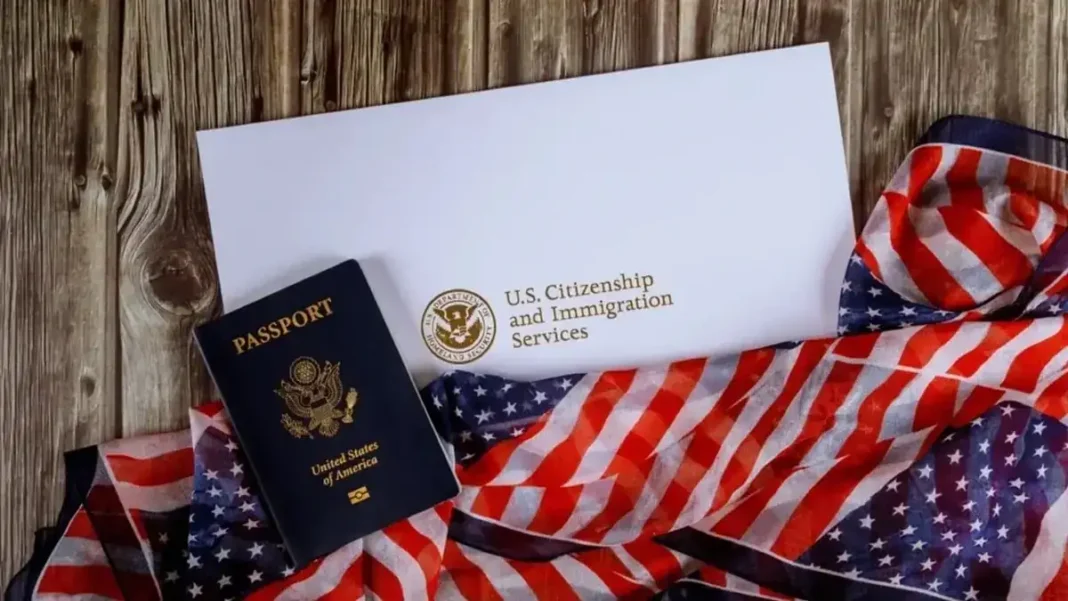
The United States is considering changes to its premium immigration processing system that could lengthen the waiting times for applicants who pay extra fees for faster decisions. ProPakistani reports the proposal is still under review, and its details have not been made public.
The draft rule was submitted to the White House Office of Information and Regulatory Affairs on October 13. It would amend the premium processing deadlines that US Citizenship and Immigration Services (USCIS) must follow. Nothing has been decided yet; the rule must clear White House review, face a public comment period, and be finalised before it can take effect.
What the current deadlines are
Under the existing system, USCIS offers premium processing for certain immigration applications at an additional cost of between $1,780 and $2,965. In return, the agency must act within a fixed window of either 15, 30, or 45 business days, depending on the application type. Acting can mean issuing a decision, requesting additional evidence, or sending a notice of intent to deny.
The longest window, 45 business days, applies to Form I-140 petitions for EB-1C multinational managers and executives, and for EB-2 national interest waivers. Employment authorisation applications filed on Form I-765 by F-1 students seeking optional practical training, along with Form I-539 applications to change status to F, M, or J categories, carry a 30-business-day deadline. Other eligible I-140 petitions and Form I-129 applications sit in the fastest lane, with 15 business days.
The new proposal could stretch these windows, but because the text has not been released, nobody knows by how much or for which categories.
Why this matters for Pakistani applicants
Premium processing matters most to people whose job offers or study plans depend on a quick answer. Pakistani professionals in technology and engineering apply for US employment-based categories such as EB-1C and H-1B (filed on Form I-129), while Pakistani students on F-1 visas rely on optional practical training after graduation. Longer premium processing times would mean paying thousands of dollars in extra fees for less certainty than before.
The change would arrive amid a tougher season for US immigration. Feature Pakistan has previously reported that the US has revoked around 250,000 visas in a sweeping crackdown, expanded social media screening of visa applicants from October 1, and that H-1B visa holders face new difficulties in the country. Earlier this year, reports also raised the question of a possible US visa ban touching Pakistan. Against that backdrop, any loosening of the premium processing guarantee would be one more signal that the paid fast lane is getting slower and less reliable.
USCIS has been missing the current deadlines
According to the report, USCIS has exceeded its premium processing deadlines more frequently in recent months, despite collecting the extra fees. The agency last raised these fees in March 2026 as part of its biennial inflation adjustment. Extending the deadlines rather than meeting them would mean applicants pay more for a guarantee that covers less.
What happens next
After White House review, the proposal will appear in the Federal Register, opening a 30- to 60-day public comment period. After that, USCIS must weigh the comments and issue a final rule, a process the report says could take several months. Nothing changes until the regulation is finalised.
Pakistani applicants planning to use premium processing should watch the Federal Register notice for the actual numbers. Until then, the current deadlines of 15, 30, and 45 business days remain in force. Those applying for a US visit visa from Pakistan should note that premium processing does not apply to visitor visas at all; it covers only the specified employment, student, and change-of-status forms.
Frequently asked questions
What is premium processing for US visas?
It is an optional paid service from US Citizenship and Immigration Services. Applicants pay an extra fee of $1,780 to $2,965 on top of normal filing fees, and USCIS must act on their application within 15, 30, or 45 business days, depending on the form filed.
Which applications have premium processing?
Currently, selected Form I-140 employment petitions, Form I-129 applications (including H-1B), Form I-765 employment authorisation for F-1 students on optional practical training, and Form I-539 change-of-status applications to F, M, or J categories are eligible.
Has the US confirmed it will extend premium processing times?
No. The proposal is still under review at the White House Office of Information and Regulatory Affairs, and its details have not been published. Extension of the deadlines is a possibility being weighed, not a confirmed decision.
When could the change take effect?
Not soon. After White House review, the proposal faces a 30- to 60-day public comment period, followed by the drafting of a final rule, which could take several months.