LHC calls top law officers over plea to ban social media for under-16s
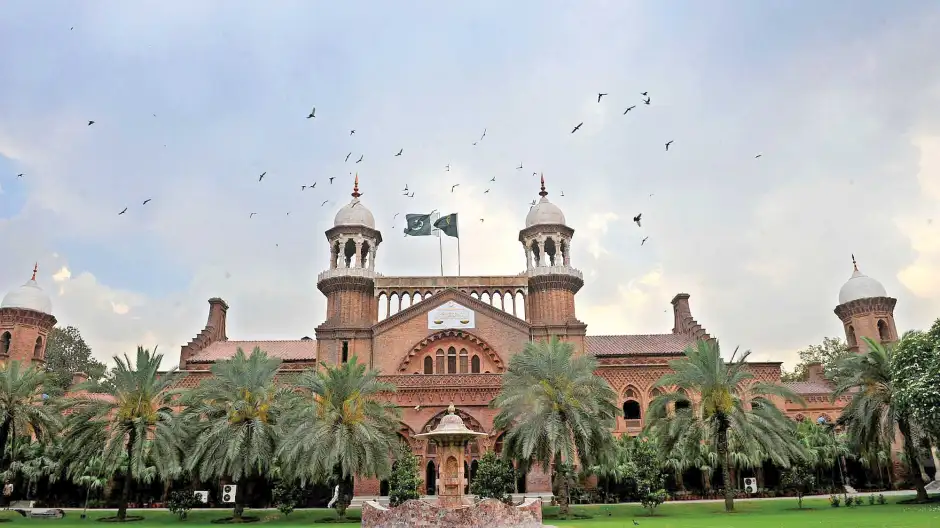
The Lahore High Court on Thursday summoned the Attorney General for Pakistan and the Advocate General Punjab to assist the court in a case that could bring an LHC social media ban under 16.
Chief Justice Aalia Neelum issued the directions while hearing the petition, filed by Alaiya Saleem, which says no effective mechanism exists in Pakistan to stop children below 16 from accessing social media platforms.
What the petition asks
The plea says children under 16 are using social media widely in Pakistan, and that excessive or inappropriate use is harming them. It points to the absence of any working age-verification system as the core problem.
The petitioner cited international examples, telling the court that Australia, Brazil and Italy have restricted social media use by children under 16. The plea urged the court to direct authorities to introduce a similar ban in Pakistan to protect children from the potential harmful effects of social media.
LHC social media ban under 16: how Australia did it
Australia offers the clearest model, because it became the first country in the world to pass such a law. Its Online Safety Amendment (Social Media Minimum Age) Act 2024, passed in November 2024, took effect on 10 December 2025 and bars ten major platforms, including TikTok, Instagram, Facebook, X, YouTube and Snapchat, from letting under-16s hold accounts.
The law places the duty on the platforms, not the children. Companies must take “reasonable steps” to keep under-16s off their services, and face fines of up to A$49.5 million for serious breaches. The eSafety Commissioner, Julie Inman Grant, enforces the regime. Official figures showed about 4.7 million accounts removed, deactivated or restricted in the early weeks.
Enforcement has proved difficult. By March 2026, official findings reported that seven in 10 under-16s who had accounts before the ban still had some access, many by simply declaring a false age. The government has since moved to double the maximum fine to A$99 million and widen the regulator’s evidence-gathering powers, a step reported by Reuters that shows how hard age checks are to enforce in practice.
What happens next
The two law officers will assist the court on whether Pakistan can legally introduce an age-based restriction and how it would be enforced. The Pakistan Telecommunication Authority regulates social media platforms in the country, and any ban would need its cooperation on age verification. Age checks are already a live issue in the courts: the Islamabad High Court has taken up PTA’s age-verification system for minors, while US visa applicants face expanded social-media screening of their own.
The court’s ruling will also sit alongside its recent stance on courtroom conduct, after the LHC banned filming across court premises earlier this month. Any under-16 ban would be among the strongest content rules yet attempted in Pakistan. The debate echoes the EU’s proposed restrictions on social media for under-13s, which would also put the burden of age verification on the platforms. A ruling in another recent LHC case on family law shows the court is willing to set firm precedents.
*Source: The News | The Nation | TechRepublic (Australia ban enforcement)*
FAQs
What did the Lahore High Court order on Thursday?
Chief Justice Aalia Neelum summoned the Attorney General for Pakistan and the Advocate General Punjab to assist the court on the petition seeking an under-16 social media ban.
Who filed the petition?
Alaiya Saleem, who argued that no effective mechanism exists in Pakistan to stop children under 16 from accessing social media.
Which countries did the petitioner cite?
Australia, Brazil and Italy, presented as countries with restrictions on social media use by children under 16.
Has the Australian under-16 ban worked?
Partially. Platforms removed millions of underage accounts, but official findings show most under-16 users kept some access, pushing Australia toward tougher fines of up to A$99 million.