

Preparing for Pakistan Studies exams? These are the complete notes on 1857ء تا 1947ء تاریخِ پاکستان (the history of Pakistan from 1857 to 1947) — every date, personality and one-line fact that board papers, CSS screening and entry tests ask about, organised the way toppers revise: era by era, with the Urdu terms examiners use.
Quick answer: The 1857–1947 period covers the War of Independence (جنگِ آزادی، 1857), the Aligarh Movement (تحریکِ علی گڑھ), the founding of the Muslim League (1906), the Lucknow Pact (1916), the Khilafat Movement, Jinnah’s Fourteen Points (1929), Iqbal’s Allahabad Address (1930), the Lahore Resolution (قراردادِ لاہور، 23 March 1940) and the Partition Plan (3 June 1947) — ending with Pakistan’s creation on 14 August 1947.
In this guide
One-line facts: the must-memorise list
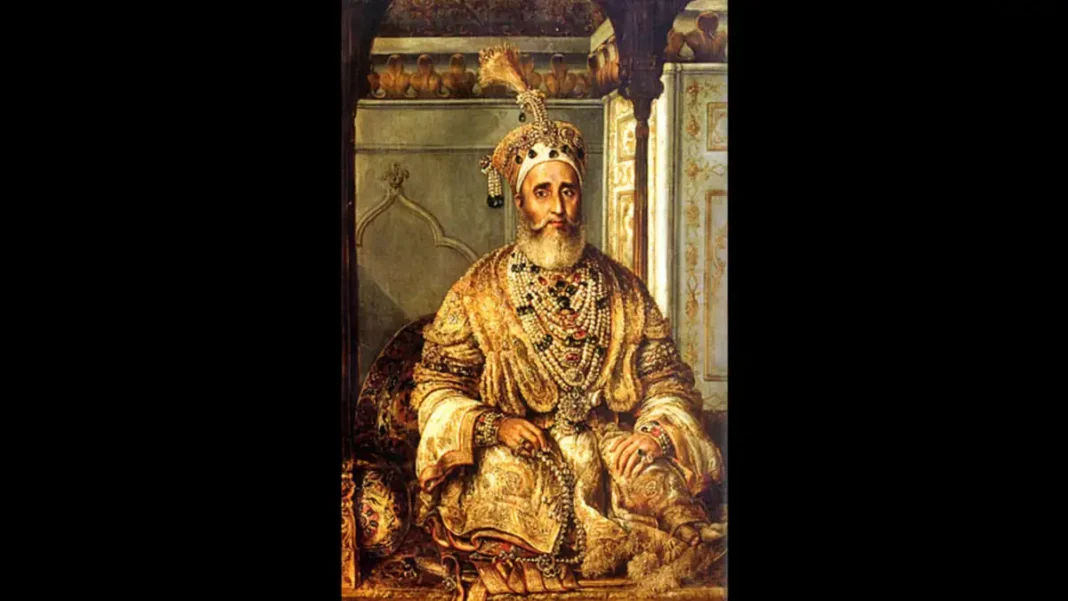
- The War of Independence began at Meerut on 10 May 1857 and ended Mughal rule; Bahadur Shah Zafar was exiled to Rangoon.
- The Government of India Act 1858 ended East India Company rule; the Crown took direct control.
- Sir Syed Ahmed Khan founded the Scientific Society (1864), the journal Tahzib-ul-Akhlaq (1870) and MAO College, Aligarh (24 May 1875).
- The Urdu-Hindi controversy (1867) at Banaras first exposed the Hindu-Muslim political divide to Sir Syed.
- The Indian National Congress was founded in December 1885 at Bombay.
- The Simla Deputation (1 October 1906), led by Aga Khan III, won the principle of separate electorates.
- The All-India Muslim League was founded on 30 December 1906 at Dhaka; Aga Khan III was its first president.
- The Partition of Bengal (1905) was annulled in 1911.
- The Lucknow Pact (December 1916) — Congress accepted separate electorates; Jinnah was the architect.
- The Khilafat Movement (1919–1924) was launched to protect the Ottoman Caliphate.
- The Nehru Report (1928) rejected separate electorates; Jinnah answered with the Fourteen Points (March 1929).
- Allama Iqbal’s Allahabad Address (29 December 1930) proposed a consolidated Muslim state in the north-west.
- The Government of India Act 1935 granted provincial autonomy; 1937 elections brought Congress ministries.
- The Lahore Resolution was passed on 23 March 1940 at Minto Park, moved by A. K. Fazlul Huq.
- The Cripps Mission (1942) failed; the Cabinet Mission Plan (1946) collapsed.
- In the 1945–46 elections the League won every Muslim seat in the Central Legislative Assembly.
- Direct Action Day: 16 August 1946; the 3 June 1947 Plan announced partition.
- Pakistan came into being on 14 August 1947; the Radcliffe Award was announced on 17 August 1947.
Date-wise events table
Revise this table the night before the paper:
| Year | Event (Urdu term) |
|---|---|
| 1857 | War of Independence — جنگِ آزادی |
| 1858 | Crown rule begins; Queen’s Proclamation |
| 1875 | MAO College, Aligarh — تحریکِ علی گڑھ |
| 1885 | Indian National Congress founded |
| 1906 | Simla Deputation; Muslim League founded at Dhaka |
| 1909 | Morley-Minto Reforms — separate electorates |
| 1916 | Lucknow Pact — معاہدہ لکھنؤ |
| 1919 | Khilafat Movement; Jallianwala Bagh |
| 1929 | Jinnah’s Fourteen Points — چودہ نکات |
| 1930 | Iqbal’s Allahabad Address — خطبہ الہ آباد |
| 1935 | Government of India Act |
| 1940 | Lahore Resolution — قراردادِ لاہور (23 March) |
| 1946 | Cabinet Mission Plan; Direct Action Day (16 Aug) |
| 1947 | 3 June Plan; Independence — 14 August |
Personalities and their contributions
- Sir Syed Ahmed Khan (1817–1898): Aligarh Movement, MAO College, Asbab-e-Baghawat-e-Hind defending Muslims after 1857.
- Aga Khan III: led the Simla Deputation; first president of the Muslim League.
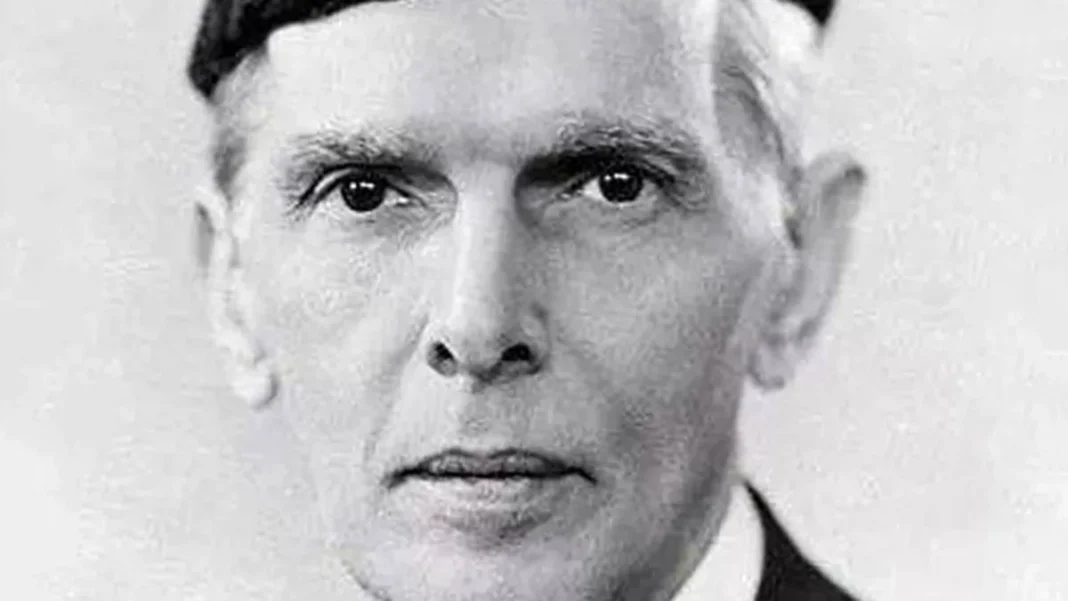
- Quaid-e-Azam Muhammad Ali Jinnah: Lucknow Pact, Fourteen Points, League president from 1934, founder of Pakistan.
- Allama Muhammad Iqbal: Allahabad Address 1930; the ideological father of the Pakistan demand.
- Maulana Muhammad Ali Jauhar & Shaukat Ali: leaders of the Khilafat Movement.
- A. K. Fazlul Huq: moved the Lahore Resolution, 23 March 1940.
- Liaquat Ali Khan: finance member, Interim Government 1946; Pakistan’s first prime minister.
Key Urdu terminology
Examiners in Urdu-medium papers use these terms — know both:
- War of Independence — جنگِ آزادی
- Two-Nation Theory — دو قومی نظریہ
- Lahore Resolution — قراردادِ لاہور (also called قراردادِ پاکستان)
- Pakistan Movement — تحریکِ پاکستان
- Fourteen Points — چودہ نکاتِ جناح
- Aligarh Movement — تحریکِ علی گڑھ
- Khilafat Movement — تحریکِ خلافت
- Day of Deliverance — یومِ نجات (22 December 1939)
For the full narrative behind these notes, read the complete 1857–1947 timeline and our guides to the 1857 War of Independence and the Two-Nation Theory.
Frequently asked questions
What is the 1857 to 1947 period called in Pakistan Studies?
It is studied as the Pakistan Movement era (تحریکِ پاکستان کا دور) — from the War of Independence (1857) to the creation of Pakistan (1947).
Who gave the idea of Pakistan in 1930?
Allama Muhammad Iqbal, in his presidential address at Allahabad on 29 December 1930, proposed a consolidated Muslim state in north-western India.
When was the Lahore Resolution passed?
On 23 March 1940 at Minto Park, Lahore, at the Muslim League’s annual session — moved by A. K. Fazlul Huq of Bengal.