Pakistan inflation forecast for the next fiscal year stands at 8.2 per cent, the World Bank says in a new report on the country’s economy. The bank also projects economic growth of 3.8 per cent, pointing to a difficult balancing act: sustaining growth while managing renewed price pressure.
Pakistan’s economy grew by 3.7 per cent in fiscal year 2025-26, while average inflation rose to 7.1 per cent from 4.5 per cent a year earlier. The figures show continued growth alongside price pressure driven by higher energy and food costs.
Pakistan inflation forecast: what drove the FY26 surge
Inflationary pressure intensified in the second half of FY26. The World Bank report attributes it to rising global energy prices following the conflict in the Middle East, higher wheat and perishable food prices, and the pass-through of fuel costs to consumers.
Average headline inflation stood at around 5.5 per cent between July 2025 and February 2026, before accelerating to an average of 10.2 per cent from March to June. It peaked at 11.7 per cent in May 2026.
Food prices also climbed after earlier moderation, as flood-related disruptions faded. Average food inflation reached 4.3 per cent in urban areas and 5.4 per cent in rural areas during the fiscal year.
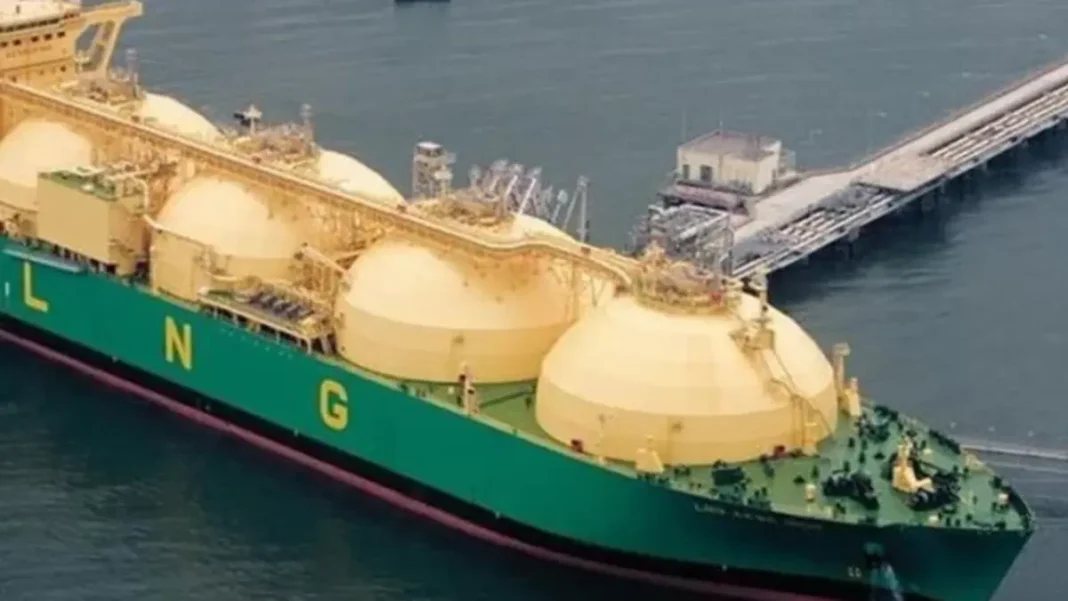
Energy prices rose sharply between February and June 2026. Petrol prices climbed by about 36 per cent, high-speed diesel by 31 per cent and liquefied petroleum gas by 46 per cent. Transport fares increased by around 30 per cent over the same period.
The increase pushed urban energy inflation from 11.7 per cent in February to 26.8 per cent in June. Rural energy inflation rose from 5.7 per cent to 27.6 per cent. Core inflation, which excludes food and energy, averaged 7.4 per cent in urban areas and 8.5 per cent in rural areas during FY26.
Growth picture and the external account
The services sector expanded by 4.1 per cent, while agriculture grew by 2.9 per cent, supported in part by livestock. The report also noted that international rating agencies S&P and Moody’s upgraded Pakistan’s credit ratings.
Pakistan issued Eurobonds worth 750 million dollars and raised 3 billion dollars in international markets, while foreign exchange reserves reached 19.7 billion dollars. The fiscal deficit narrowed to 2.6 per cent of gross domestic product.
The State Bank of Pakistan raised its policy rate to 11.5 per cent amid the shifting inflation picture, a move that has kept borrowing costs high for businesses and households. Our coverage of the split interest-rate call as inflation heads toward 10 per cent shows how finely balanced that decision has become.
What this means for household budgets
The original element in our reporting is the connection to what readers already pay. The report’s 46 per cent jump in LPG prices and 36 per cent rise in petrol between February and June match the petrol price revisions tracked on this site through 2026. Those fuel costs then spread: urban core inflation touched 9 per cent in May as higher transport costs pushed up other prices.
With the World Bank now projecting 8.2 per cent average inflation for FY27, above the State Bank’s medium-term 5 to 7 per cent target band, households should expect the squeeze on purchasing power to continue. The export-led growth push and the winter gas supply outlook are the two domestic variables most likely to move the numbers from here.
Frequently asked questions
What is the World Bank’s inflation forecast for Pakistan?
The bank projects average inflation of 8.2 per cent in FY27, up from 7.1 per cent in FY26, with GDP growth of 3.8 per cent.
What drove inflation higher in FY26?
Higher global energy prices after the Middle East conflict, rising wheat and food prices, and fuel-cost pass-through. Inflation peaked at 11.7 per cent in May 2026.
How did the State Bank respond?
It raised the policy rate to 11.5 per cent to contain price pressure.