Slug: pakistan-winter-gas-shortage-lng-import-delay
Category: Business
Focus keyphrase: winter gas shortage Pakistan LNG imports
SEO title: Pakistan Delays $2bn LNG Imports, Risks Winter Gas Shortage
Meta description: Pakistan’s delay on 22 LNG cargoes worth nearly $2bn raises winter gas-shortage risks, with cuts possible for industry and power plants.
Tags: LNG, gas shortage, winter 2026, Petroleum Division, CCoE, Qatar, fertiliser, energy crisis, Pakistan economy
Original element: explainer context — what the proposed priority order means for ordinary readers (homes protected 5am-10pm, CNG squeezed in Dec-Jan, fertiliser curtailment feeding into urea and food prices), plus our own energy-costs thread via the petrol-price coverage below.
Pakistan Delays $2bn LNG Imports, Risks Winter Gas Shortage
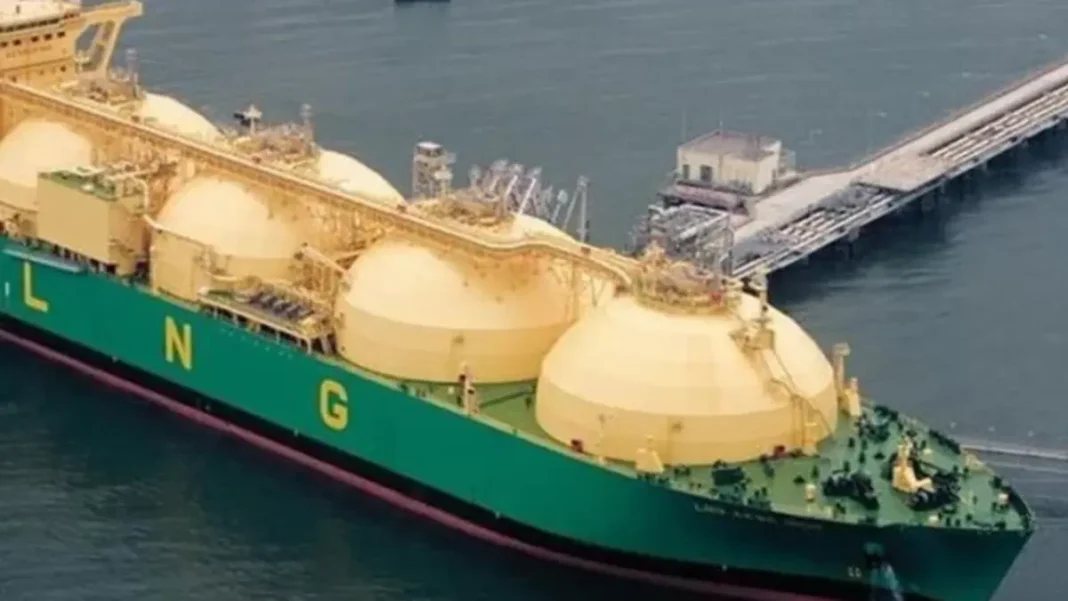
ISLAMABAD: Pakistan is delaying a decision on importing an estimated $2 billion worth of liquefied natural gas, raising concerns about winter gas shortages and possible supply cuts to industry, power plants and fertiliser manufacturers.
The Petroleum Division, which sought authorisation last month, has urged the government to begin imports, warning that further delays could disrupt supplies and trigger public unrest. The Cabinet Committee on Energy (CCoE) has yet to approve the proposal for 22 LNG cargoes.
The plan called for the first 12 cargoes’ import process to begin between October 7 and 10, but the deadlines passed without a decision. Petroleum Minister Ali Pervaiz said the matter remained pending with the committee.
Qatar supplies in doubt
At least 11 cargoes were expected from Qatar under a long-term agreement, but Qatar has extended its force majeure until November amid regional uncertainty, leaving contracted deliveries in doubt.
Officials said the government had considered importing 15 cargoes instead of the proposed 22, but warned that a smaller volume could worsen shortages during peak winter demand.
At roughly $87 million per cargo, 22 shipments from November to February would cost nearly $2 billion, against an initial $1.5 billion estimate that assumed Qatari supplies at around $12 per million British thermal units. With contracted deliveries in doubt, heavier reliance on spot purchases could raise the bill further.
The plan included four cargoes from Azerbaijan via Pakistan LNG Limited, four arranged by Pakistan State Oil with other market participants, and three from a US government-nominated supplier, with the rest covering power and residential demand. Several deadlines for arranging the shipments have already passed.
Homes first, industry later
Winter gas demand is projected to nearly double from 850 million cubic feet per day to 1,600 million cubic feet per day. Demand on the Sui Northern network is expected to rise from 550 million cubic feet per day to 1,100 million cubic feet per day, placing additional pressure on supplies in northern Pakistan.
Under the proposal, homes would get priority: supply from 5am to 10pm with adequate pressure during cooking hours.
Industry, power and fertiliser units would get gas according to availability, while CNG stations could face curtailment, particularly in December 2026 and January 2027. In severe shortages, cement plants and other industries could also be cut to protect household demand.
For readers, the hierarchy is clear: kitchen stoves first, with the squeeze falling on CNG pumps, factories and power producers. It is the same triage as every winter — but with import decisions weeks late, households already coping with record fuel costs will feel any shortfall first.
Fertiliser and the food chain
The potential impact extends to fertiliser production. Government officials said at least two fertiliser plants connected to the SNGPL network could face gas supply suspensions. According to the Ministry of National Food Security and Research, the closure of Fauji Fertilizer Bin Qasim, Fatima Fertilizer and Agritech could create a urea shortfall of 109,000 metric tonnes per month — a gap that feeds directly into crop costs and food prices.
The Petroleum Division has also compared the foreign exchange implications of importing LNG with importing urea and providing subsidies, estimating the LNG route would cost more for a single month than urea imports.
Meanwhile, official foreign exchange reserves stood at slightly more than $21 billion after the country borrowed $3 billion through Eurobonds ahead of a debt repayment of the same amount — leaving little room for expensive spot-market buying. With the final import volume still undecided, the government must choose between the cost of more imports and the risk of tighter supplies at the winter peak, a second blow for exporters already under pressure.
Frequently asked questions
Why is Pakistan facing a winter gas shortage risk?
The government has delayed approving a proposal to import 22 LNG cargoes worth nearly $2bn, deadlines for the first shipments have passed, and Qatar’s force majeure extension until November has made contracted supplies uncertain.
Who gets gas first if shortages hit?
Residential consumers have top priority, with supply from 5am to 10pm and protected cooking-hour pressure. Industry, power plants, fertiliser units and CNG stations would face cuts according to availability.
How could this affect food prices?
If gas to fertiliser plants is suspended, the food ministry estimates a urea shortfall of 109,000 tonnes a month, which would push up crop production costs and, eventually, food prices.
*Source: ProPakistani, October 22, 2026*