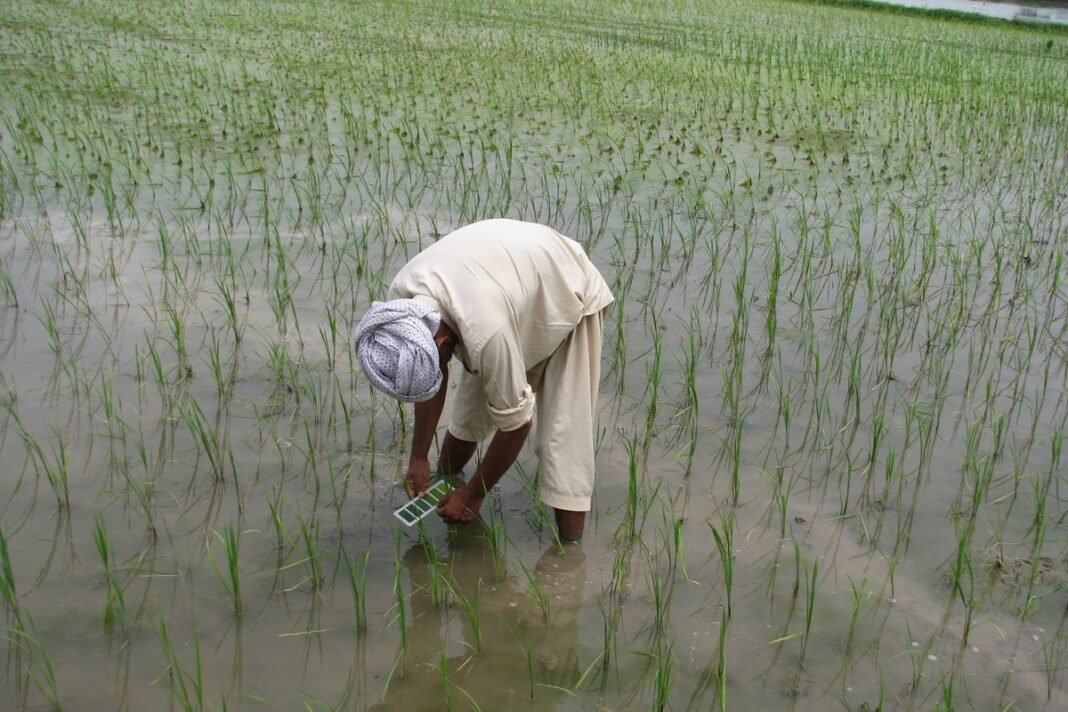
Pakistan is an agricultural country. Yet, sadly, it still cannot feed all of its people. However, the second phase of the China-Pakistan Economic Corridor, known as CPEC 2.0, offers a real chance to change that. The first phase is mainly remembered for power plants and roads. This phase, instead, is shifting towards agriculture, technology and value addition.
Floods, droughts and an unstable climate keep damaging harvests. In addition, water resources are shrinking, farm productivity is low, and post-harvest losses are high. These problems keep food security unfulfilled. Moreover, they are exactly the problems that CPEC 2.0 is designed to address.
Agriculture Is Now the Heart of CPEC 2.0
During the Pakistan-China Agriculture Investment Conference organised by the government, agriculture was identified as a priority sector in bilateral cooperation under the second phase of CPEC. That is because of the sector’s share of GDP and jobs, which is 23% and 37% respectively, according to official CPEC figures. This is a vast area. It cannot be neglected with traditional methods when the country aims to feed its growing population.
The early results are promising. Agriculture attracted the maximum investor participation at the 2nd Pakistan-China B2B Investment Conference in Beijing. Investors signed a total of 39 MOUs and 4 joint ventures, along with an authorisation certificate of over USD 1.345 billion, according to the conference organisers. These are pledges, not delivered projects. Food security will only grow stronger if farmers are trained properly. Storage facilities must also be developed alongside that training.
Better Seeds and Machines Can Lift Food Security in Pakistan
Agricultural productivity is low in Pakistan, and farming is still a labour-intensive process. Chinese technology can help fill that gap. Under CPEC agricultural cooperation, Pakistan has already imported 258 advanced agricultural machines and irrigation systems from China. The goal is to upgrade the agriculture sector and to foster climate-smart agriculture. The programme also includes collaboration between the Pakistan Agricultural Research Council and the Chinese Academy of Agricultural Sciences.
The priority topics of the conference are seeds and hybrid varieties, agricultural machinery, precision agriculture and IoT solutions, drone technology and smart irrigation. Improved varieties and efficient input use raise yield per acre. They do so without increasing land or water use. Joint research in biotechnology, genomics and crop improvement has also been proposed, based on the Yangling model. In fact, productivity per acre is the only sure way to grow more food. Pakistan’s population is rising faster than its agricultural area.
Saving Water, Saving the Harvest
Water is the basis of food security. Agriculture in Pakistan is also highly vulnerable to climate shocks. The World Bank has pointed out that severe droughts have caused crop and livestock losses, destroyed irrigation facilities and created food shortages, especially in Punjab. Punjab matters greatly here. The province produces 73% of the country’s food.
This effort has been supported by the World Bank with $200 million in financing for new technology. The financing helps make water more productive and boosts the incomes of small farmers in a climate-smart way. The project is expected to help some 190,000 small family farms. It also covers around 1.4 million acres of irrigated land.
CPEC 2.0 can easily enhance this type of effort. Chinese cooperation has already turned towards water saving. It also covers modern agricultural areas and drip irrigation technology. Analysts add that the Green Development pillar of China’s 5C vision aligns with Pakistan’s own policies on climate-smart agriculture, reforestation and water conservation. Drip and sprinkler systems, laser land levelling and drought-tolerant seeds would help Pakistan produce more with less water. Otherwise, any increase in output might prove unproductive.
Storage, Exports and Food Security in Pakistan
Post-harvest losses of food are significant in Pakistan between farm and market. Improved storage is one of the most cost-effective ways to enhance food security. A tonne of food saved does not need to be grown or imported. The investment conference includes several flagship initiatives for this purpose. These include a modern silo system for grain storage and an Electronic Warehouse Receipt system. That system aims to minimise post-harvest losses and improve market access. Other initiatives include cold storage, packaging and an integrated halal meat processing hub.
A warehouse receipt system also benefits small farmers directly. It allows them to hold their crops and sell at a higher price when market conditions improve, instead of selling cheaply at harvest time. As a result, farm incomes become more stable. Stable incomes then support future investment in production.
The idea of linking exports to food security may seem out of context. However, agricultural exports bring in income to buy food. A prosperous industry also helps keep farmers in the fields. Pakistan has negotiated over 10 new Sanitary and Phytosanitary (SPS) protocols with China. These cover exports of mangoes, citrus, cherries, dairy, rice, meat, fisheries and dry chilli. Pakistani exports of chilli, cherries and mangoes have already made their way into the Chinese market.
Proper trade policies and high value-added products are believed to be key to creating a big market for Pakistan in China. The danger is that export crops could grow at the expense of domestic foods, or that food prices could rise. Therefore, proper and enough supplies of wheat, edible oil, pulses and dairy must be ensured at home, along with export promotion.
Training the Farmers Who Feed Pakistan
Technology cannot help the farmer unless he or she can use it. In its long-term plan, CPEC has emphasised the training of agriculture personnel and technical exchanges. This goes for gender as well. Extension services should be targeted towards women farmers directly. According to the World Bank, approximately 74 per cent of all women in Punjab are engaged in agricultural activities.
Institutions must also work together for the cooperation to succeed. The conference aims for long-term partnerships by ministries, provinces, the Board of Investment, the Special Investment Facilitation Council and industry organisations. Coordination is important here. In the past, some CPEC agricultural projects faced a standstill between agencies.
Finally, CPEC 2.0 provides Pakistan’s food system with what it sorely needs: better seeds, smarter irrigation, machines, cold stores, storage and market access. The early signs are out there, and they are real: deliveries of machinery, SPS protocols and investor interest. Deliveries will be the key to success. If projects reach the smallholders, CPEC 2.0 can transform Pakistan’s food-insecure situation into food security. It must not stop at the paper-signing stage.
Disclaimer: The views and opinions expressed in this article are those of the author and do not necessarily reflect the official policy or position of Feature Pakistan.
Contact the writer: If you would like to contact the writer, you can reach Hamra Saleem on LinkedIn.