OK 2026-10-22-punjab-milk-program-11-hospitalized-khichiwala.html | slug: punjab-milk-program-11-hospitalized-khichiwala | img: True
ab Milk Program: 11 of Family Hospitalised | META: Eleven of a family in Khichiwala were hospitalised after milk from the CM Punjab Milk Program. The education department denies contamination. | IMG: hourly-1332-khichiwala-milk-hospitalized.webp | CREDIT: ProPakistani –>
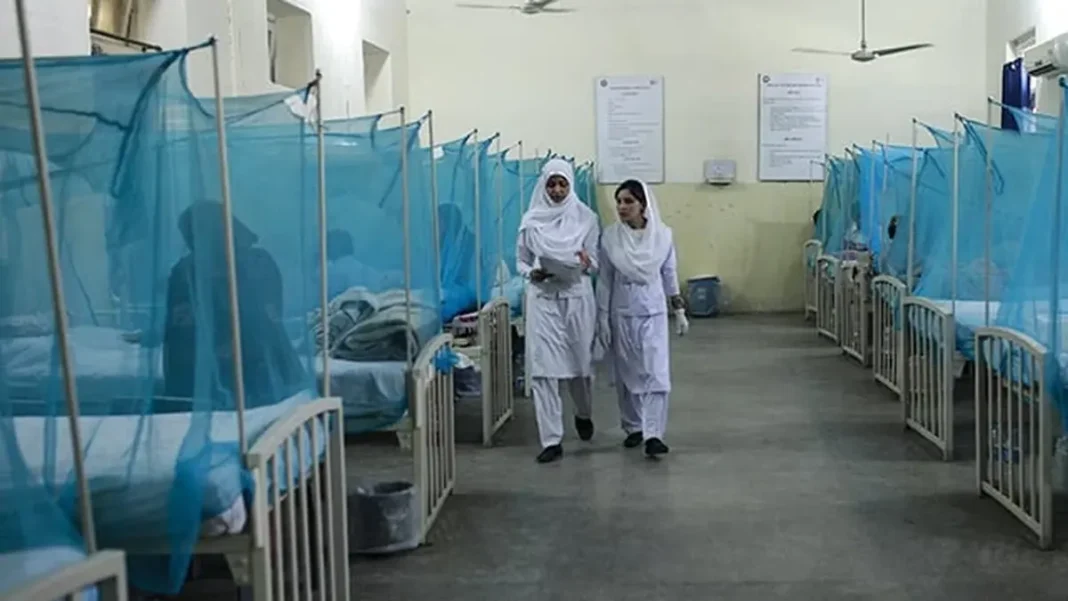
Eleven members of a family, including women and children, were hospitalised in Khichiwala after allegedly consuming contaminated milk distributed under the Punjab government’s CM Punjab Milk Program. The family was taken to hospital in a semi-conscious state, according to a police report.
The incident has raised questions about the safety of a programme that supplies milk to schoolchildren across the province every day, though the education department insists the milk is safe and points to its own inquiry clearing the supply.
CM Punjab Milk Program: what the family and officials say
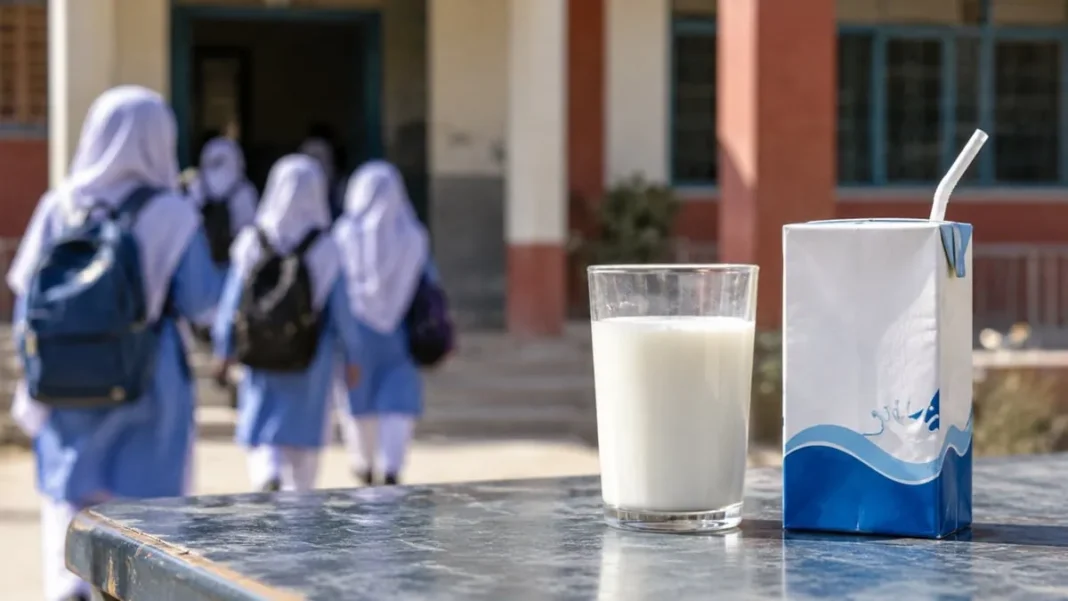
The family says the milk came home through a daughter who studies at Government Girls Primary School 186/7-R in Khichiwala. In a video circulating on social media, Abdul Sattar, one of the affected family members, said his daughter had brought the milk from school and the entire family fell ill after drinking tea prepared with it.
Sattar urged the authorities to investigate whether the milk was expired or contaminated, and to take action against those responsible. The family further claimed that no officials from the education or health departments had contacted them to arrange testing of the milk.
The official account tells a different story. A report issued by the Fort Abbas district education officer on October 21 stated that 132 of the school’s 155 enrolled students had consumed the milk without reporting any illness. The report added that 119,915 students across the district consume milk under the programme daily, with no cases of food poisoning reported so far.
Chief Executive Officer (Education) Dr Attaur Rehman said an inquiry had found no issues with the milk’s quality. He added that the cartons in the family’s possession carried an expiration date of January 12, 2027.
Why both accounts need scrutiny
Two things can be true at once here, and that is what makes the case difficult. A single contaminated batch can sicken one household while 119,915 other children drink safely the same day. Milk is a perishable product, and contamination can happen after distribution too, through improper storage at home or a damaged carton.
That is why the family’s complaint about testing matters. If the remaining milk was never collected and tested by the health or food authorities, the inquiry’s conclusion rests on the absence of other cases rather than on laboratory evidence about this specific batch. The expiry date of January 2027, cited by the education CEO, rules out expired stock but does not rule out contamination.
For parents across Punjab, the scale of the programme is both reassuring and worrying. Nearly 120,000 children in one district alone drink this milk daily. A system that large needs batch-level traceability, so that when one family falls ill, investigators can check exactly which batch they received instead of relying on district-wide statistics.
The dairy sector has been expanding in Punjab, with companies like Interloop announcing a Rs15 billion dairy plant with a Turkish partner, which shows how central milk has become to the province’s food economy. With that centrality comes responsibility: transparent testing and swift public reporting when complaints arise.
The health department has not yet said whether the family’s leftover milk will be tested. Until it is, the two accounts, the family’s illness and the department’s clean chit, will sit uneasily side by side.
Frequently asked questions
What happened in Khichiwala?
Eleven members of a family, including women and children, were hospitalised in a semi-conscious state after allegedly consuming contaminated milk from the CM Punjab Milk Program.
Where did the family get the milk?
The family says a daughter brought the milk home from Government Girls Primary School 186/7-R in Khichiwala, and they fell ill after drinking tea made with it.
What do the officials say?
The Fort Abbas district education officer reported that 132 of 155 students at the school consumed the milk without illness, and the education CEO said an inquiry found no quality issues, noting the cartons expire in January 2027.
Has the milk been tested?
The family claims no education or health officials contacted them to arrange testing of the milk in their possession.