KPC Fuel Storage Plan Stalls Over Govt Clearances
The KPC fuel storage plan remains stalled, pending government regulatory and legal clearances. Kuwait Petroleum Corporation wants to use Pakistan’s storage terminals and port facilities to store petroleum products for domestic sale and re-export to regional markets.
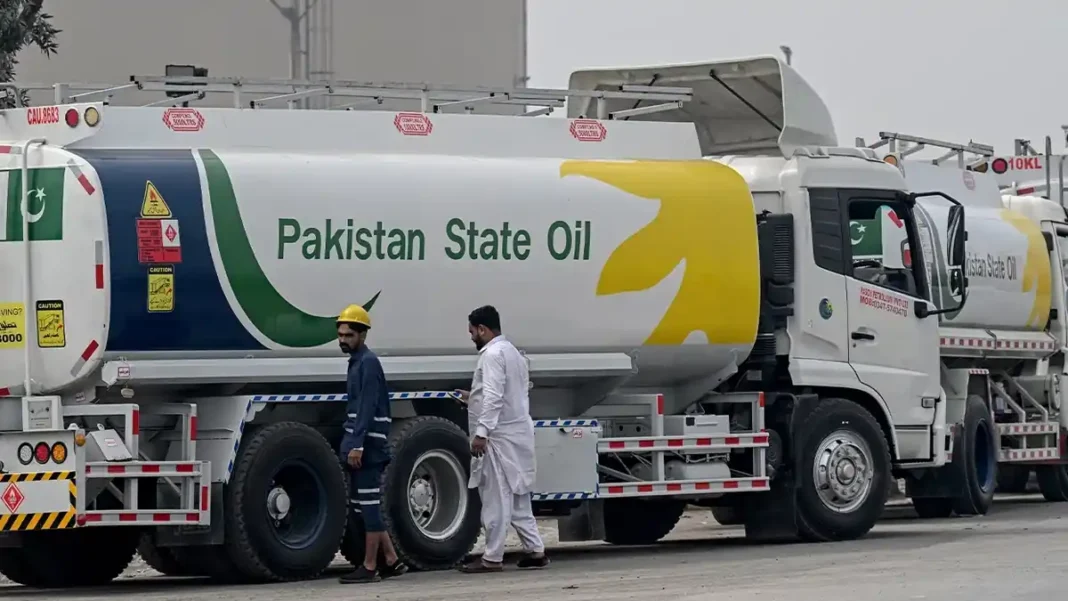
Pakistan State Oil (PSO) announced the development recently, after a delegation led by its chief executive held discussions with KPC’s senior management in Kuwait. But nearly three months after the government approved the rules for the scheme, the framework is still not in operation.
KPC fuel storage waits on legal changes
The Economic Coordination Committee approved the Policy Guidelines on Import on Foreign Suppliers’ Account through Customs Bonded Storage Facilities 2026 on August 24. The federal cabinet ratified the decision on October 17. Yet the government has not completed the legal amendments, the gazette notification and the procedural arrangements needed to make the framework work, according to industry sources.
The Federal Board of Revenue (FBR) has raised concerns about inconsistencies with the Customs Act, 1969, and the Sales Tax Act, 1990. The Ministry of Commerce has also identified the need to amend the Import Policy Order so the trade regime lines up with the new framework.
For the scheme to start, the government must notify the policy, amend tax and customs laws, revise the Import Policy Order, and issue harmonised procedures through the FBR, Ogra, the State Bank and the port authorities. None of that has been done yet.
Duties and taxes would become payable only when stored products are sold in the domestic market. Suppliers could also sell to licensed oil marketing companies and refineries, or re-export their stocks.
Pakistan already has a tax-free oil storage arrangement with Saudi Arabia from October, which shows the model the government wants to build on. The Kuwaiti plan would add a second Gulf supplier to the same framework.
Why the delay matters for energy security
PSO believes the initiative could strengthen energy security by increasing petroleum stocks held inside Pakistan, without local companies or the government financing the entire inventory. It could also attract investment in storage infrastructure and work in ports, shipping and logistics. The company has urged the government to finish the formalities quickly and proposed a single coordination mechanism for foreign suppliers. The revised policy was drawn up after disruptions to oil supplies through the Strait of Hormuz exposed weak points in the system.
This is not the first attempt. Pakistan approved a similar bonded storage policy in June 2023, but it failed to attract foreign suppliers because the standard operating procedures and regulatory arrangements were never completed. Industry officials warn that any further delay could undermine the opportunity again, as international suppliers make long-term decisions about where to store and trade their fuel.
The commercial case is already in place. PSO and KPC agreed in Kuwait to continue their diesel and jet fuel supply arrangements, and to explore adding motor gasoline and petrochemicals. Pakistan imports more than 60 per cent of its diesel from Kuwait under a long-term agreement. Petrol has been cut repeatedly in recent reviews, most recently to Rs330 a litre, but the bigger question is supply security, not just the pump price.
The IMF has urged Pakistan to end its petrol subsidy, so the government faces pressure to withdraw support at the pump while it tries to build storage and supply arrangements for the longer term.
What happens next
The ball is now with the government. Until the policy is notified and the tax and customs laws are amended, KPC cannot start storing fuel in Pakistan, and the bonded storage framework stays on paper. Exports reached a record 11.4 billion dollars in the first four months of the fiscal year, and that growth needs fuel supply lines that work.
Frequently asked questions
What is the KPC fuel storage plan?
Kuwait Petroleum Corporation plans to store petroleum products in customs bonded facilities at Pakistani ports for domestic sale and re-export to regional markets, while retaining ownership of the fuel.
Why has the plan stalled?
The framework is not operational because the government has not completed the legal amendments, gazette notification and procedural arrangements. The FBR has raised concerns about inconsistencies with the Customs Act and the Sales Tax Act.
When were the rules for the scheme approved?
The Economic Coordination Committee approved the policy guidelines on August 24, 2026, and the federal cabinet ratified the decision on October 17, 2026.
How would the bonded storage scheme work?
Foreign suppliers could import fuel on their own account and store it in bonded facilities, with duties and taxes payable only when the products enter the domestic market. They could also sell to licensed companies or re-export the stocks.
Has Pakistan tried bonded storage before?
Yes. A similar policy was approved in June 2023, but it failed to attract foreign suppliers because the procedures and regulatory arrangements were never completed.