HUBCO Aluminium Smelter Study for 300,000 Tonnes a Year
A subsidiary of The Hub Power Company Limited has commissioned a bankable feasibility study for the proposed HUBCO aluminium smelter, a 300,000-tonne-a-year plant that would mark a step toward expanding the company’s industrial investments.
Hub Power Holdings Limited, a wholly owned subsidiary of HUBCO, disclosed the development to the Pakistan Stock Exchange on Monday. A prominent Chinese design institute will conduct the study and prepare the feasibility report. ProPakistani reported that the study will examine the proposed smelter’s technical, commercial and financial viability, and its findings will help determine the next steps for the project’s development and financing.
What the study will cover
The bankable feasibility study will assess whether the smelter can work on three fronts: technical, commercial and financial. Its findings will inform later decisions about the project’s development and financing, Business Recorder reported.
“The BFS will assess the technical, commercial and financial viability of the proposed project and its findings will inform subsequent decisions regarding the development and financing of the project,” the company’s notice to the stock exchange said.
HUBCO said the initiative supports its broader strategy of diversifying investments, pursuing sustainable growth and contributing to Pakistan’s industrialisation while creating long-term value for stakeholders.
“This initiative is aligned with HUBCO’s broader strategy of pursuing sustainable growth and diversification opportunities while supporting Pakistan’s industrialisation and creating long-term value for its stakeholders,” the company said.
Construction will depend on the study’s findings, corporate and regulatory approvals and financing.
Why HUBCO is looking beyond power
HUBCO is Pakistan’s largest independent power producer. Its subsidiary, Hub Power Holdings, focuses on investing in future growth opportunities and has expanded through several investments and joint ventures in recent years.
Its investments include China Power Hub Generation Company and ThalNova Power Thar, plus a joint venture with ENI’s local employees to establish Prime International Oil and Gas Company, and another with Ark Metals to explore and develop mineral mines.
The smelter fits that pattern. It would move HUBCO from generating power into using power to make a basic industrial material, and it builds on the company’s existing mining interests.
The HUBCO aluminium smelter idea is not new
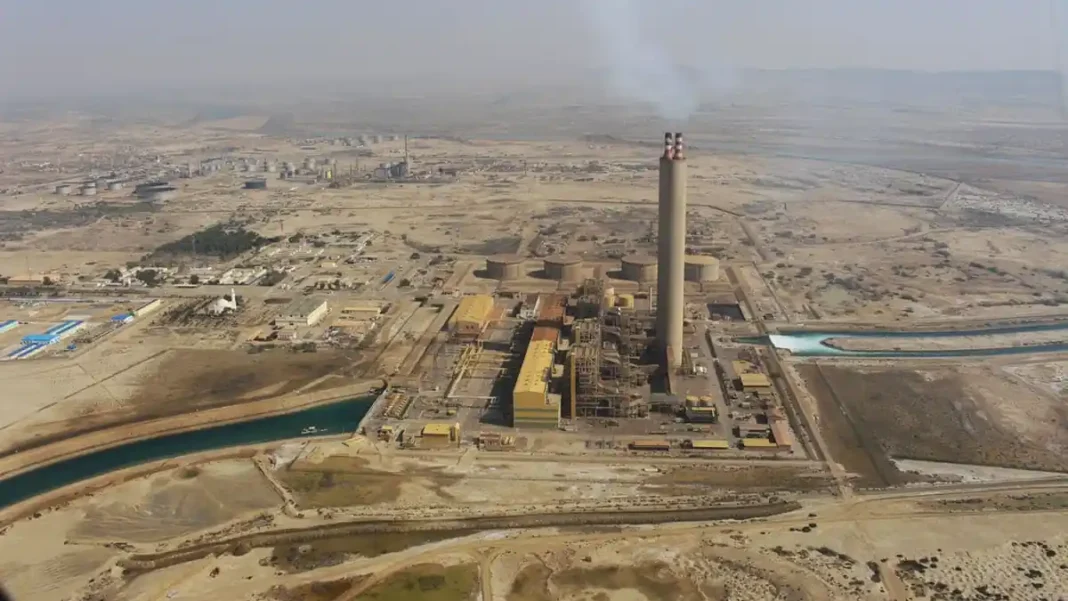
The smelter proposal has been under discussion for over a year. In October 2025, HUBCO told analysts it was exploring options for its 1,100-acre base plant site at Hub, including an aluminium smelter and a single point mooring facility.
At the time, the company’s management said an energy-intensive smelter could help address Pakistan’s surplus energy problem, while letting HUBCO use its existing base plant as backup. The site has land and sea transport links, which would make it easy to import alumina, the raw material smelters refine into aluminium.
Pakistan also holds large bauxite reserves, the ore from which alumina is made. The country has about 200 million tonnes of bauxite, including roughly 74 million tonnes of identified reserves in Khushab, Azad Jammu and Kashmir, Khyber-Pakhtunkhwa and Ziarat. Full integration across the value chain, from mining bauxite to smelting aluminium, could be explored at a later stage.
The question the study must answer is not whether the idea is new, but whether the numbers work now.
What happens next
The Chinese design institute will prepare the feasibility report. HUBCO will then weigh the findings against the approvals and financing it would need before committing to construction.
The project also sits within a wider push to develop Pakistan’s mineral wealth. Industrial policy is moving the same way: the draft auto policy for 2026-31 sets a $6bn export target. The government recently backed 13 mineral agreements aimed at drawing investment into mining, while work on the ML-3 rail line to Reko Diq has been deferred for a third time over funding. Energy costs will shape the smelter’s economics too, and the IMF has told Pakistan to end its petrol subsidy as part of wider fiscal reforms.
For now, the smelter remains a proposal with a study behind it, not a project with a start date. The study’s findings will decide whether it moves forward.
Frequently asked questions
What is HUBCO planning?
Its subsidiary, Hub Power Holdings, has commissioned a bankable feasibility study for a proposed aluminium smelter with an annual capacity of 300,000 tonnes.
Who will conduct the study?
A prominent Chinese design institute will carry out the study and prepare the feasibility report.
When will the smelter be built?
There is no start date yet. Construction depends on the study’s findings, corporate and regulatory approvals and financing.
Why would a power company build a smelter?
Smelting is energy-intensive, so it can use surplus power from HUBCO’s plants. The company is diversifying beyond power generation, and the smelter builds on its mining joint ventures and Pakistan’s bauxite reserves.
Has HUBCO considered a smelter before?
Yes. In October 2025, HUBCO told analysts it was exploring options for its 1,100-acre base plant site at Hub, including an aluminium smelter and a single point mooring facility.