NCCIA Lahore Busts Gang Behind Fake Profiles
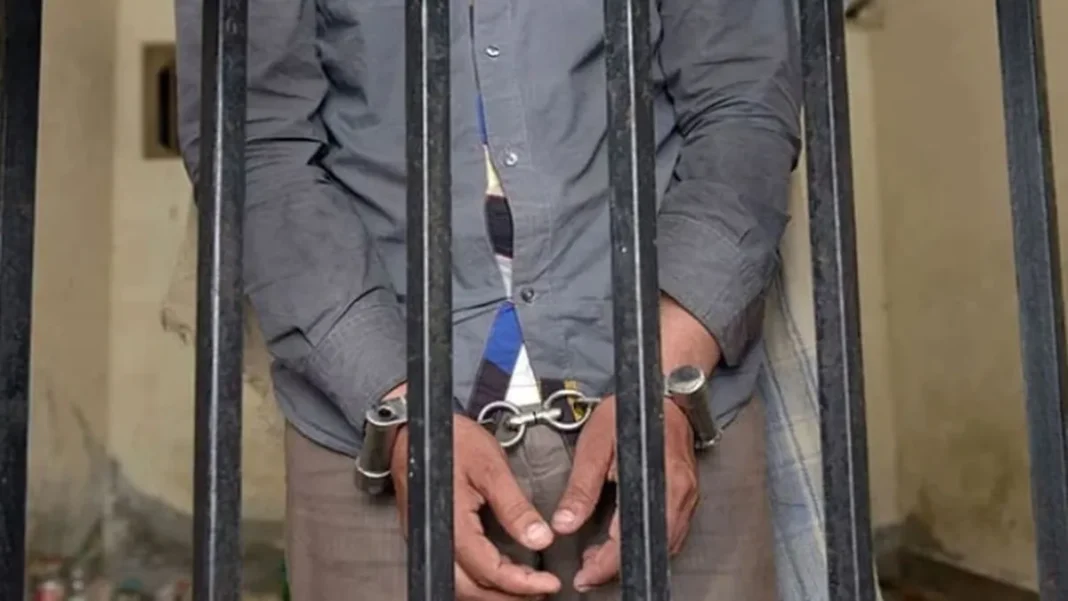
The National Cyber Crime Investigation Agency’s Lahore zone (NCCIA Lahore) has arrested 35 suspects, including a Chinese national and three women, for allegedly using fake female profiles on social media to trap foreign nationals in fraudulent investment schemes.
The arrests followed a raid on a facility operating under the name Prime Link in DHA Phase 8, Lahore. NCCIA Lahore Zone Additional Director Atif Ameer said the arrested suspects included 34 Pakistanis and a Chinese national identified as Fan Lu.
How the NCCIA Lahore gang trap worked
Investigators said the suspects allegedly used software called Hub Studio to create fake Facebook accounts with women’s photographs and fictitious identities. The operators used the profiles to approach foreign nationals and build connections with them. They allegedly promised high investment returns, then moved interested people into WhatsApp groups and persuaded them to invest in fraudulent schemes.
During the raid, NCCIA officials seized 40 desktop computers, 34 mobile phones and one iPad. Investigators are examining the seized devices, tracing transactions and identifying others connected to the alleged network.
More arrests in DHA Phase 6
In separate operations in DHA Phase 6, NCCIA arrested another 23 suspects, including three Chinese nationals and five women. Investigators linked them to alleged fake stock trading platforms, Ponzi schemes and online investment fraud.
The raids were part of a larger crackdown on international cybercrime networks allegedly involving Chinese and Nigerian nationals. The networks targeted local and foreign citizens through fake investment schemes, fraudulent online trading platforms and social media.
Illegal call centres targeted the US, UK and Canada
The agency also arrested 62 people in five raids on illegal call centres. The centres targeted people in the United States, the United Kingdom and Canada. Suspects allegedly impersonated telecom company representatives and offered fake mobile upgrades, internet services, cable packages and SIM deals to obtain financial information. Some allegedly used stolen bank card details for unauthorised transactions.
The case shows how much financial crime now runs through phones and screens. As more services move online, including AI assistants that can now reach bank accounts and wallets, the need to guard personal and banking details has grown. No genuine bank or telecom firm asks for card details through a cold call or a WhatsApp message.
Rs30.17 million returned to victims
The NCCIA reported 130 arrests across its broader Lahore cybercrime operations, including nine women and four foreign nationals. Officials also recovered 276 digital devices and returned about Rs30.17 million to victims in separate financial fraud cases.
In another case, the agency arrested a private bank operations manager accused of illegally accessing and selling citizens’ personal information. The arrest shows that the threat does not only come from street-level gangs. It can also come from inside institutions that hold sensitive data.
A wider crackdown, not a single raid
The Lahore operation is not the first of its kind. Feature Pakistan earlier reported a separate NCCIA operation in which 154 suspects were arrested at illegal call centres. The two operations are distinct, but the pattern repeats: fake identities, false promises of profit, and pressure to move money fast.
Cybercrime in Pakistan takes many forms. It ranges from fake investment schemes to online hate speech and hacked websites used to steal cryptocurrency. The Lahore raids show that the NCCIA is now running sustained operations against these networks, rather than one-off arrests. For the public, the lesson is plain: verify every investment offer, and never send money to a stranger met online.
Frequently asked questions
How many people did NCCIA Lahore arrest?
The NCCIA reported 130 arrests across its broader Lahore cybercrime operations, including nine women and four foreign nationals. The Prime Link raid in DHA Phase 8 accounted for 35 of those arrests.
How did the fake profile scam work?
Suspects allegedly used Hub Studio software to create fake Facebook accounts with women’s photographs and fictitious identities. They approached foreign nationals, promised high investment returns, and moved them into WhatsApp groups to persuade them to invest in fraudulent schemes.
Who was the Chinese national arrested in the Prime Link raid?
The Chinese national arrested in the DHA Phase 8 raid was identified as Fan Lu. Three more Chinese nationals were arrested in separate operations in DHA Phase 6.
What did the NCCIA seize in the raids?
At Prime Link, officials seized 40 desktop computers, 34 mobile phones and one iPad. Across the broader Lahore operations, the agency recovered 276 digital devices in total.
How can people protect themselves from investment fraud?
Be wary of strangers who promise high returns online, never share bank or card details on a call or in a chat, and check any investment offer through official channels before sending money. Suspected fraud can be reported to the NCCIA.