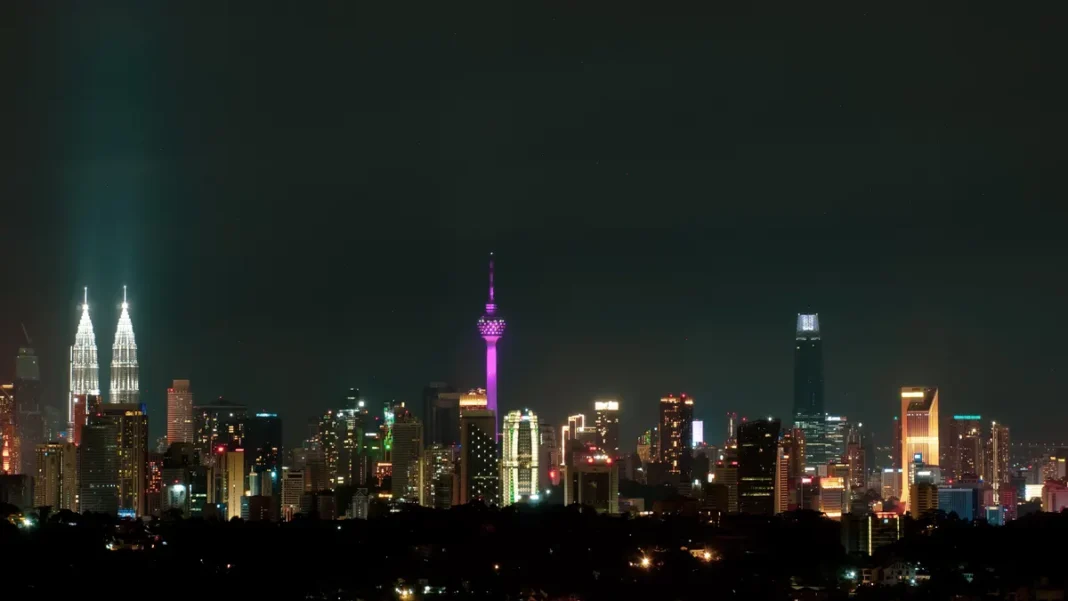
Malaysia Extends Digital Nomad Visa Stay to Four Years
Malaysia will allow eligible digital nomads to stay for up to four years under new rules for its DE Rantau Nomad Pass, doubling the current two-year limit. The Malaysia digital nomad visa change takes effect on 1 December 2026, and the Malaysia Digital Economy Corporation (MDEC) has paused new applications until 30 November to prepare for the switch.
Under the revised rules, eligible applicants will first receive a 12-month pass, which they can renew three times for another 12 months each. The change gives remote workers and freelancers a longer planning horizon in a country that has courted location-independent professionals since the pass launched in October 2022.
What changes under the Malaysia digital nomad visa rules
The headline change is the stay limit. The programme previously allowed an initial stay of three to 12 months, with extensions of up to another 12 months, and capped the total stay at two years. From 1 December, the total rises to four years through one initial pass and up to three renewals.
MDEC has temporarily suspended new applications from 1 November to 30 November to prepare for the changes. Applications will reopen on 1 December, and applications filed from that date will be assessed under the revised criteria.
Existing pass holders have one protection during the pause. Those whose initial permits expire by 31 January 2027 can still submit their first renewal applications during the suspension period. Holders with later expiry dates will renew under the new framework from 1 December.
Who can apply and what it costs
The DE Rantau Nomad Pass is open to foreign freelancers, independent contractors and remote employees. Applicants must meet the programme’s minimum annual income requirements and provide proof of employment or active contracts lasting more than three months.
Freelancers and independent contractors can work with Malaysian or foreign companies. Remote employees must have an employment agreement with a company based outside Malaysia.
The application fee is MYR 1,000 for the main applicant and MYR 500 for each dependent. Eligible family members can also accompany pass holders.
MDEC’s published criteria set the annual income bar at USD 24,000 for tech talent and USD 60,000 for non-tech talent. Applicants should confirm the current figures on the official DE Rantau portal before they apply, as MDEC publishes the final criteria there and the new framework takes effect on 1 December.
How the pass compares with a tourist visa
The pass offers more than a longer stay. It carries multiple-entry privileges, so holders can travel in and out of Malaysia throughout its validity. A standard tourist visa generally permits stays of up to three months with a single entry.
It also gives freelancers more freedom than the short-term Professional Visit Pass, which restricts foreign professionals to working for a Malaysian company. The digital nomad programme allows freelancers and independent contractors to work with multiple local and international clients.
Malaysia introduced the initiative to attract international remote workers, joining countries such as Thailand and Sri Lanka in offering immigration options for digital professionals.
What the change means for Pakistani remote workers
The longer stay matters most for Pakistanis who already earn from foreign clients. Pakistan’s IT exports hit a record in October, and a large share of that work comes from freelancers and small remote teams. Pakistan IT exports hit a record $453m in October, which shows how much remote work now flows through the country.
For those workers, a four-year pass turns Malaysia from a short posting into a stable base. A family can settle, children can join on a dependent pass, and contracts can run for years without a visa break. The multiple-entry right also means a holder can travel home or to clients without losing status.
The income bar is the real filter. Tech workers need to show steady annual earnings, and freelancers need contracts that run for more than three months. Those who already work through platforms or long-term clients will find that test easier than newcomers.
Anyone planning a move should use the pause well. Fewer Pakistanis went abroad for jobs in 2026, so a legal remote-work route stands out from the shrinking job-migration path. Before applying, check the visa guide for Pakistani passport holders and the list of e-visa countries for Pakistan to compare routes.
New applications reopen on 1 December, so prospective applicants have two weeks to gather income proof, contracts and dependent documents.
Frequently asked questions
How long can digital nomads now stay in Malaysia?
Up to four years. The DE Rantau Nomad Pass gives an initial 12-month stay, renewable three times for 12 months each, under the rules that take effect on 1 December 2026.
When do the new Malaysia digital nomad visa rules start?
The revised rules take effect on 1 December 2026. MDEC paused new applications from 1 November to 30 November, and applications reopen on 1 December.
Who can apply for the DE Rantau Nomad Pass?
Foreign freelancers, independent contractors and remote employees can apply. Applicants must meet the minimum annual income requirements and show employment or active contracts lasting more than three months.
Can existing pass holders renew during the pause?
Yes, in one case. Existing pass holders whose initial permits expire by 31 January 2027 can still submit their first renewal applications during the suspension period. Others renew under the new framework from 1 December.
Does the pass lead to permanent residence?
No. The DE Rantau Nomad Pass is a temporary pass and gives no route to permanent residence or Malaysian citizenship.