Pakistan Diabetes Crisis Hits 34.5 Million People
The Pakistan diabetes crisis now affects 34.5 million people, with one in every three adults living with the disease, health experts warned at a seminar in Karachi. The seminar, organised by Ziauddin University to mark World Diabetes Day, heard calls for early diagnosis and effective treatment to prevent life-threatening complications.
Vice Chancellor Dr Muhammad Ali Shaikh stressed the need to catch the disease early and treat it properly. “Diabetes is the mother of many diseases. We need to address this very seriously because once we prevent or treat it, we can protect our population from numerous other life-threatening complications,” he said.
Pakistan Endocrine Society President Dr Ali Asghar warned that diabetes could severely damage the heart, kidneys and liver. He said treatment must go beyond controlling blood sugar levels and cover the full range of risks the disease creates.
Dr Uzma Ghori highlighted Pakistan’s exceptionally high diabetes burden, while Dr Fatima Jehangir raised concerns over rising obesity, which is closely linked to the disease.
Why the Pakistan diabetes crisis matters
Diabetes develops when the body cannot control blood sugar properly. Over time, high blood sugar damages blood vessels and nerves, which is why the disease raises the risk of heart attacks, strokes, kidney failure, blindness and amputations. Many people live with it for years without knowing, because the early signs can be mild or easy to miss.
That is why the experts at the Karachi seminar put early diagnosis first. A simple blood sugar test can find the disease before it causes lasting harm, and treatment started early works far better than treatment started late.
The scale of the problem sets Pakistan apart. One in three adults with the disease means that almost every family in the country has someone affected, whether they know it or not. The burden falls on households through the cost of medicines and tests, and on hospitals through the complications that follow when the disease goes untreated.
Children are not spared either. Type 1 diabetes needs daily care, and families need clear guidance on managing it. Parents also need to know how to protect children from developing the disease later in life.
What prevention looks like
The experts’ message was practical rather than alarming. Weight control, regular physical activity and a balanced diet lower the risk of type 2 diabetes, which is the most common form. Regular screening matters just as much, above all for people with a family history of the disease, people who are overweight and people over 40.
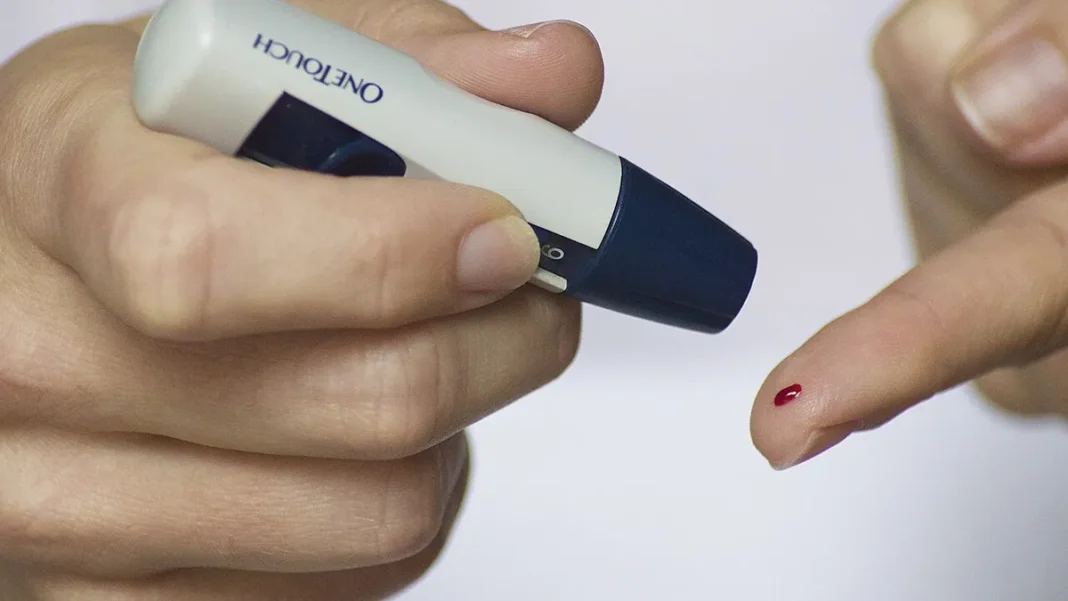
Technology is making that screening easier. New glucose sensors, such as the Huawei Sense G1, let people track blood sugar without repeated finger pricks. But a device on its own is not treatment. The readings still need a doctor’s judgment, and treatment still needs to cover blood pressure, cholesterol and kidney health alongside blood sugar.
What happens next
The seminar’s warning is clear: Pakistan cannot treat its way out of a crisis affecting 34.5 million people. Prevention has to come first, through awareness, screening and healthier daily habits, while treatment has to reach people early enough to stop the damage. Better primary care would help as well: the World Bank is supporting a health programme in Pakistan aimed at strengthening services, and diabetes care is one of the areas where it would make the largest difference.
World Diabetes Day is a reminder of that task each year. The test now is whether the warning from Karachi turns into screening camps, school health programmes and clinics that can find the disease before it harms the people living with it.
Frequently asked questions
How many people in Pakistan have diabetes?
Health experts say 34.5 million people in Pakistan are affected, and one in every three adults is living with the disease.
What is diabetes?
Diabetes is a condition in which the body cannot control blood sugar properly. Over time, high blood sugar can damage the heart, kidneys, liver, eyes and nerves.
Why is early diagnosis important?
Early diagnosis allows treatment to start before the disease causes lasting damage. A simple blood sugar test can find diabetes before serious complications develop.
How can people lower their risk?
Weight control, regular physical activity, a balanced diet and regular screening lower the risk of type 2 diabetes, above all for people with a family history of the disease.
What did the Karachi seminar call for?
The seminar at Ziauddin University, held to mark World Diabetes Day, called for early diagnosis, effective treatment and serious public attention to a disease the speakers called the mother of many diseases.