75,000 Tolas Gold Punjab Rivers, Report Says
Punjab has reported gold deposits in its rivers, with a preliminary National Engineering Services Pakistan (NESPAK) report putting 75,000 tolas of gold in a single block. Provincial Minister for Minerals Sardar Sher Ali Gorchani confirmed the find, and the 75,000 tolas gold Punjab report puts the value of that one block at more than Rs30 billion.
ProPakistani reported the development on 18 November 2026. The minister said deposits in Attock, Mianwali and the Sutlej river areas have been divided into nine blocks. NESPAK has started surveys to fix the amount of gold in the remaining blocks, and the government plans an international auction for exploration and extraction once final reports are ready.
The figure is a preliminary estimate, not a final proven reserve.
What the 75,000 tolas gold Punjab report says
That block holds 75,000 tolas of gold worth more than Rs30 billion, according to the minister. Extraction will need about Rs20 billion in investment, he said, and the total value could reach hundreds of billions of rupees.
A separate Geological Department report puts 480,000 tolas in two blocks, though the minister did not say which ones. Both are early estimates from different surveys of the same river belt.
How much gold is that in plain terms
One tola equals 11.664 grams, the standard weight in Pakistan’s gold trade. On that basis, 75,000 tolas works out to about 875 kilograms, or just under 0.9 tonnes. The 480,000 tolas in two blocks equals about 5.6 tonnes.
Those weights put the new figures in context. They are far smaller than the 2.8 million tolas estimated at Attock in early 2025, about 32.6 tonnes. The new numbers cover single blocks, while the 2025 estimate covered a 32-kilometre stretch of river.
The Rs30 billion figure is also a snapshot at current prices, since the value of river gold will rise or fall with the metal’s price. The price has moved sharply in recent weeks: gold fell below Rs400,000 a tola in November after falling Rs15,800 in two days.
What happens next
NESPAK has begun surveying the remaining blocks. Once final reports for all nine blocks are compiled, the government will start an international auction for exploration and extraction.
A high-level committee has been formed to handle the auction, subject to approval from the provincial cabinet, which must also set reserve prices for the blocks before bidding can start.
Illegal mining is a live concern. The government imposed Section 144 in Attock to ban unauthorised gold extraction, and Khyber Pakhtunkhwa has run its own crackdown on illegal gold mining in Kohat.
The longer story behind the find
This is not the first time Punjab has announced river gold. In January 2025, the provincial government said about 2.8 million tolas of gold had been found in a geological survey in Attock, valued then at Rs600 billion to Rs800 billion. The Geological Survey of Pakistan had studied about 32 kilometres of the Indus between Ghazi Barotha and Attock Khurd Bridge, and its report of 17 January 2025 estimated 32 to 32.6 metric tonnes of placer gold.
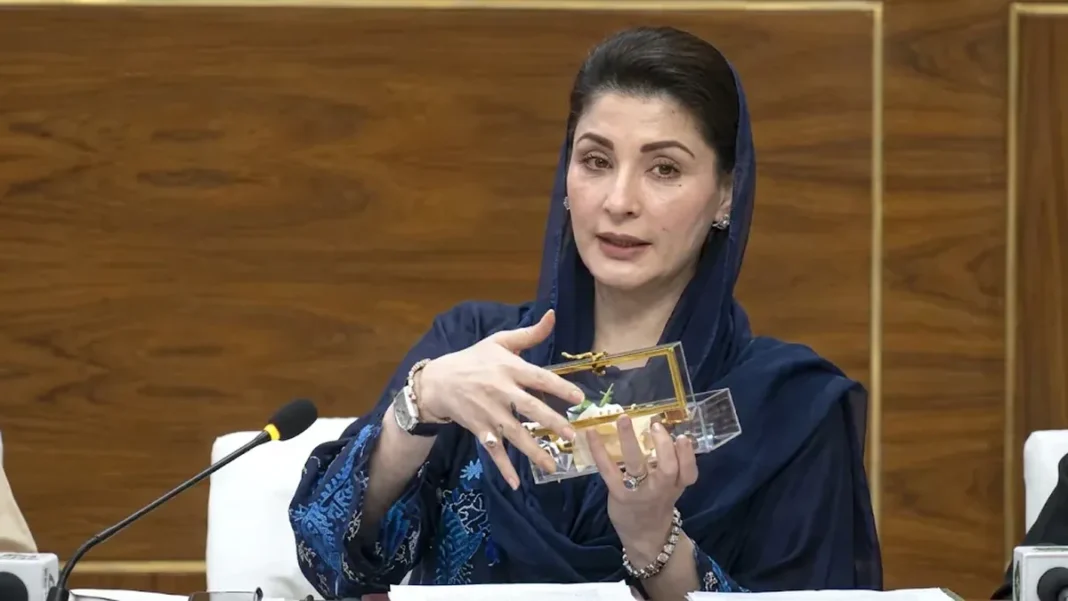
The story returned on 12 November 2026, when Chief Minister Maryam Nawaz told the Pakistan Minerals Investment Forum in Islamabad that massive gold deposits had been found in all five rivers of Punjab: the Indus, Jhelum, Chenab, Ravi and Sutlej. She said pure gold was flowing through the rivers and showed a small sample from river sand.
The minister’s figures are the first block-by-block numbers to follow the chief minister’s claim, and the surveys now under way will test whether the early estimates hold up.
Why the find matters for Punjab
If the reserves prove real, Punjab would gain a new source of mineral income. River gold, known as placer gold, sits in sand and gravel on riverbeds, and pulling it out needs dredging, washing and processing plants.
Foreign interest in Pakistan’s minerals is already growing, and Finland has signalled investment in Pakistan’s energy and minerals sectors.
The numbers also matter for the wider economy. Pakistan’s exports hit a record $11.4 billion in July-October, and a domestic gold find would add a fresh export or reserve asset if extraction proves viable. But until NESPAK finishes its surveys and the auction terms are set, the gold is a promising estimate, not money in the bank.
Frequently asked questions
How much gold has been found in Punjab’s rivers?
A preliminary NESPAK report puts 75,000 tolas of gold in a single block, worth more than Rs30 billion. A Geological Department report puts 480,000 tolas in two blocks. Surveys of the remaining blocks are still under way.
Where exactly are the gold deposits?
The deposits lie in Attock, Mianwali and the Sutlej river areas, divided into nine blocks. The best known site is the meeting point of the Kabul and Indus rivers in Attock, where earlier surveys covered a 32-kilometre stretch.
How much is 75,000 tolas of gold worth?
The provincial minister said the 75,000 tolas in one block are worth more than Rs30 billion at current prices. About Rs20 billion in investment would be needed to extract it.
When will mining of the gold start?
No date has been set. NESPAK must finish surveying all nine blocks, final reports must be compiled, and an international auction for exploration and extraction must follow. A high-level committee has been formed to handle the auction, subject to cabinet approval.
Has gold been found in Punjab’s rivers before?
Yes. In January 2025 the Punjab government announced about 2.8 million tolas of gold at Attock, valued then at Rs600 billion to Rs800 billion. In November 2026 Chief Minister Maryam Nawaz said gold deposits had been found in all five rivers of Punjab.