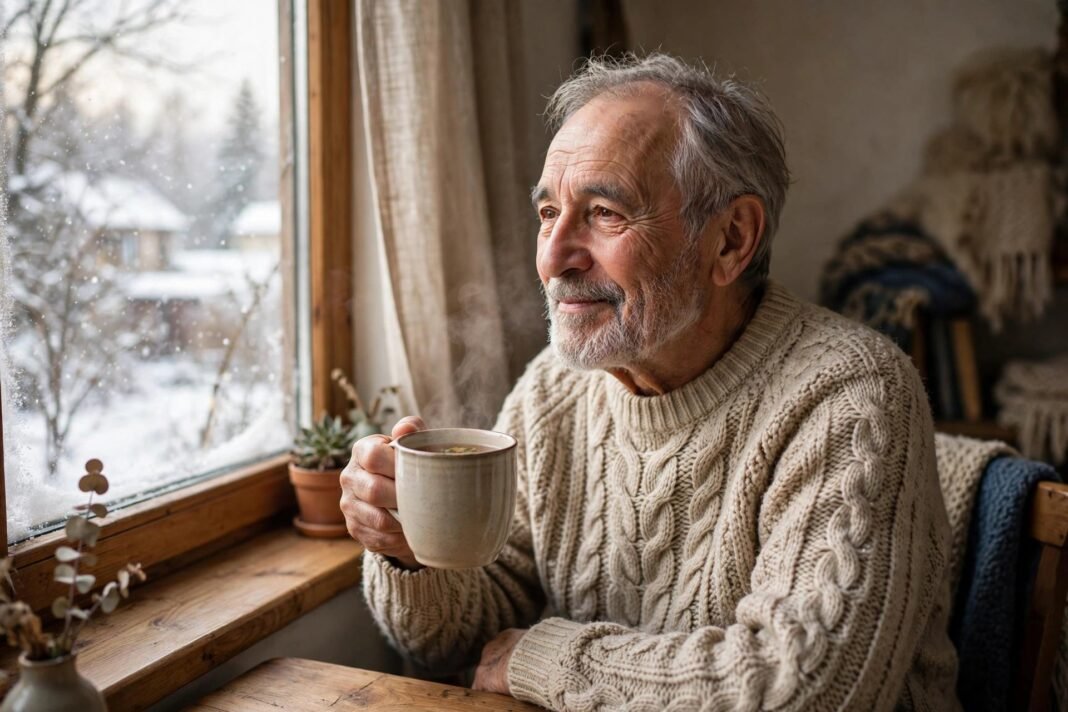
The house felt fine to everyone else. Yet Grandmother sat in her favourite chair with two cardigans on, and her hands felt like ice. Her words came out slow and mixed up, and she seemed strangely tired. She was not simply cold. In fact, her body was losing heat faster than it could make warmth. Learning the hypothermia signs older adults show can help a family act before a quiet evening turns into an emergency.
Hypothermia means the body has grown too cold to work properly. It sounds like a problem of snowstorms and mountains. However, in older adults it often begins at home, in a cool room, over many slow hours. So the signs matter, because early help makes a real difference.
Why Hypothermia Signs in Older Adults Are Easy to Miss
As we age, the body makes less heat than it once did. Older skin is thinner, and there is often less fat beneath it to hold warmth in. As a result, heat escapes from an older body much faster. Blood also moves more slowly in later life, so the body struggles to protect its core.
At the same time, many older people feel the cold less clearly. The usual warning signal simply grows weaker with age. Consequently, an older person may sit in a cold room for hours without adding a layer or turning up the heat. They are not being careless. Instead, their body has not told them that danger is near.
Certain long-term health problems can raise the risk further. For example, conditions that affect the nerves, the thyroid, or blood sugar can blunt the sense of cold even more. Some common medicines also change how the body handles temperature. In addition, cold air itself strains older lungs, and cold air breathing problems in winter can leave an older person weaker and slower to respond.
Loneliness plays a quiet part too. An older person living alone may eat less, move less, and heat fewer rooms to save money. Little by little, the house grows colder. Meanwhile, nobody nearby notices the change.
The Warning Signs Every Family Should Know
Shivering is usually the first sign. The body shakes to make heat, much like a small engine working hard. However, shivering in an older person may look mild, and families often brush it aside. Persistent shivering on a cold day should always catch your attention.
The mind often shows the next changes. An older person may seem confused, forgetful, or unusually vague. Their speech may slow down or slur, and simple answers may come out mixed up. In fact, families sometimes mistake these changes for tiredness or a bad day. In other words, a sudden change in thinking on a cold day is a warning sign, not a mood.
The body gives clear clues as well. Skin may feel very cold to touch, especially on the hands, feet, and stomach. It may also look pale and dry. Moreover, the person may move slowly, fumble with buttons, or stumble over small steps. Unusual tiredness is another key sign. Above all, an older person who seems drowsy and hard to wake needs urgent help.
Later signs are more serious still. Shivering may stop, even though the person is colder than before. Breathing may grow slow and shallow, and the person may respond less and less. At that stage, every minute counts. So trust what you see, and act.
Hypothermia Signs in Older Adults: What to Do at Once
First, call emergency services straight away. Hypothermia can worsen quickly, and older adults need professional care even when they seem only mildly affected. Then stay with the person until help arrives. Your calm presence matters more than you may think.
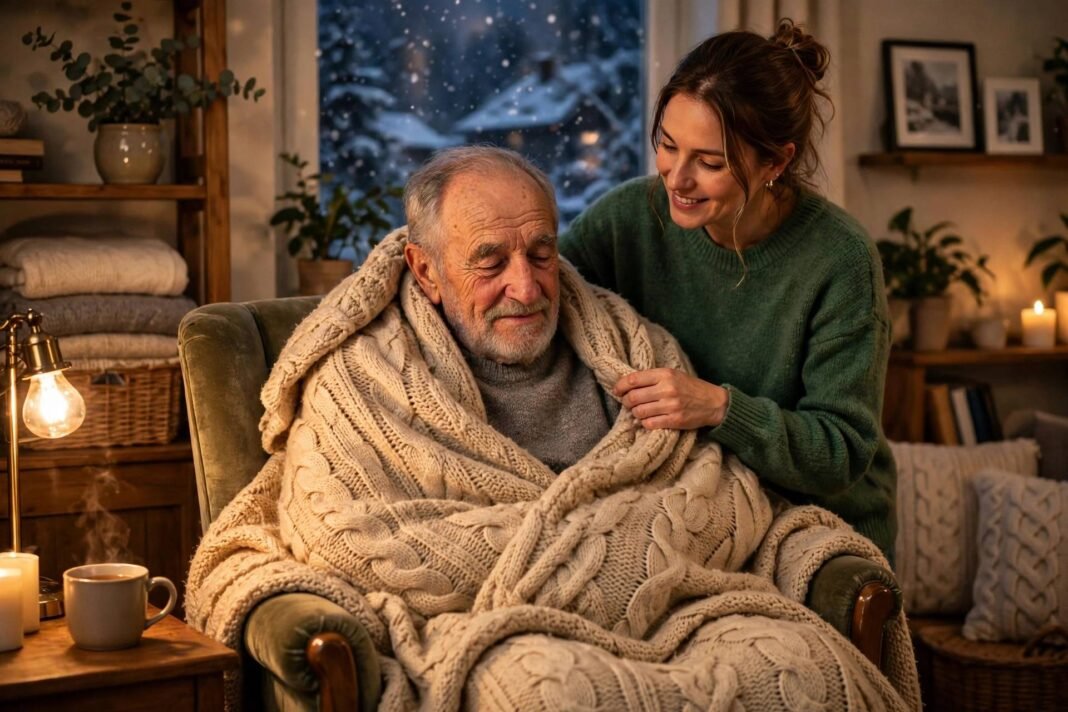
While you wait, move the person gently into a warmer room if you can. Handle them slowly and with care, because sudden rough movement can strain a cold heart. Next, remove any wet clothing, and wrap them in dry blankets or coats. Cover the head and neck too, since a great deal of heat escapes there.
If the person is fully awake and can swallow safely, offer small sips of a warm, sweet drink. Warm soup can help as well. However, never give alcohol, because it speeds up heat loss and clouds the mind. Similarly, never use hot water, a hot bath, or direct heat against the skin. Sudden strong heat can burn cold skin and shock the body. Gentle, steady warmth is always the safer path.
This article is general information, not medical advice. Please speak to a healthcare professional if you are worried about your health.
Simple Ways to Keep an Older Person Warm at Home
Prevention begins with a warm home. Keep the main living room comfortably warm through the day, and warm the bedroom before sleep. Health guidance commonly suggests a room temperature of at least 18°C for older people. In addition, close curtains at dusk, and block cold draughts under doors.
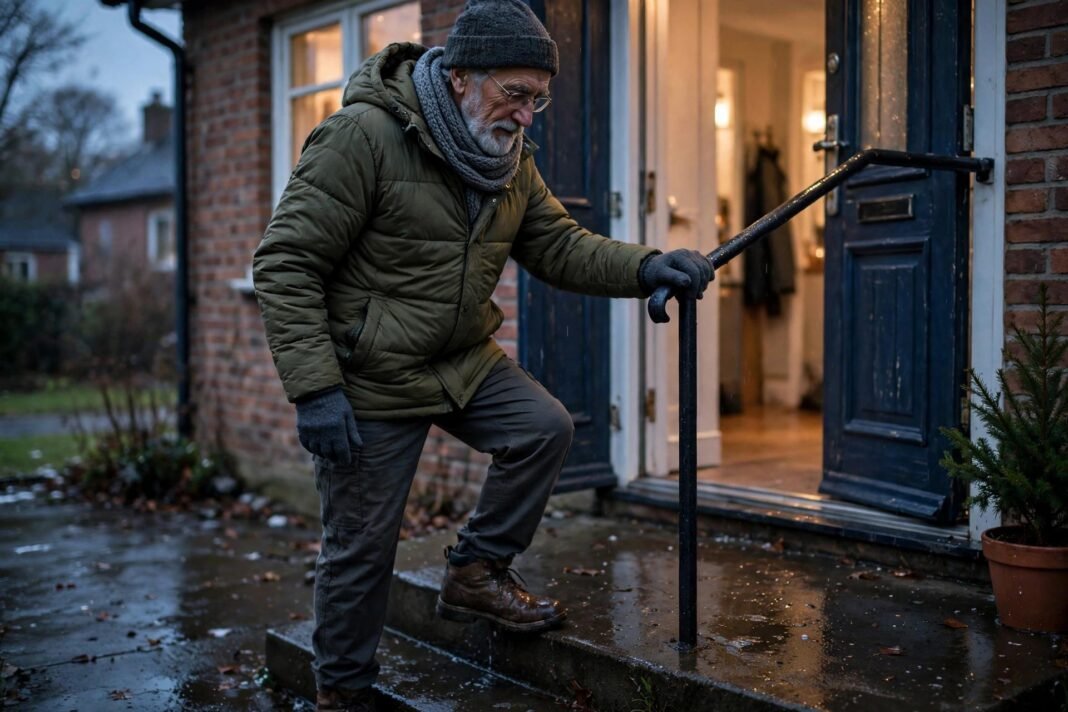
Warm clothing helps in layers. Loose layers trap heat better than one thick garment. Warm socks, slippers with a firm sole, and a hat indoors on very cold days all help. Similarly, a warm blanket over the knees makes long sitting hours safer and kinder. Safe footwear matters too, because stiff, cold muscles raise the chance of a fall, and these fall prevention tips for seniors can make the home safer still.
Food and drink are quiet forms of warmth. Regular hot meals give the body fuel to make heat. Warm drinks through the day help as well, especially for someone who rarely feels thirsty. Finally, check in often during cold spells. A daily visit or call can catch small changes early, before they grow into danger.
Winter will always bring cold days. However, a warm home, a watchful family, and quick action can keep those days safe. Your older loved ones have spent years looking after others. Now a little warmth and attention can look after them. Who will you check on first when the next cold evening comes?