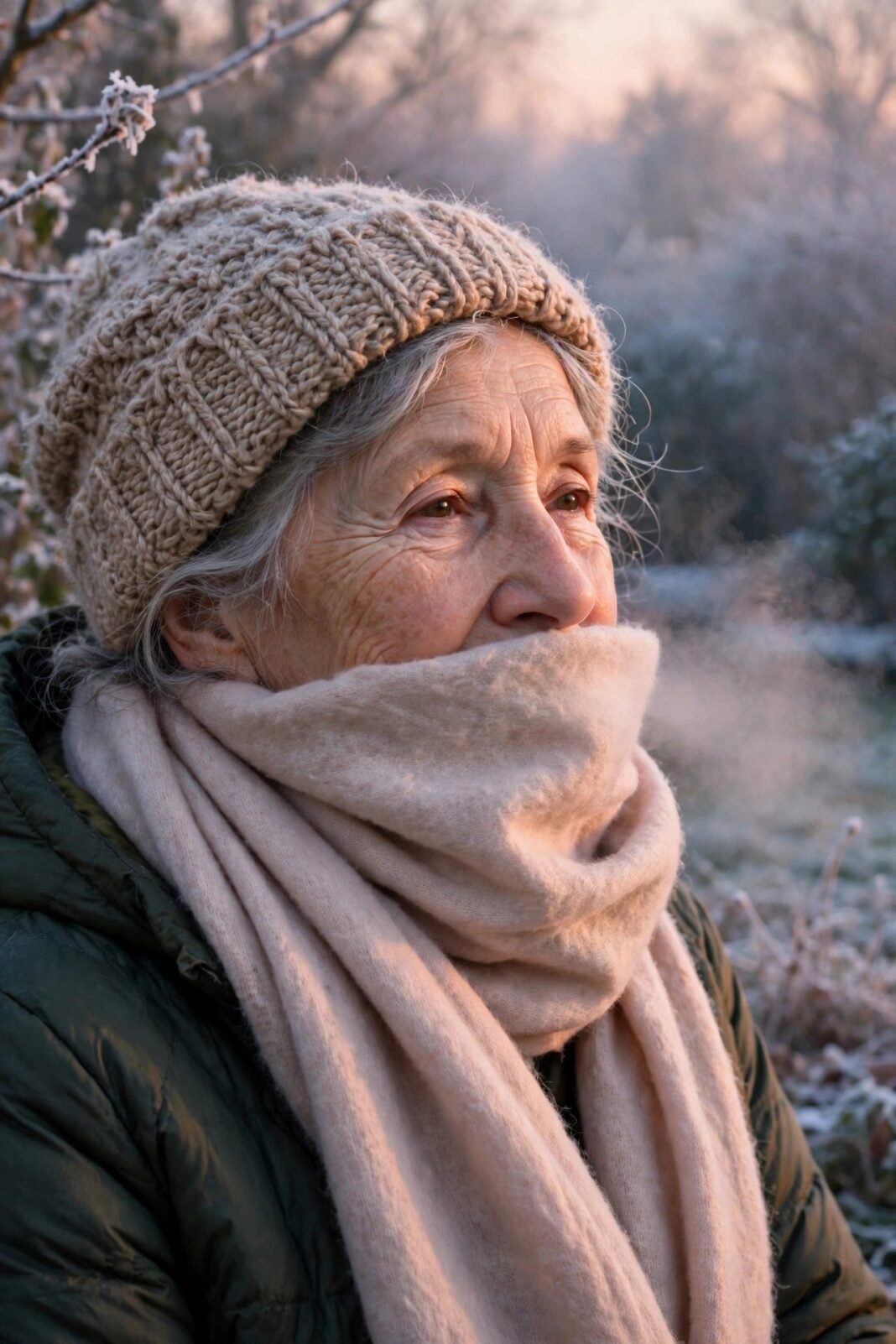
The morning is bright and frosty, and you step outside with your shopping bag. Then the first breath of cold air hits your chest like a shock. Suddenly, your breathing feels tight, and a cough catches you by surprise. You pause at the gate until the feeling passes. If this sounds familiar, you are not alone, because winter breathing problems elderly people face are common in cold months.
A short walk that felt easy in October can feel like hard work in January. Meanwhile, the cold is only part of the story. Indeed, your lungs have changed slowly over the years, and winter simply reveals those changes. However, small daily habits can protect your chest a great deal. This guide explains why cold air troubles older lungs, and it shares gentle steps that help.
Why Winter Breathing Problems Elderly People Face Get Worse in the Cold
Firstly, lung tissue loses some of its stretch as the years pass. Healthy lungs expand and spring back with every breath, much like a soft balloon. Over time, however, the tiny air sacs lose their shape and move air less efficiently. As a result, each breath brings in slightly less oxygen than before.
Secondly, the muscles that drive breathing grow weaker with age. The diaphragm and the chest muscles do the hard work behind every breath. When these muscles tire, deep breaths and strong coughs become harder. Consequently, mucus and germs stay in the airways longer than they should.
In addition, the cough reflex becomes less sensitive over time. Airway nerves react more slowly to dust, smoke, and germs. Therefore, the body clears harmful particles less quickly and less completely. Meanwhile, the immune system also responds more slowly in later life. For this reason, winter chest infections can take hold faster and linger longer.
Cold, dry air then adds another challenge on top of these changes. When freezing air rushes into the airways, the airways can narrow and tighten. Our guide to why cold air makes breathing harder in winter explains this reaction in simple detail.
Cold Air, Indoor Smoke, and Dust: The Hidden Triggers at Home
Winter danger does not live only outdoors, however. Indoors, heating dries the air in your rooms for hours each day. Dry air can thicken the mucus in your chest. As a result, thick mucus becomes harder to cough up and clear. Consequently, your airways feel blocked and irritated by the evening.
Smoke and dust add further strain on sensitive lungs. Wood smoke, cigarette smoke, and strong cleaning sprays can irritate older airways. Similarly, dust gathers quietly on carpets, curtains, and bedding through the season. In fact, a chest that copes well in summer may struggle in a smoky, dusty room.
Winter infections complete the picture, unfortunately. Colds and flu spread quickly when families gather indoors with closed windows. For older lungs, even a mild cold can settle on the chest and deepen. Understanding these triggers is the first step toward easing winter breathing problems elderly people experience at home. Our simple guide to avoiding seasonal colds and flu shares habits that lower that risk.
Simple Steps That Ease Winter Breathing Problems Elderly Readers Can Use
Firstly, warm the air before it reaches your lungs. Wrap a scarf loosely over your nose and mouth when you go outside. The scarf traps warmth and moisture from your own breath. Consequently, the air you breathe in feels softer and far less shocking. Also, breathe in through your nose whenever you can, because your nose warms and filters the air.
Secondly, keep your home warm and its air gentle. Aim to keep the rooms you use most at 18°C or above. Also, open a window briefly each day to let fresh air in. In addition, dust surfaces with a damp cloth, so dust leaves the room instead of filling the air.
Also, protect yourself from infections with simple daily habits. Wash your hands often, especially after shopping or using public transport. Stay up to date with the yearly flu vaccination offered to older adults. Ask your doctor, too, which other vaccines suit you. Furthermore, stay gently active indoors, because regular movement helps your chest clear mucus. Finally, drink warm fluids through the day, since hydration keeps mucus thinner and easier to clear.
Warning Signs That Need a Doctor Fast
Most winter coughs settle with rest and time. However, some signs mean your lungs need urgent help. Seek medical help the same day if your breathlessness grows worse instead of better. Also, act quickly if a cough brings up green, yellow, or bloody mucus for several days.
Call emergency services at once if you cannot catch your breath at rest. The same urgency applies if your lips or fingertips look blue or grey. Confusion, unusual drowsiness, chest pain, or trouble finishing a sentence also demand immediate help. Above all, trust your instincts, because you know your own breathing better than anyone.
This article is general information, not medical advice. Please speak to a healthcare professional if you are worried about your health.
Winter will always test older lungs, yet it does not have to rule your season. With a warm scarf and a cosy home, most days can still feel calm and comfortable. Indeed, many older adults breathe more easily all winter once they understand their triggers. Above all, be patient with yourself, and rest whenever your chest asks you to rest. So tell us — which small winter habit helps your breathing the most?