The kettle has just boiled, and the evening feels calm and ordinary. Then a small cough starts in the next room. It sounds harmless at first, yet it lingers through the night. For older adults, a simple winter cough can slowly turn into something far more serious. The good news, however, is gentle and hopeful. Small daily habits can prevent pneumonia in seniors and keep their lungs safe all winter.
Pneumonia is an infection that fills the tiny air sacs in the lungs with fluid. As a result, breathing becomes harder, and the body struggles to get enough oxygen. However, this illness rarely arrives without small warnings along the way. In fact, it often begins as a cold or flu that the body cannot fully shake off. So small acts of care, done early and daily, truly matter.
Why Older Lungs Need Extra Care in Winter
As we grow older, the immune system quietly slows down. Therefore, the body fights germs more slowly than it once did. In addition, the cough reflex becomes weaker with age. That weaker cough makes it harder to clear mucus from the chest. Meanwhile, winter air is cold and dry, and it irritates the airways. People also spend more time indoors together, so germs pass from person to person more easily.
Many older adults also live with long-term conditions like diabetes or heart disease. These conditions already ask a great deal of the body. Consequently, a chest infection can become serious much faster in an older person. That is exactly why prevention deserves gentle, daily attention.
Winter also changes daily habits in quiet ways. Older people often drink less water in cold weather, and heated indoor air dries the airways further. Dry airways catch germs more easily, and thicker mucus becomes harder to clear. In addition, shorter days can lower mood and energy, so rest and appetite suffer. Each small change adds a little more strain on the lungs.
Simple Daily Habits That Prevent Pneumonia in Seniors
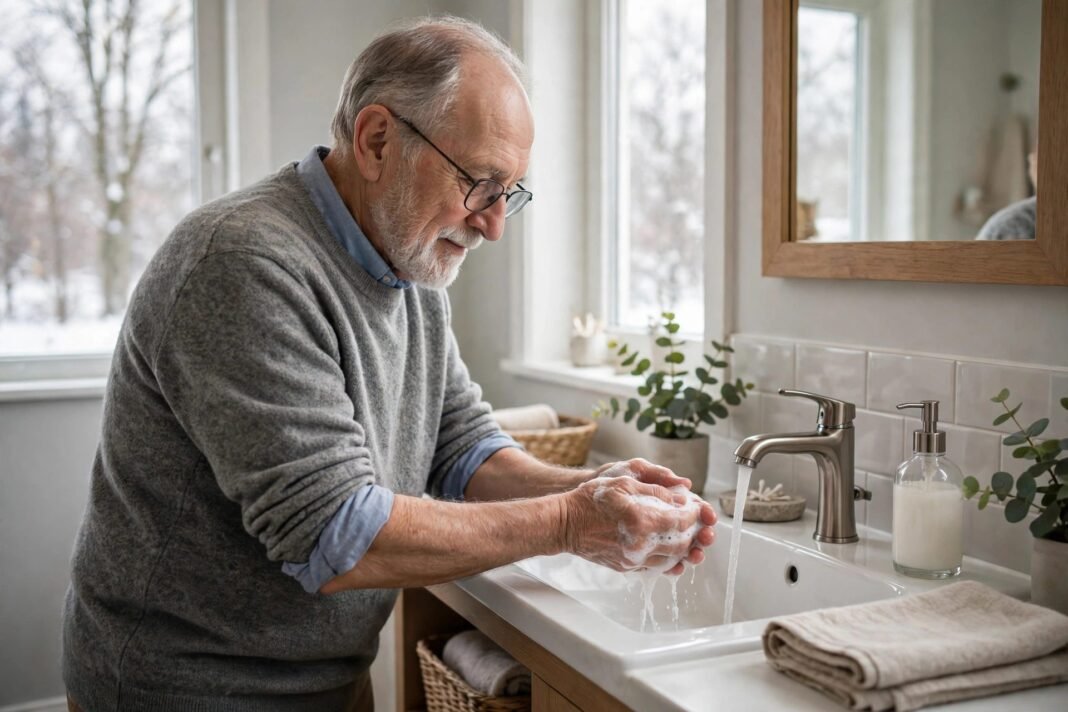
Firstly, hand washing is one of the strongest and simplest shields. Wash hands with soap after outings, before meals, and after coughing or sneezing. Germs travel on hands to the mouth and nose without us noticing. In addition, keep some distance from anyone who is coughing or unwell. A kind visit can wait a few days, and a phone call works beautifully meanwhile.
Secondly, keep the air at home as clean as you can. Smoke irritates the lungs and weakens their natural defences over time. So if anyone at home smokes, ask them kindly to smoke outside, away from the older person. Also, open a window briefly each day to let fresh air move through the rooms. Fresh air helps clear the germs that gather indoors during winter.
Simple manners protect lungs too. Cover every cough and sneeze with a tissue or your elbow. Then throw the tissue away at once, and wash your hands again. Also, ask visitors to wash their hands when they arrive at your home. Most guests happily agree when you explain that it protects everyone’s health. These small courtesies quietly lower the number of germs in the air.
More Ways to Prevent Pneumonia in Seniors Every Day
Rest and early care matter more than many people realise. When a cold arrives, treat it gently and early instead of pushing through it. Warm drinks, enough rest, and simple home comforts help the body recover. Our guide on how to avoid getting sick with autumn colds and flu shares more easy ideas for the whole family. If a cold keeps getting worse instead of better, call a doctor sooner rather than later.
Staying gently active also protects the lungs. Short walks and light movement around the house keep the chest working well. In addition, regular movement supports the whole body, as our article on ways to boost immunity naturally explains in simple steps. Eating well matters too. Warm, balanced meals with vegetables, fruit, and enough protein help the body stay strong.
Mouth care is a quiet hero in this story. Bacteria from the mouth can travel down into the lungs, especially during sleep. So brush the teeth twice a day, and clean dentures carefully every day. Finally, there is one more step worth taking. You can ask your doctor whether the flu and pneumonia vaccines are right for you. That short conversation can add a strong layer of protection for the winter ahead.
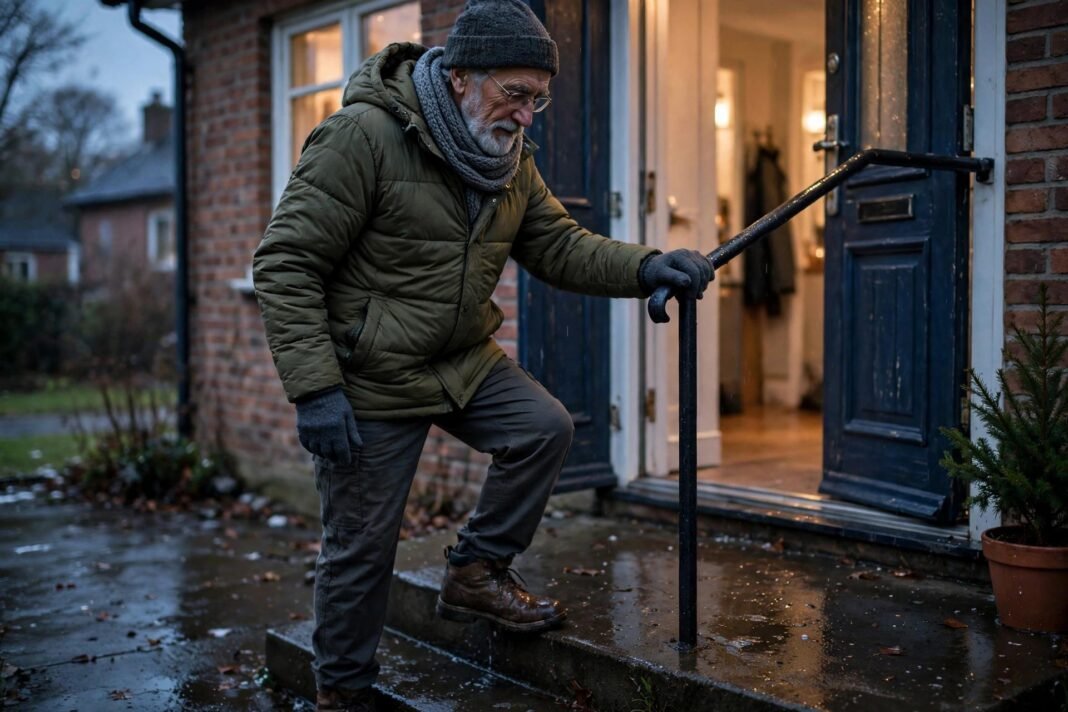
Keeping warm also helps more than people think. Cold air can tighten the airways, so wrap a scarf loosely over the nose and mouth outdoors. At home, keep the main living room comfortably warm during the day. In this way, warmth helps the body save its energy for fighting germs instead.
Warning Signs That Need Quick Medical Help
Even with great care, infections can still take hold. So watch closely when an older person has a cold or a chesty cough. Seek medical help quickly if breathing becomes fast, hard, or noisy. Also act fast if there is chest pain when breathing in, or a fever that will not settle. Confusion, unusual sleepiness, or bluish lips are also urgent warning signs. In such moments, do not wait and watch at home. Instead, get medical help the same day.
This article is general information, not medical advice. Please speak to a healthcare professional if you are worried about your health.
Protecting an older person’s lungs does not need fear or fuss. It needs small habits, repeated with love, day after day. A bar of soap, a warm meal, a short walk, and a clean smile can do remarkable work. Above all, your attention is the greatest protection of all. So tell us — which of these simple habits will you start in your home this week?