Balochistan Iranian Oil Ban on Makran Passenger Buses
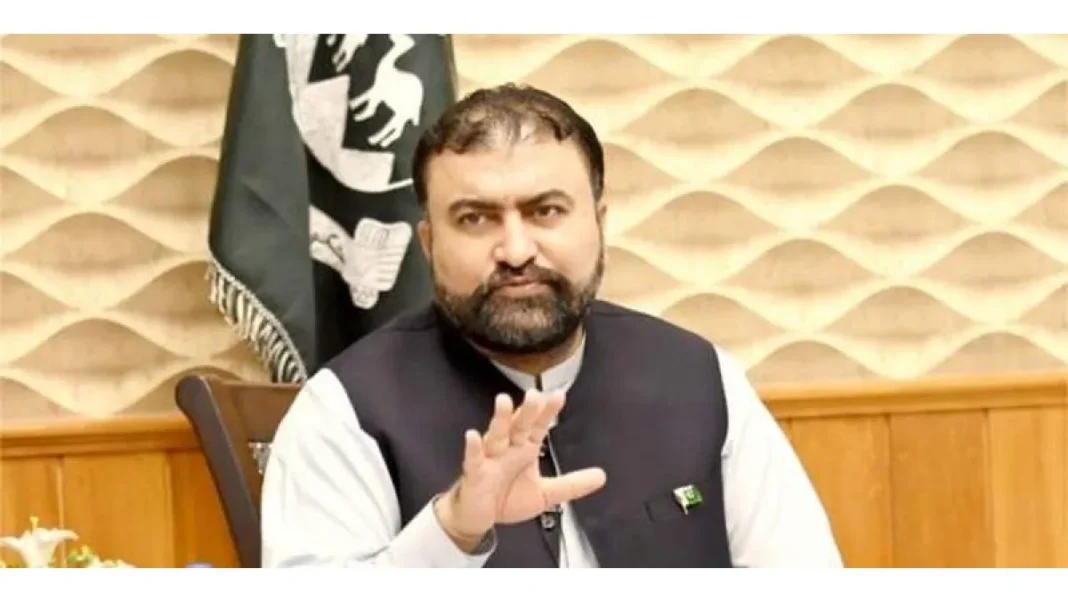
Balochistan has banned the transport of Iranian oil in passenger buses on the Makran route. The provincial government decided public transport must not be used to move smuggled fuel. The Balochistan Iranian oil ban was decided at a high-level meeting chaired by Chief Minister Mir Sarfraz Bugti in Gwadar on Friday.
Mr Bugti directed the authorities to enforce the ban at once and take strict legal action against transport companies and vehicles that break it. “Passenger buses are meant to provide safe travel facilities to the public and cannot be allowed to be used for the illegal transportation of oil,” he said, calling for strict compliance with the new directive.
What the Balochistan Iranian oil ban covers
The order covers passenger buses operating on the Makran route, which links Gwadar and the coastal districts with the rest of the province. Iranian fuel has long moved across the border in the region, and buses have been used to carry it alongside passengers. The announcement did not spell out how checks will be carried out at terminals and along the route. The ban comes as global oil prices trade near three-month lows on signs of rising supply.
The ban is the latest step in a long-running dispute over the Iranian fuel trade in Makran. Dawn reported in October 2024 that opposition members in the provincial assembly described the trade as a legitimate livelihood. They said about three million people depended on it, while the chief minister called the business illegal.
The fuel trade also matters for the wider relationship with Iran. An Iran-Pakistan trade deal is close to being finalised, with the first phase expected to start before the end of this year. Formal trade through legal channels would give border communities an alternative to the informal fuel business.
Schools, hospitals and water in the same meeting
The Gwadar meeting also reviewed public services across Makran Division, after a secretaries committee reported on its recent visit to Gwadar, Kech and Panjgur. Gwadar is also due to host a new engineering and technology institute built with China to train young people for port, shipping and maritime work.
The meeting approved a time-bound system for public complaints: immediate issues within seven to 10 days, medium-term matters within 20 days and long-term issues within 60 days. Departments were told to show tangible progress, and the chief minister warned against delays and negligence.
Makran Division has 1,472 schools and 10,236 teaching and non-teaching staff. The chief minister directed the authorities to match staffing to actual needs, strengthen teacher training and improve digital monitoring. The meeting approved funds for fuel and drivers to make 107 school buses operational.
Health and water were also reviewed. Officials must present a plan within 10 days for the District Headquarters Hospital in Gwadar and the GDA Trauma Centre. They must also keep adequate medical facilities at the Rural Health Centre in Tump until a planned 50-bed hospital is built. The meeting also reviewed the Shadi Kaur and Dassi dams, water supply in Jiwani, desalination plants and supply systems serving Gwadar and Pasni.
What happens next
Enforcement starts now, with transport companies facing legal action if their buses are found carrying Iranian oil. The seven to 60-day complaint deadlines will show whether the wider Makran package moves beyond paperwork. Security in the region remains a priority: the field marshal reviewed operations against externally sponsored terrorism during a visit to Turbat. Security forces killed 12 terrorists in four intelligence-based operations in Balochistan between November 20 and 23.
Frequently asked questions
What is the Balochistan Iranian oil ban?
A complete ban on transporting Iranian oil through passenger buses on the Makran route. The Balochistan government decided it at a meeting chaired by Chief Minister Sarfraz Bugti in Gwadar on Friday.
Which buses does the ban cover?
Passenger buses on the Makran route, which links Gwadar and the coastal districts with the rest of Balochistan. Transport companies and vehicles that break the ban face strict legal action.
What action will violators face?
The chief minister directed the authorities to take immediate and strict legal action against transport companies and vehicles found violating the ban, without discrimination.
Why is Iranian oil moved on the Makran route?
Iranian fuel has long moved across the border in the region, and the trade supports many livelihoods in Makran. Opposition members said in October 2024 that about three million people depended on it, while the government calls the business illegal.
What else was decided at the Gwadar meeting?
The meeting approved a complaint system with set deadlines. Immediate issues get seven to 10 days, medium-term matters 20 days and long-term issues 60 days. It also approved funds to run 107 school buses and ordered a plan within 10 days for the District Headquarters Hospital in Gwadar.