

Quick answer: Pakistani law is a common-law system headed by the Constitution of 1973. Crimes are defined in the Pakistan Penal Code (1860) and tried under the Criminal Procedure Code (1898); civil disputes run under the Civil Procedure Code (1908). Cases rise from district courts through five High Courts to the Supreme Court, and nearly 1,000 federal statutes are free to read on the official Pakistan Code portal.
Roots of the system
Pakistan inherited its legal skeleton from British India: statutes drafted in the 1800s, court procedure modelled on English practice, and the doctrine of precedent — lower courts follow the decisions of higher ones. After 1947, Pakistan kept the working codes (the PPC of 1860, the CrPC of 1898, the CPC of 1908, the Contract Act of 1872) and layered its own constitutions over them. Islamic law enters through the Constitution itself: Article 2A makes the Objectives Resolution a substantive part of the Constitution, and Article 227 bars laws repugnant to Islam — policed by the Federal Shariat Court.
The Constitution at the top
The Constitution of the Islamic Republic of Pakistan, 1973 is the supreme law. It guarantees fundamental rights (Articles 8–28), divides power between the federation and the provinces, and sets up Parliament, the executive and the judiciary. It has been amended 26 times — the 26th Amendment (2024) reshaped judicial appointments and curtailed suo motu powers. Any statute inconsistent with the Constitution can be struck down by the superior courts, which is why constitutional petitions under Article 199 of the High Courts matter so much in public life.
Courts and what they do
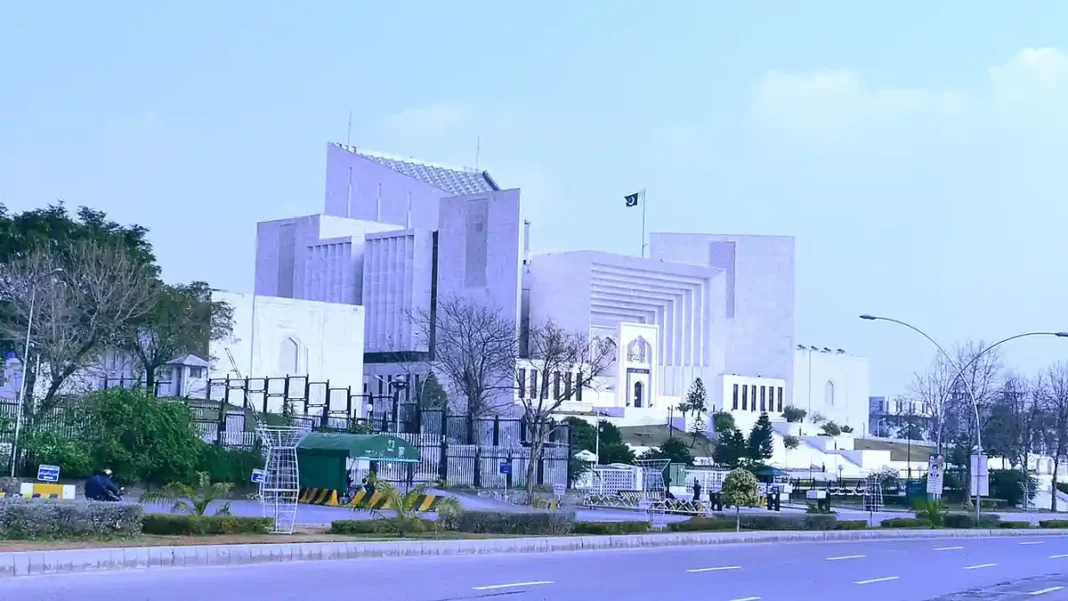
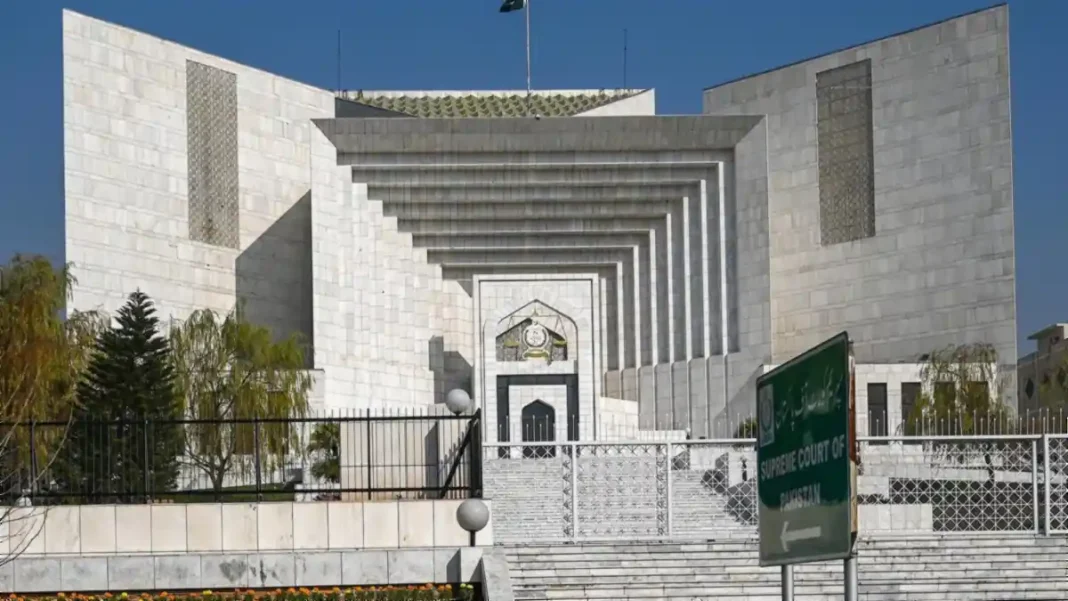
Most cases begin in the district judiciary — civil judges, magistrates and sessions courts. Appeals go to one of the five High Courts (Lahore, Sindh, Peshawar, Balochistan, Islamabad), which also hear constitutional writs directly. The Supreme Court in Islamabad is the final appellate court; its rulings bind every court in the country. Alongside them sit the Federal Shariat Court and special courts — anti-terrorism, accountability, banking — created by specific statutes.
The working codes
Three nineteenth-century codes still do the heavy lifting. The Pakistan Penal Code (1860) defines offences and punishments — Sections 302 (murder), 376 (rape), 420 (cheating) and 295-C (blasphemy) are household numbers. The Criminal Procedure Code (1898) governs FIRs, arrest, bail and trials, and the Civil Procedure Code (1908) governs civil suits. Evidence in both comes from the Qanun-e-Shahadat Order, 1984. For the full guided tour — sections tables, major acts and free reading sources — see the complete Pakistan law guide.
Related guides
Frequently asked questions
What type of legal system does Pakistan have?
A common-law system inherited from British India, headed by the 1973 Constitution, with Islamic provisions woven in through Articles 2A and 227.
What is the highest court in Pakistan?
The Supreme Court of Pakistan in Islamabad — the final court of appeal, whose decisions bind all courts below it.
Which is the main criminal law of Pakistan?
The Pakistan Penal Code, 1860 (PPC), which defines offences and punishments; procedure comes from the Criminal Procedure Code, 1898.