

Documenting abuses is one thing; understanding why they keep happening — and who is held accountable — is another. This guide examines the structural causes behind human rights abuses in Pakistan, the cases that forced the country to confront them, and the accountability mechanisms that exist when the state itself is the alleged abuser.
Quick answer: Human rights abuses in Pakistan persist because of weak enforcement of existing laws, low conviction rates, and institutional gaps — including an NCHR whose commission term ended in November 2025 with its legal status in question. Landmark accountability moments include the 2022 anti-torture law, the Supreme Court’s 2025 acquittal of Anwar Kenneth after 23 years on death row, and the NCHR’s 2026 Human Rights Tulip Award.
In this guide
Why Abuses Persist: The Structural Causes
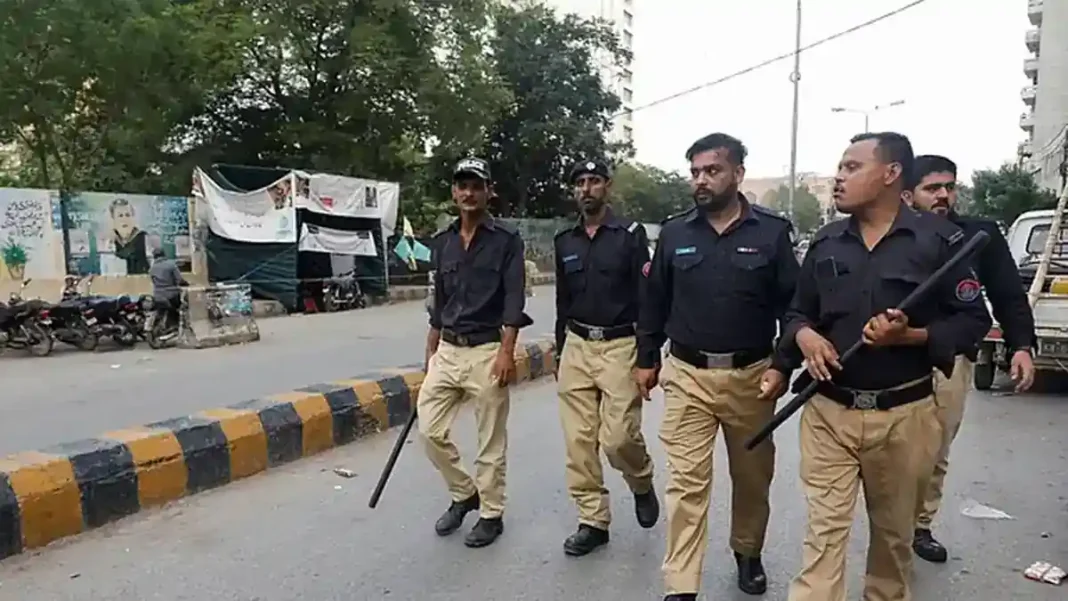
Pakistan is not short of rights legislation — it is short of enforcement. Four structural causes recur across every monitor’s reporting. First, low conviction rates: laws exist against honour killing, workplace harassment and torture, but prosecutions stall and convictions are rare. Second, police culture: the NCHR’s 150-station inspection programme found detention conditions and practices that the 2022 anti-torture law has not yet transformed. Third, social power structures: in forced-conversion cases, police frequently decline to register kidnapping complaints while lower courts accept coerced statements from minors, according to civil-society submissions to UN mechanisms. Fourth, institutional discontinuity: rights commissions repeatedly face vacancies and expired terms, weakening independent oversight.
Cases That Changed the Conversation
Individual cases have repeatedly forced national reckoning. Anwar Kenneth — acquitted by the Supreme Court in June 2025 after 23 years on death row in a blasphemy case — became the starkest illustration of how accusations destroy lives even when courts ultimately clear the accused. Mariam Lal and Newosh Arooj, Christian nurses acquitted in November 2025, showed courts willing to throw out unsubstantiated allegations. The 2015 21st Amendment military courts, created after the APS Peshawar tragedy, raised due-process debates that still shape discussion of security-related abuses. And the constitutional promise that minorities will enjoy equal protection — rooted in the Objective Resolution’s guarantees — is tested every time a forced-conversion case reaches a courtroom.
Accountability: What Actually Works
When abuses occur, several accountability routes exist — with very different track records. Courts remain the most effective: constitutional petitions, suo motu notice and criminal trials have freed the wrongfully accused and, occasionally, punished abusers. The NCHR can investigate and name violations but cannot prosecute; its power is publicity and recommendation. Parliamentary committees can summon officials but rarely follow through. International pressure — UN treaty reviews, the EU’s GSP+ trade preference conditionality, and awards like the 2026 Human Rights Tulip — has repeatedly nudged legislation forward, including the anti-torture law itself. Pakistan has also had to answer for rights questions abroad, as in its UN interventions on Kashmir and minority rights.
The Commissions in Limbo
A striking accountability gap opened in 2025–26: the NCHR commission’s tenure ended in November 2025, and although a 2026 amendment to the NCHR Act allowed the chairperson to continue up to 120 days, that transitional period has also expired — raising questions about the commission’s current legal and administrative status, as reported by The Express Tribune. Former chairperson Khawar Mumtaz has criticised successive governments for failing to ensure timely appointments. Meanwhile, the National Commission for Minorities’ Rights — created by the December 2025 law — still awaited appointments in 2026, and the National Commission on the Rights of the Child faced vacancies for members from Punjab, Islamabad and Balochistan. Independent institutions cannot protect rights if they are left unstaffed.
Frequently Asked Questions
Why do human rights abuses continue in Pakistan despite good laws?
Monitors point to four structural causes: low conviction rates, entrenched police practices, social power structures that shield perpetrators (especially in forced-conversion cases), and institutional discontinuity as rights commissions face vacancies and expired terms. The laws exist; consistent enforcement does not.
Who holds abusers accountable in Pakistan?
Courts are the most effective route through constitutional petitions and criminal trials. The NCHR investigates and publicises violations but cannot prosecute. International mechanisms — UN treaty reviews and the EU’s GSP+ conditionality — add external pressure that has historically driven legislation such as the 2022 anti-torture law.
What is the current status of the NCHR?
The NCHR commission’s term ended in November 2025. A 2026 amendment allowed the chairperson to continue for up to 120 days, but that period has also expired, raising questions about the commission’s legal status. Chairperson Rabiya Javeri Agha maintains the commission remains operationally effective; the government has yet to appoint a new commission.