Democracy in Pakistan Explained: The System in Plain Words
What does “democracy in Pakistan” actually mean? This guide explains it plainly: the system, the players, the history in brief, and the milestones — written for students and general readers, not textbooks.
Quick answer: Pakistan is a federal parliamentary democracy under the 1973 Constitution. Voters elect the National Assembly (336 seats) every five years; the majority’s leader becomes prime minister (currently Shehbaz Sharif). The 18th Amendment (2010) made parliament supreme over the presidency. Democracy has run unbroken since 2008 — the longest such stretch in Pakistan’s history.
The system in plain words
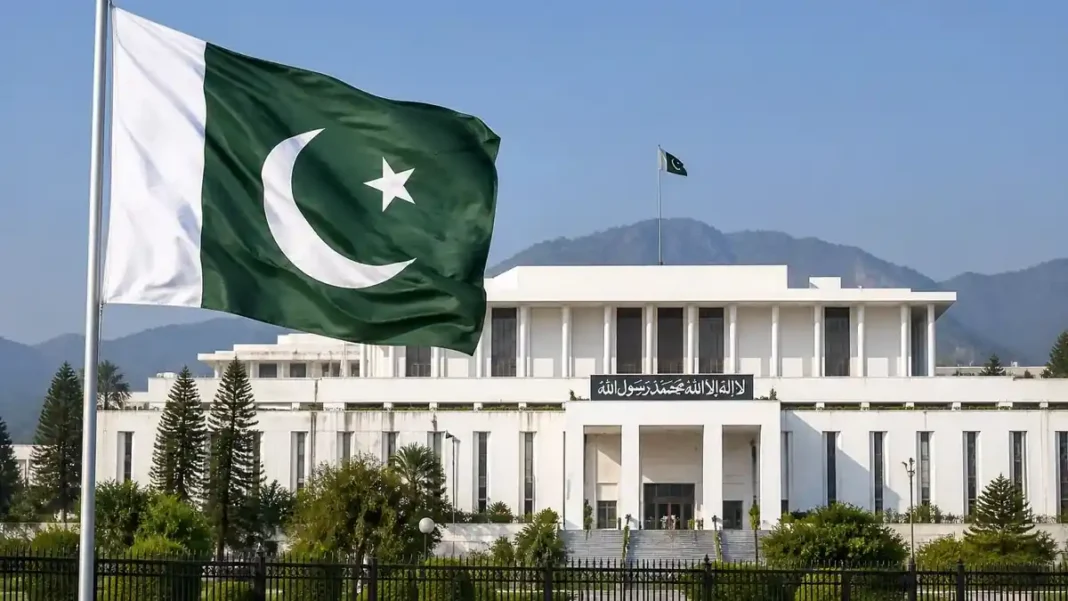
Think of it in three lines: the people vote → parliament sits → the prime minister governs. Pakistan’s parliament (Majlis-e-Shoora) has two houses — the National Assembly (336 members) elected directly by voters, and the Senate (96 members) elected by provincial assemblies to give every province an equal voice. The president (Asif Ali Zardari, since March 2024) is head of state but — since the 18th Amendment — holds mainly ceremonial powers. Real executive power sits with the prime minister and cabinet.
The main players
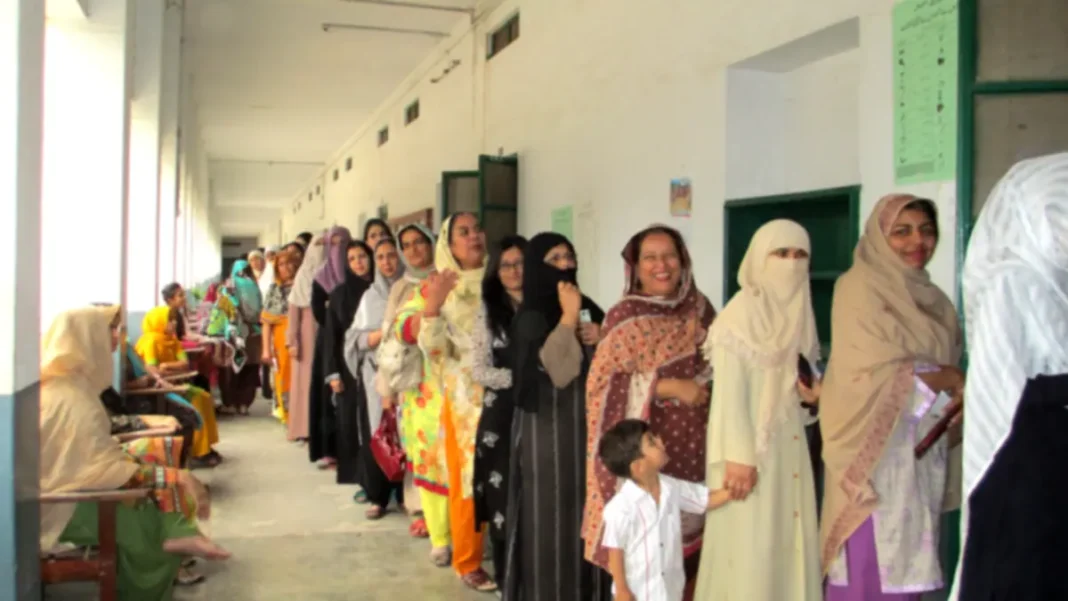
Voters: every citizen 18+ votes — one person, one vote. The ECP (Election Commission of Pakistan) runs the elections. Parties: the big three of recent decades are PML-N, PPP and PTI. The judiciary: an independent Supreme Court that has repeatedly decided election and constitutional disputes. The provinces: Punjab, Sindh, KP and Balochistan each have an elected assembly with real lawmaking power — devolved decisively by the 18th Amendment.
History in one minute
1947: independence. 1956: first constitution — scrapped in 1958 (Ayub’s martial law). 1971: Bangladesh created after the 1970 elections crisis. 1973: the current constitution. 1977–88: Zia’s military rule. 1988–99: democracy, but four governments dismissed. 1999–2008: Musharraf. 2008: democracy returns — and this time it stuck. 2010: 18th Amendment. 2013: the first-ever democratic transfer of power. 2022: a prime minister removed by no-confidence vote — constitutionally, not by coup. 2024: general elections, coalition government. For the full treatment, see Democracy in Pakistan: the complete guide and our full article.
Why it matters
Three milestones define modern Pakistani democracy: the 1973 Constitution (the rules of the game), the 18th Amendment (parliament supreme, provinces empowered), and 2013 (proof the game can change hands peacefully). Together they are why Pakistan’s democratic run since 2008 — 17+ years — is its longest ever.
FAQs
What type of democracy does Pakistan have?
A federal parliamentary democratic republic under the 1973 Constitution.
Who runs Pakistan — the president or prime minister?
The prime minister (Shehbaz Sharif since March 2024). The president (Asif Ali Zardari) is the ceremonial head of state.
How long has Pakistan been continuously democratic?
Since the 2008 general elections — 17+ years, the longest unbroken democratic period in the country’s history.