Effects of Inflation in Pakistan: Households, Wages & Business
Inflation isn’t an abstract number — it’s the atta sack that costs a third more, the electricity bill that doubled, the salary that buys less every month. This guide documents what 10%+ inflation (and the 38% peak) actually did to Pakistani households, workers and businesses.
Quick answer: Persistent inflation has crushed real wages (two years of 25%+ inflation in 2022–24), pushed food spending to the brink for the poorest (food inflation hit 48%+ in 2023), raised business costs via energy (+32.5% YoY) and borrowing (11.50% policy rate), and widened inequality — the rich hedge, the poor pay.
In this guide
Households: the kitchen budget
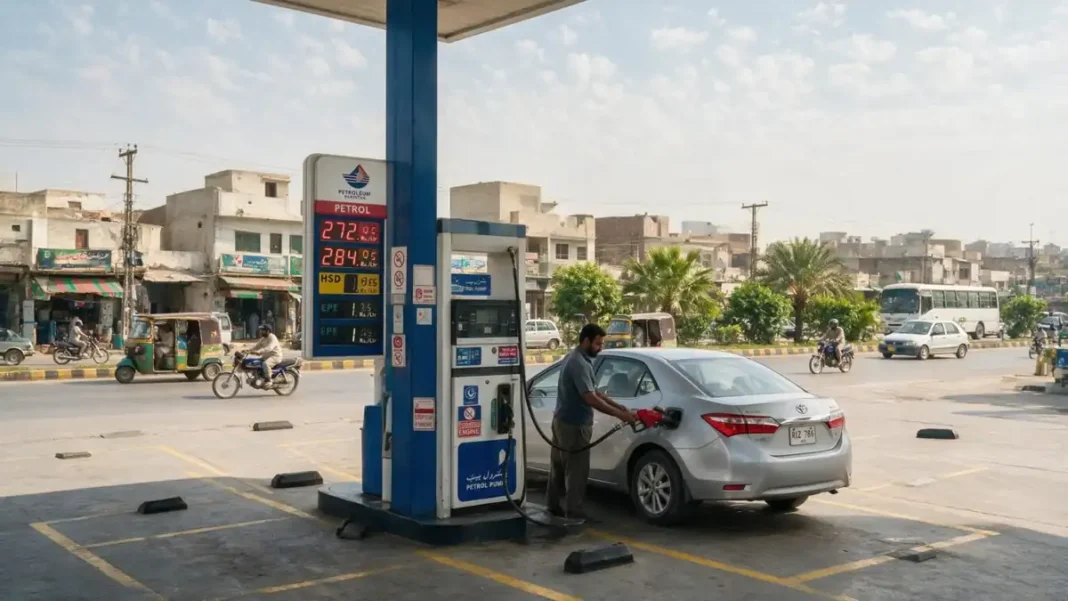
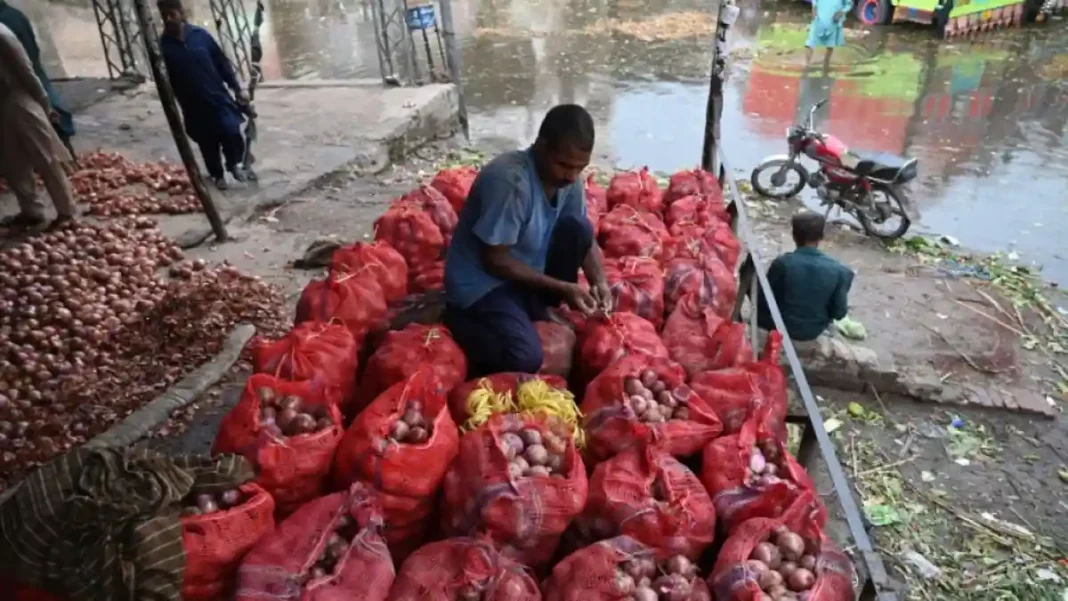
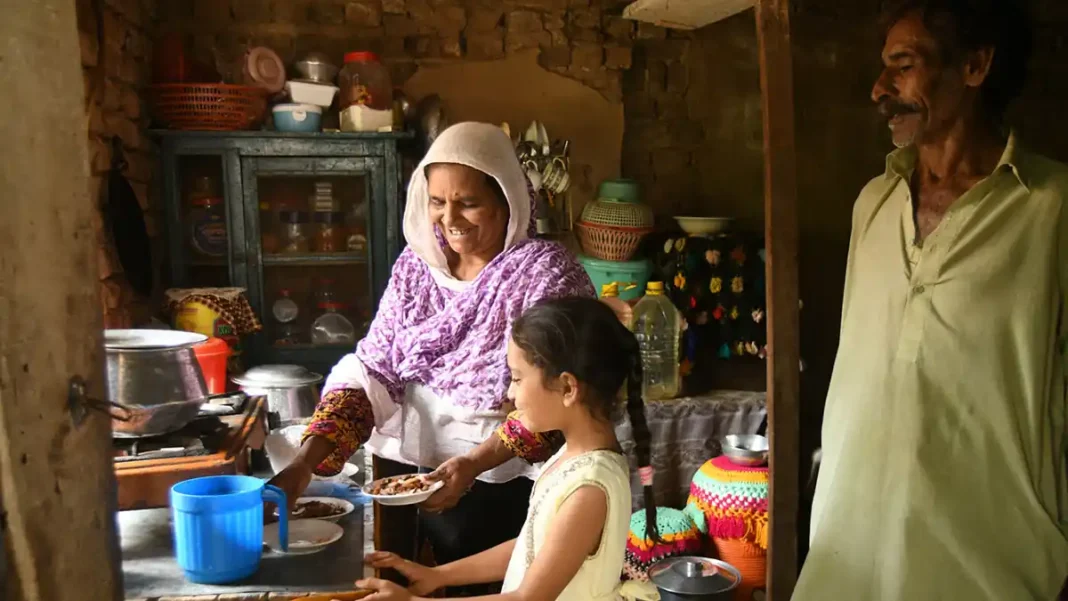
For a lower-middle-class family, the numbers are stark: wheat flour +32% YoY, onions +125%, electricity +32.5%, motor fuel +37.7% (PBS, Sep 2026). PBS’s own data shows the poorest quintile (Q1) faces 9.0% SPI inflation while the richest face 12% — but the poor spend most of their income on food, so the pain is concentrated. Coping strategies documented across surveys: smaller meals, switching to cheaper calories, cutting protein, delaying healthcare.
Wages & purchasing power
Nominal wages rarely kept pace: with cumulative inflation of roughly 60%+ across 2022–24, a salary unchanged since 2021 buys barely three-fifths of what it did. Even the 2024 disinflation didn’t restore purchasing power — it only slowed the erosion. Savers fared little better: bank deposit rates lagged inflation through the peak years, meaning negative real returns.
Business & investment
Firms face energy bills up a third, imported inputs repriced by the rupee, and borrowing at 11.50% (after 22% in 2023). Small manufacturers and traders — operating on thin margins — either pass costs on (feeding inflation) or absorb them (killing margins). Investment stalls when real returns are uncertain: the 2023–24 investment slump is part of why growth stayed anaemic even as inflation fell.
Who pays most
Inflation is regressive: the poor can’t hedge into property, dollars or stocks. They hold cash (which melts), spend most income on food and energy (the fastest-rising items), and have no bargaining power on wages. Every inflationary episode in Pakistan — 2023’s 38% most brutally — has widened this gap.
Related Guides
Effects: FAQs
How does inflation affect the common man in Pakistan?
It shrinks what a salary buys: food, electricity and fuel — the biggest household expenses — are the fastest-rising prices.
Does inflation hurt the poor more?
Yes. The poor spend most income on food and energy, hold savings in cash, and can’t hedge — inflation is regressive.
How does inflation affect businesses?
Through costlier energy, imported inputs and borrowing (11.50% policy rate), squeezing margins or forcing price hikes.
Has purchasing power recovered since 2024?
No — disinflation slowed the erosion but didn’t reverse it; real wages remain far below 2021 levels.