


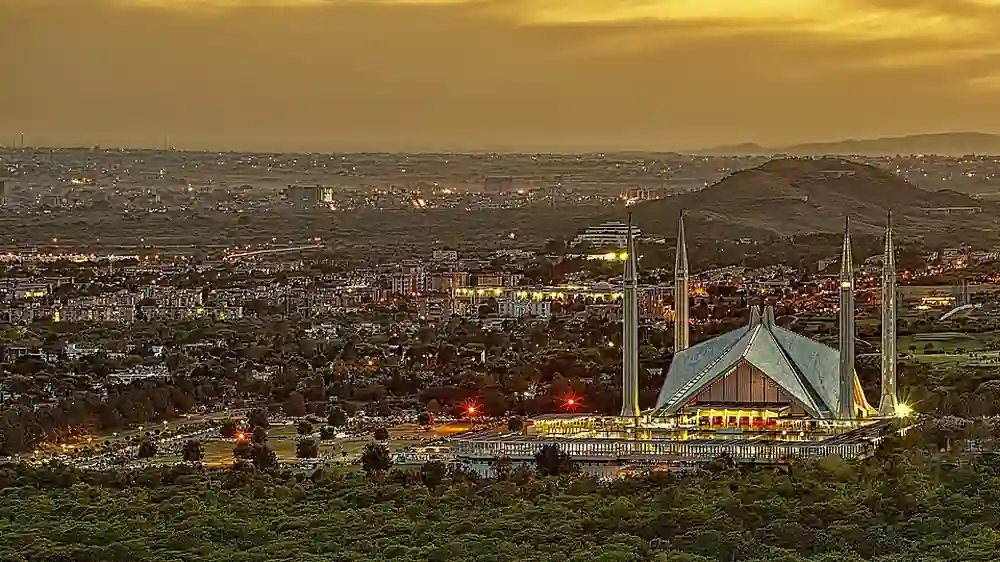
Lockdown news Pakistan: the direct answer first — there is no lockdown in Pakistan today (11 October 2026). The COVID lockdowns ended years ago; what exists now are targeted restrictions (Section 144 during protests, smog-related school closures in winter). This page is the standing reference: today’s status, the lockdown history, and how to verify any claim.
Quick answer: Is there a lockdown in Pakistan today? No — no city, province or national lockdown is in force as of 11 October 2026. The COVID-era lockdowns (March 2020 onwards) ended in 2022. Current restrictions are localised: Section 144 in Islamabad/Rawalpindi during the PTI long march, and seasonal smog measures in Lahore each winter.
In this guide
Today’s status: no lockdown
No lockdown anywhere in Pakistan. Markets, schools, offices, transport and mosques operate normally across all provinces. The National Command and Operation Centre (NCOC) — the body that managed COVID restrictions — was wound down in 2022. There is no national or provincial lockdown order in force, and none is under consideration.
If you received a forwarded message claiming a lockdown, treat it as a rumour until confirmed by the government or an established newsroom — lockdown hoaxes circulate regularly on WhatsApp. The today’s update page is checked daily.
The COVID lockdowns: a history
March 2020: the shutdown. Pakistan’s first COVID lockdown began in March 2020: Sindh moved first, then Punjab announced a province-wide lockdown on 23 March, with the rest following — markets shuttered, transport halted, schools closed, mosques restricted. The federal government under Imran Khan resisted a prolonged blanket lockdown on economic grounds and pivoted to “smart lockdowns” — sealing specific hotspots rather than whole cities — a policy the WHO publicly praised.
The NCOC, led by Asad Umar, coordinated the response: data-driven, military-assisted, and comparatively effective — Pakistan’s COVID outcomes were better than many feared. Restrictions eased through late 2020, returned in waves (notably spring 2021), and were fully lifted by 2022. The today-update page distinguishes that era from today’s measures.
Smart lockdowns explained
The policy Pakistan pioneered. A smart lockdown seals a street, neighbourhood or market — not a city. Contact tracing identified clusters; only those areas closed, for 14-day cycles. It kept the economy breathing while suppressing transmission, and became Pakistan’s signature pandemic policy — cited internationally as a developing-world model.
The concept outlived COVID: “smart” and “micro” restrictions are now the template for any future health emergency. But no smart lockdown is currently in force anywhere in Pakistan. For the winter smog measures (a different thing), see today’s lockdown update.
What restrictions exist now
Not lockdowns — but real restrictions. Section 144 (banning public gatherings) is currently in force in Islamabad and Rawalpindi during the PTI long march, with container barricades at Faizabad, D-Chowk and motorway approaches — disruptive, but not a lockdown. Each winter, Lahore faces smog emergency measures: school closures, restricted brick kilns and traffic curbs when air quality turns hazardous.
Mobile internet suspensions during protests are another periodic restriction. None of these is a lockdown — but they are the reason “lockdown” searches spike. The pillar guide tracks each type.
Is there a lockdown in Pakistan today?
No. As of 11 October 2026, no lockdown — national, provincial or city-level — is in force in Pakistan. Life operates normally.
When was the last lockdown in Pakistan?
The COVID lockdowns of 2020–2021, managed through the NCOC with the ‘smart lockdown’ policy. All restrictions were lifted by 2022.
What is a smart lockdown?
Pakistan’s 2020 policy of sealing specific COVID hotspots (streets/neighbourhoods) rather than whole cities — praised by the WHO as a model for developing countries.
: no lockdown in force. COVID lockdown history, smart lockdowns, Section 144 and smog closures explained.)