Inflation History Pakistan: 2018–2026 Timeline of Peaks & Crashes
Pakistan’s inflation history is a rollercoaster: single digits, then the climb to 38%, the crash back down, and the 2026 energy shock. This timeline puts every phase in context — and draws the lessons.
Quick answer: Pakistan’s inflation since 2018: single digits (2018–21) → climb to 38% (May 2023, record) → disinflation to single digits (late 2024) → calm 2025 → energy shock back to 10.3% (Sep 2026). The pattern: external shocks + rupee slides = inflation; tight money + stable rupee = relief.
In this guide
2018–2021: the calm before
Inflation mostly stayed in single digits through 2018–21, with the IMF’s 2019 programme bringing the usual administered-price adjustments. COVID-19 (2020) briefly scrambled supply chains, but global stimulus and low oil kept a lid on prices. The rupee’s managed depreciation added gentle pressure — nothing like what was coming.
2022–2023: the climb to 38%
The storm gathered in 2022: the Ukraine war spiked global food and fuel, the rupee began its slide, and political turmoil (the April 2022 no-confidence vote, then the May 2023 unrest) paralysed policy. IMF-mandated subsidy removals and tariff hikes added fuel. CPI marched: 13.8% (May 2022) → 36.4% (Apr 2023) → 38% (May 2023) — the highest since 1965, FY23 averaging 29.2%. Full story: 2023’s peak.
2024: the great disinflation
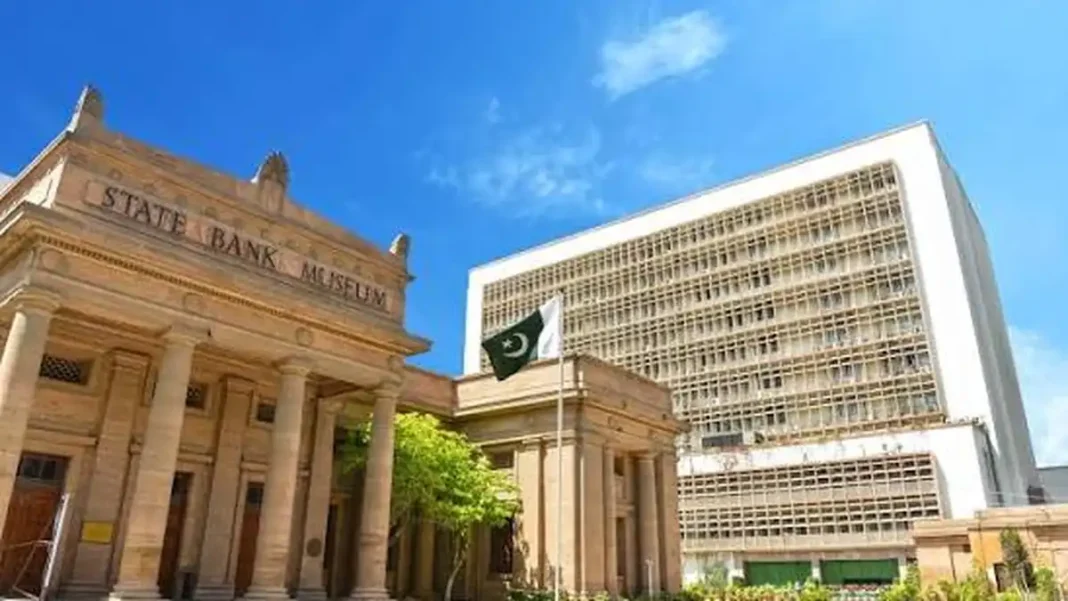
Base effects, a stabilised rupee, the SBP’s 22% policy rate and softer global commodities dragged CPI from ~30% to single digits by late 2024 — among the fastest disinflations on record. But cumulative 2022–24 inflation of ~60%+ meant real wages stayed crushed. Full story: 2024 in review.
2025–2026: calm, then shock
2025’s single-digit calm ended on 28 February 2026: the US–Iran war shut the Strait of Hormuz, petrol spiked to Rs 458.41 (3 Apr 2026), and CPI re-entered double digits — 10.3% by September 2026, with wholesale inflation at 13.3% warning of more. Full story: 2025–26.
Lessons
- Energy dependence is destiny: every inflationary episode starts with fuel or power.
- The rupee is the amplifier: depreciation turns global shocks into local crises.
- Disinflation isn’t recovery: falling rates don’t restore lost purchasing power.
- Credibility matters: the SBP’s willingness to hold 22% broke expectations — and broke the back of 38%.
Related Guides
History: FAQs
What is the history of inflation in Pakistan?
Single digits (2018–21), record 38% (May 2023), disinflation to single digits (late 2024), calm 2025, energy shock to 10.3% (Sep 2026).
When was inflation highest in Pakistan?
May 2023: 38% year-on-year, the highest since 1965.
Has Pakistan ever had deflation?
Not in the modern CPI era — but disinflation (falling inflation rates) in 2024–25 was the closest, with some months near zero.
What causes Pakistan’s inflation cycles?
Energy shocks, rupee depreciation, and IMF stabilisation programmes — the same trio drives every cycle.