Culture of Pakistan Assignment: Structured Notes You Can Submit
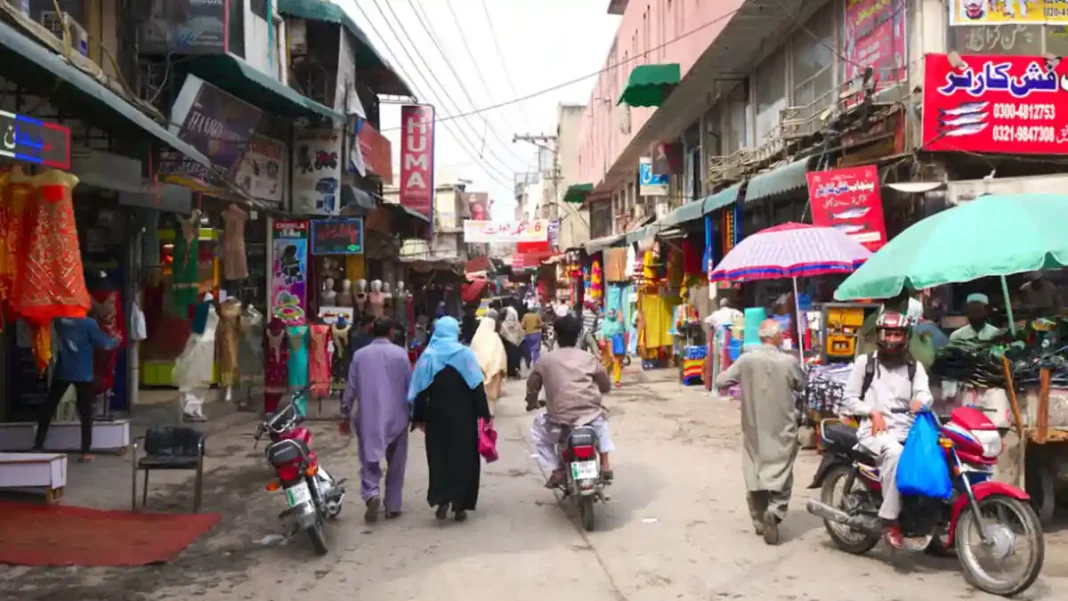
Need an assignment on the culture of Pakistan? Below is a complete, classroom-ready structure — introduction, body sections with the key points, and a conclusion — that you can adapt in your own words. (Always rewrite in your own language; teachers check for copying.) For the full reference behind these notes, see Pakistani culture and the regional cultures guide.
Quick answer: A strong “culture of Pakistan” assignment covers: introduction (Islamic + regional blend), regional cultures (Punjabi, Sindhi, Pashtun, Balochi, others), common characteristics (hospitality, family, faith), arts and festivals, challenges (cultural erosion, media influence), and a conclusion on unity in diversity.
In this guide
Suggested outline
- Introduction: define culture; Pakistan’s culture as a blend of Islamic values and regional traditions; thesis: “unity in diversity.”
- Regional cultures: one paragraph each on Punjabi, Sindhi, Pashtun, Balochi (plus Saraiki/Kashmiri/GB if length allows) — language, dress, food, festivals.
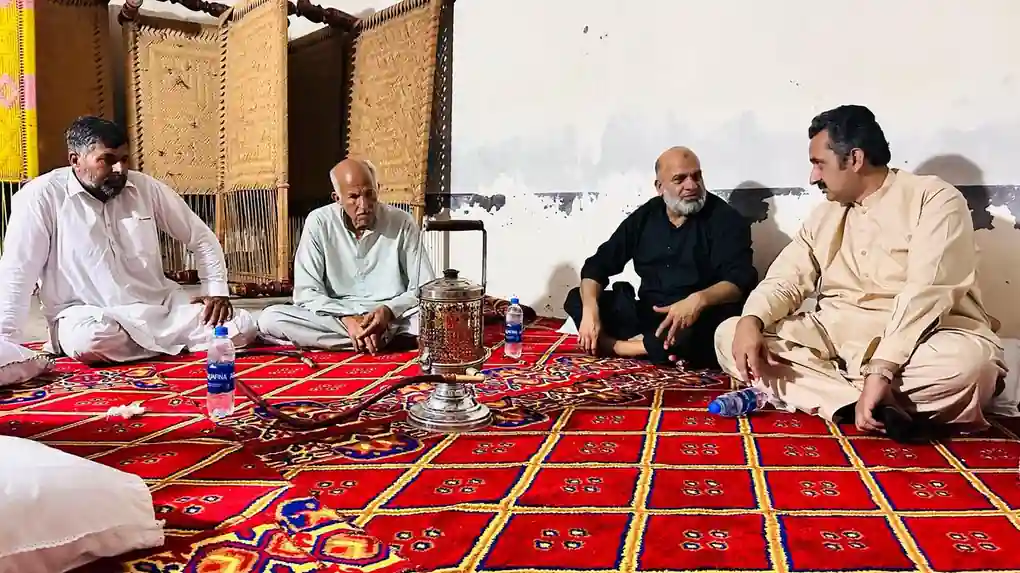
- Common characteristics: hospitality, joint family, respect for elders, Islamic festivals, community life.
- Arts and heritage: qawwali and folk music, truck art, crafts, Mughal and Indus Valley heritage sites.
- Challenges: Western media influence, commercialisation of festivals, neglect of regional languages.
- Conclusion: culture as national identity; preserving diversity while strengthening unity.
Sample introduction paragraph (adapt freely)
“Culture is the soul of a nation, and Pakistan’s soul is woven from many threads. Born in 1947 as a homeland for the Muslims of the subcontinent, Pakistan inherited the Indus Valley’s ancient civilisation, the Mughals’ artistic grandeur, and Islam’s spiritual framework. Its culture today is a living blend: the Punjabi dhol and the Balochi flute, the Sindhi ajrak and the Pashtun turban, united by shared faith, hospitality and family values. This assignment explores the regional cultures of Pakistan and the common characteristics that bind them into one national culture.”
Key points to include (with facts)
- Pakistan has 70+ languages; Urdu is the national language, English the official language.
- Major regional cultures: Punjabi, Sindhi, Pashtun, Balochi, Saraiki, Kashmiri, plus GB’s mountain communities and the Kalash.
- National dress: shalwar kameez; national game: field hockey; national language: Urdu.
- Signature festivals: Eid ul-Fitr, Eid ul-Adha, Basant, Shandur Polo Festival.
- Heritage sites: Mohenjo-daro, Taxila, Lahore Fort, Rohtas Fort (UNESCO-listed).
- Core values: hospitality, honour, family bonds, respect for elders, charity.
Sample conclusion paragraph (adapt freely)
“In conclusion, the culture of Pakistan is distinguished by its remarkable diversity held together by common Islamic values and shared traditions of hospitality and family. From the Indus Valley to the Karakoram, each region contributes its own colour to the national mosaic. In an age of globalisation, preserving this heritage — languages, crafts, music and festivals — is not nostalgia but national duty, for a nation that forgets its culture forgets itself.”
Frequently asked questions
How do I start an assignment on Pakistani culture?
Open with a definition of culture and a thesis — e.g., Pakistan’s culture as “unity in diversity” — then move region by region (Punjabi, Sindhi, Pashtun, Balochi), then common traits, arts, challenges, and conclusion.
What are the main headings for a culture of Pakistan assignment?
Introduction; regional cultures; common characteristics (hospitality, family, faith); arts, music and festivals; challenges to culture; conclusion.
How long should the assignment be?
For school level, 800–1,200 words with 5–6 headings works well. For college, 1,500–2,000 words with sub-headings per region and a bibliography citing the National Assembly’s cultural sources or textbooks.